DRC War Crisis: Militias Built a Shadow Gold Empire Behind M23 Conflict
Meta Description:
The armed escalation tearing through the eastern and southeastern territories of the Democratic Republic of Congo has evolved into a lucrative illicit industry that stretches far beyond territorial battles. Behind patriotic frontline rhetoric, local armed groups and opportunistic factions are leveraging the broader conflict against the Rwandan-backed M23 rebels to construct a sprawling shadow economy. By tapping into abandoned military stockpiles, seizing strategic mining perimeters, running illegal toll networks, and orchestrating targeted kidnappings for ransom, these groups have transformed civil conflict into a highly organized, billion-dollar extortion machine.
Illicit Empires Thrive Under Patriotic Guises
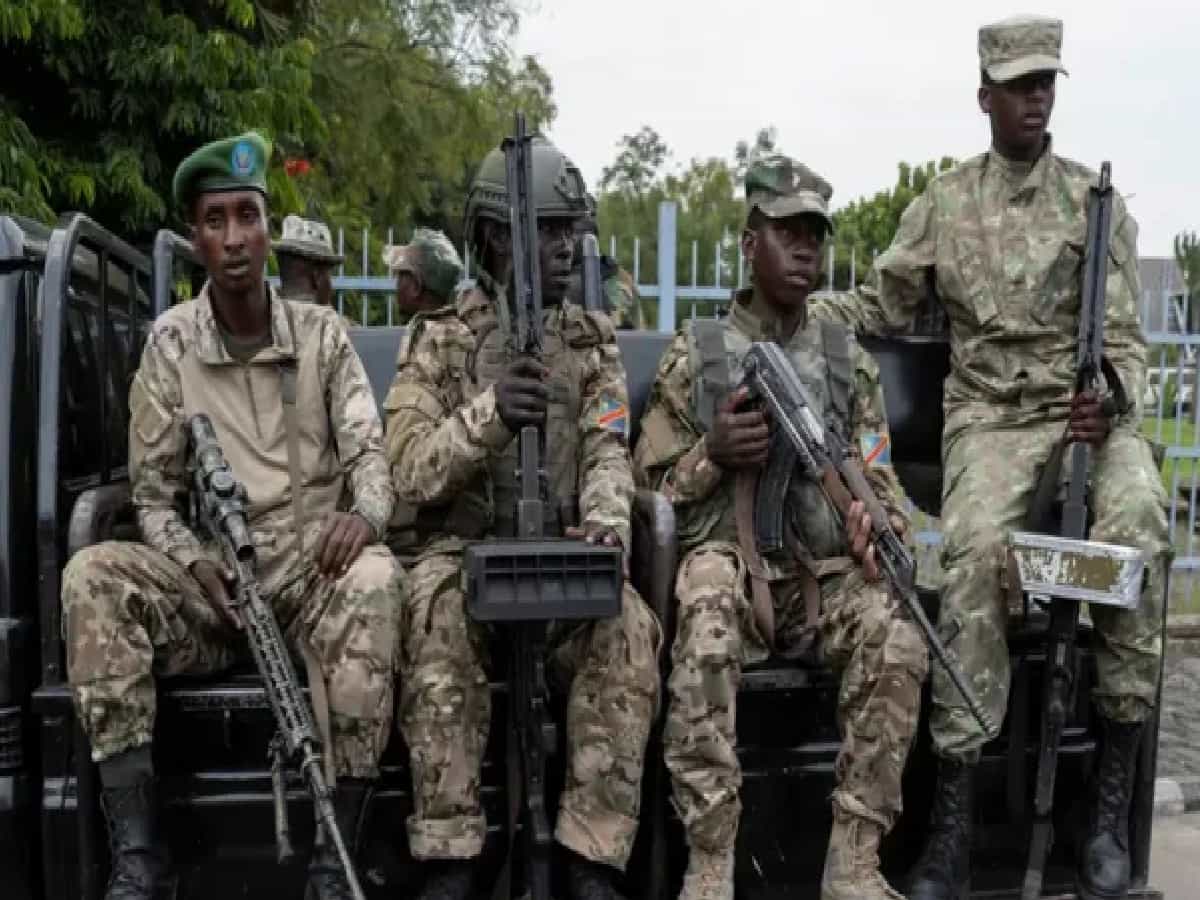
The settlement of Mwala in southeastern Tanganyika Province, situated barely twenty kilometers from the provincial capital Kalemie, offers a stark view of this operational shift. Following the tactical retreat of Congolese state forces amidst M23-linked volatility, retreating troops left behind vast caches of heavy munitions, uniforms, and assault weapons across transit routes. Armed local units quickly seized the materiel and declared themselves Wazalendo, or patriotic defenders. Yet instead of shielding vulnerable populations, around a hundred heavily armed militants stationed in Mwala now run an extortion racket, demanding recurring protection payments of $100 to $150 each month from a Chinese-run gold extraction site, turning local communities into hostage hubs rather than liberated zones.
Modern Arsenals Replace Primitive Tools Across Tanganyika
The military evolution of regional fighters presents an urgent security threat to Central Africa. Rural factions that relied on rudimentary bows, arrows, and hunting axes just a few seasons ago now operate Cold War-era heavy machine guns, automatic assault rifles, and shoulder-fired rocket launchers acquired through looted armories and state military vacuums. This rapid militarization has undone millions of dollars in international disarmament investments, reversing hard-won reconciliation between the Pygmy and Bantu communities that endured catastrophic ethnic violence between 2013 and 2019. The resurgence of well-armed rogue units has re-militarized the province, rendering fragile regional peace accords largely obsolete.
Strategic Mines, Highway Tolls, and Kidnapping Rackets
The Democratic Republic of Congo’s vast mineral endowment, featuring massive reserves of gold and clean-energy minerals like lithium, has drawn foreign mining enterprises and international engineers straight into the path of these parallel regimes. Militias operating along resource corridors extort up to $1,500 every month in unlawful transit levies from logistics convoys, mineral traders, and processing firms. Beyond resource levies, armed outfits regularly execute high-stakes kidnappings of foreign workers and Chinese mine operators to demand massive cash ransoms. Territorial command in eastern Congo has thus become synonymous with controlling mineral supply routes and siphoning private capital rather than establishing legitimate civic authority.
Global Supply Chain Threats and Institutional Paralysis
The entrenchment of illicit armed groups casts a long shadow over the future of clean-energy supply chains, particularly in Tanganyika Province where massive lithium deposits are poised to drive global electric vehicle manufacturing over the coming decade. Sustained militia control, nightly gunfights around Kalemie, and rampant military desertion deter essential foreign direct investment, stalling economic modernization. Regional analysts and civil society leaders caution that even if active hostilities against M23 conclude, the entrenched commercial rackets, parallel tax regimes, and thousands of untracked assault weapons will sustain a persistent economic time bomb for years to come.