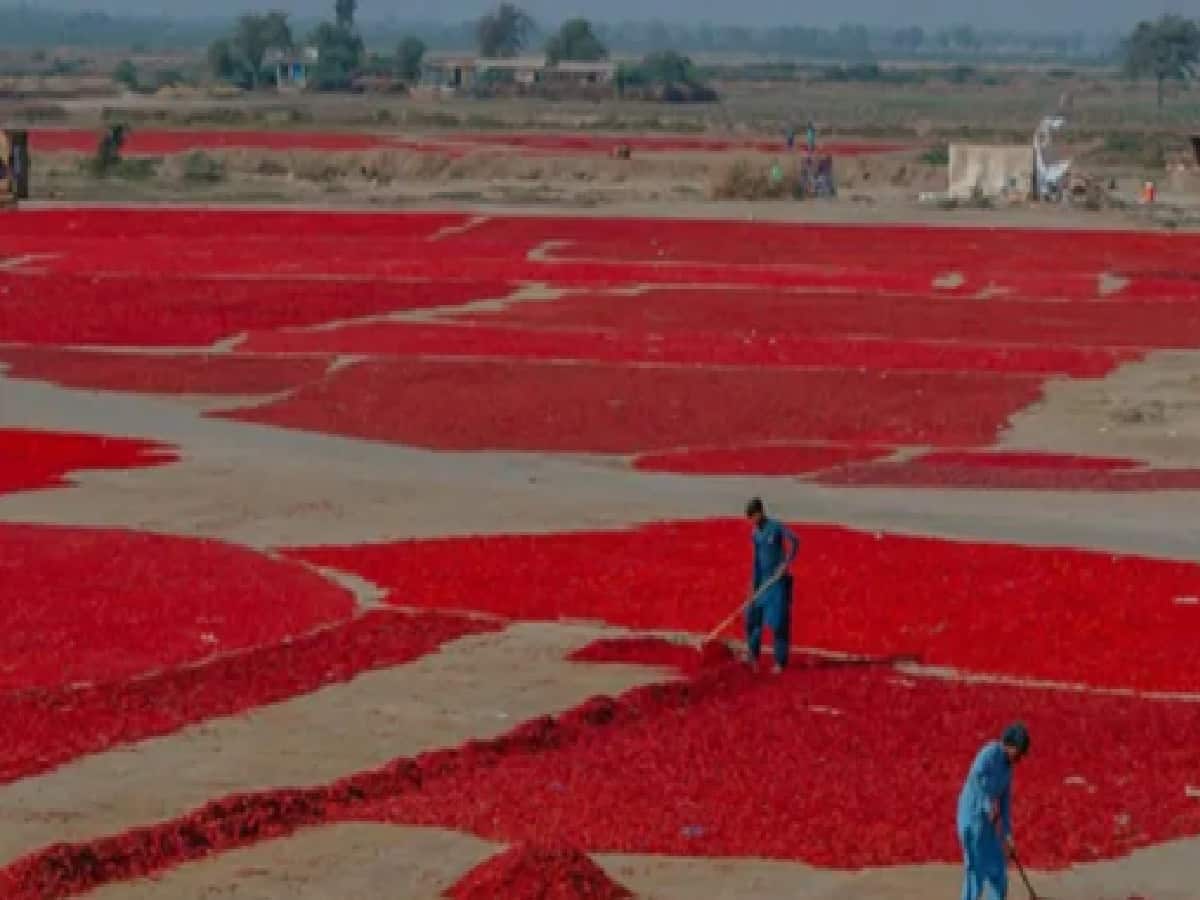
Climate Crisis in Pakistan's Red Chili Capital: Kunri Farmers Face Livelihood Collapse Amid Extreme Heat and Floods
Pakistan's agricultural sector is grappling with an unprecedented ecological emergency as extreme weather patterns threaten the iconic red chili harvest. Located in the Sindh province, the town of Kunri—hailed nationwide as Pakistan's "red chili capital"—is currently witnessing a severe livelihood crisis for generations of farming families. Driven by a volatile combination of scorching heatwaves, unseasonal droughts, devastating floods, and skyrocketing input costs, the traditional farming ecosystem that has sustained local economies for decades is now standing on the brink of collapse.
The Toll of Climate Vulnerability on Kunri’s Red Chili Fields
Agriculture accounts for roughly a quarter of Pakistan's total land area, yet the nation of over 250 million people remains exceptionally vulnerable to the catastrophic impacts of global climate change. In Kunri, once-vibrant fields are increasingly plagued by scorched crops, parched soil, and barren gaps where healthy chili plants once thrived. Farmers report anxiously scanning the skies for monsoon rains to rescue heat-stressed crops, only to be met with prolonged dry spells. These compounding environmental pressures have drastically lowered crop yields, threatening Pakistan’s prominent status as a leading global producer of red chilies.
Traditional Processing Losses and the Urgent Need for Modernization
Beyond erratic weather events, local agricultural practices face severe post-harvest hurdles. Farmers in Kunri have historically relied on open-air sun drying methods, filling marketplace air with pungent dust that stings the eyes and throat. However, municipal and agricultural officials estimate that up to one-third of the chili crop is routinely lost or degraded during open drying and processing stages. With traditional methods proving inadequate against modern climatic volatility, local growers are increasingly demanding modern facilities, controlled-environment drying technology, and resilient crop varieties to safeguard their future.
Lingering Devastation from Historic Floods and Rising Production Costs
The current crisis is further exacerbated by the lingering scars of past climate disasters, most notably the catastrophic 2022 floods that submerged and destroyed approximately 4.5 million acres of agricultural land across Pakistan. Farmers across Sindh and the neighboring granary province of Punjab note that they are still struggling to recover from the financial ruin caused by those historic inundations. Coupled with soaring prices for fertilizers, seeds, and water management, chili cultivators find themselves trapped in a vicious cycle of debt and uncertainty, calling for urgent government intervention and sustainable climate adaptation policies.