







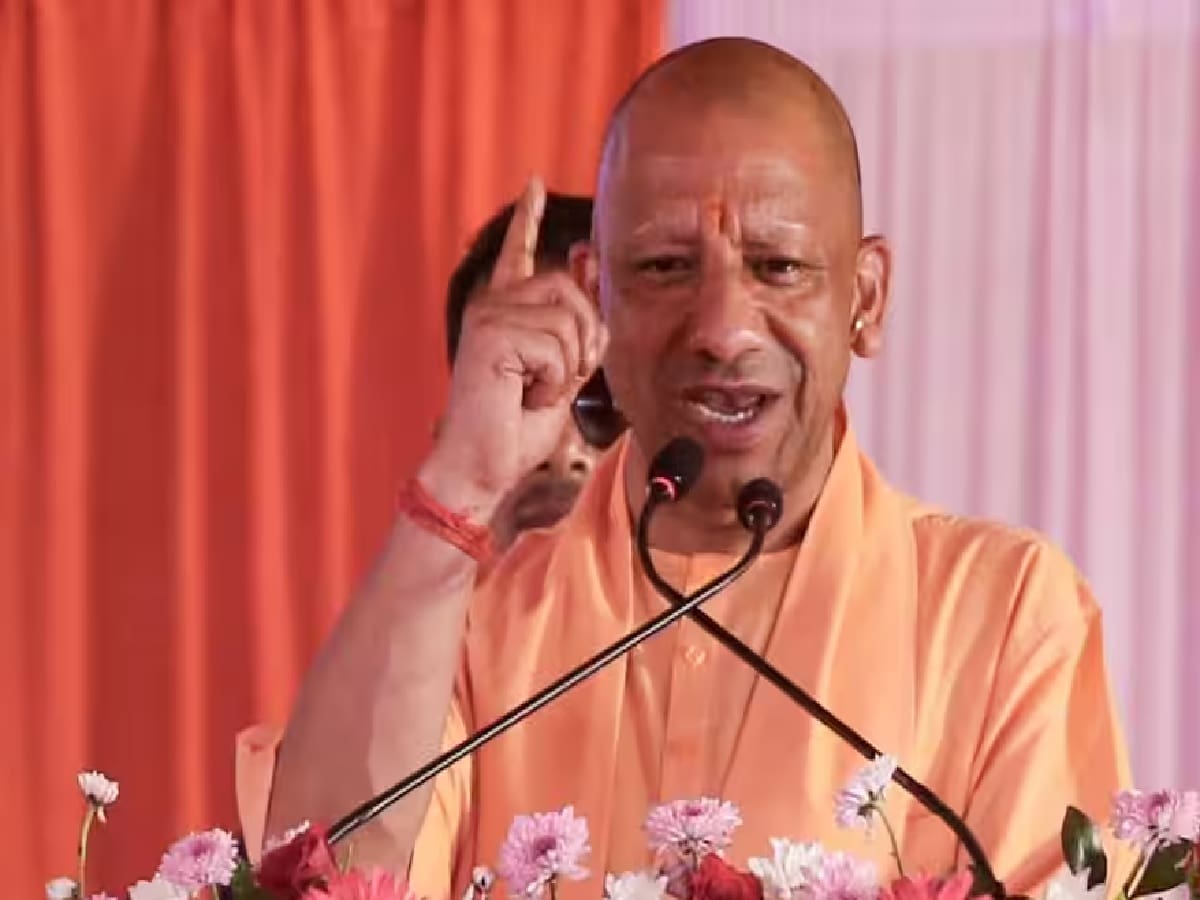
This is True Ram Rajya': CM Yogi Slams Past Regimes in Pilibhit Speech
Addressing a large gathering of devotees on the concluding day of a nine-day Ram Katha at the historic Neuran Pur Shankar Temple in the Bilsanda area of Pilibhit, Uttar Pradesh Chief Minister Yogi Adityanath declared that the state has decisively moved past the dark chapters of administrative crackdowns, curfews, and communal unrest into an era of authentic "Ram Rajya." Offering ceremonial prayers at the sanctum before addressing the congregation, the Chief Minister underscored that the profound transformations visible across Ayodhya, the Kashi Vishwanath corridor in Varanasi, and the revitalization of Mathura demonstrate a comprehensive development model where civilizational faith is backed by world-class public infrastructure. Highlighting that administrative priorities have shifted completely from confrontation to public service, Adityanath asserted that while previous governments under the Samajwadi Party and allied dispensations subjected devotees to bullets and systemic neglect, the current governance model ensures security, dignity, and modern connectivity for millions of pilgrims visiting sacred destinations across Uttar Pradesh.
From the 1990 Police Firing to Modern Aviation: The Rebirth of Ram Nagari
Drawing a sharp historical contrast, Chief Minister Adityanath pointed out the significance of the calendar date, reminding the public that on November 2, 1990, the state administration ordered police to open fire on unarmed Ram devotees (kar sevaks) in Ayodhya, resulting in widespread loss of life and an oppressive ban on chanting "Jai Shri Ram." He recalled that during previous regimes, Ayodhya was deliberately deprived of basic civic amenities, left with pothole-ridden roads, narrow alleys, filth, and an outdated single-line railway track that barred ordinary citizens from accessing their sacred heritage. Highlighting the symbolic irony that Lord Ram originally returned to Ayodhya from Lanka aboard the celestial Pushpak Viman yet independent India failed to provide the city with basic aviation connectivity for decades, the Chief Minister stated that modern Ayodhya is now served by the state-of-the-art Maharishi Valmiki International Airport, broad four-lane expressways, and upgraded railway junctions, ensuring that visiting pilgrims travel with maximum comfort and respect.
100,000 Daily Pilgrims and the 2027 Blueprint: Merging Faith With Civic Governance
The Chief Minister highlighted the unprecedented surge in pilgrimage tourism, noting that official administrative reviews for the upcoming Ayodhya Deepotsav revealed that over 100,000 devotees now visit the grand Shri Ram Janmabhoomi temple every single day, with footfalls swelling into several hundreds of thousands—and up to millions—during peak festive windows. Reaffirming that the protection and facilitation of citizens remains the core duty of a responsible state, Adityanath explained that temple corridors, highway networks, and rural welfare distribution are functioning in unison to guarantee that development reaches every citizen without discrimination. Political observers noted that by combining religious pride with decisive critiques of previous Samajwadi Party regimes, the Chief Minister's address in Pilibhit clearly signaled the ruling administration's operational blueprint and narrative focus ahead of the 2027 Uttar Pradesh Assembly elections.




