







CM Yogi Hails Ayodhya Deepotsav as Blueprint for Harmonious Society
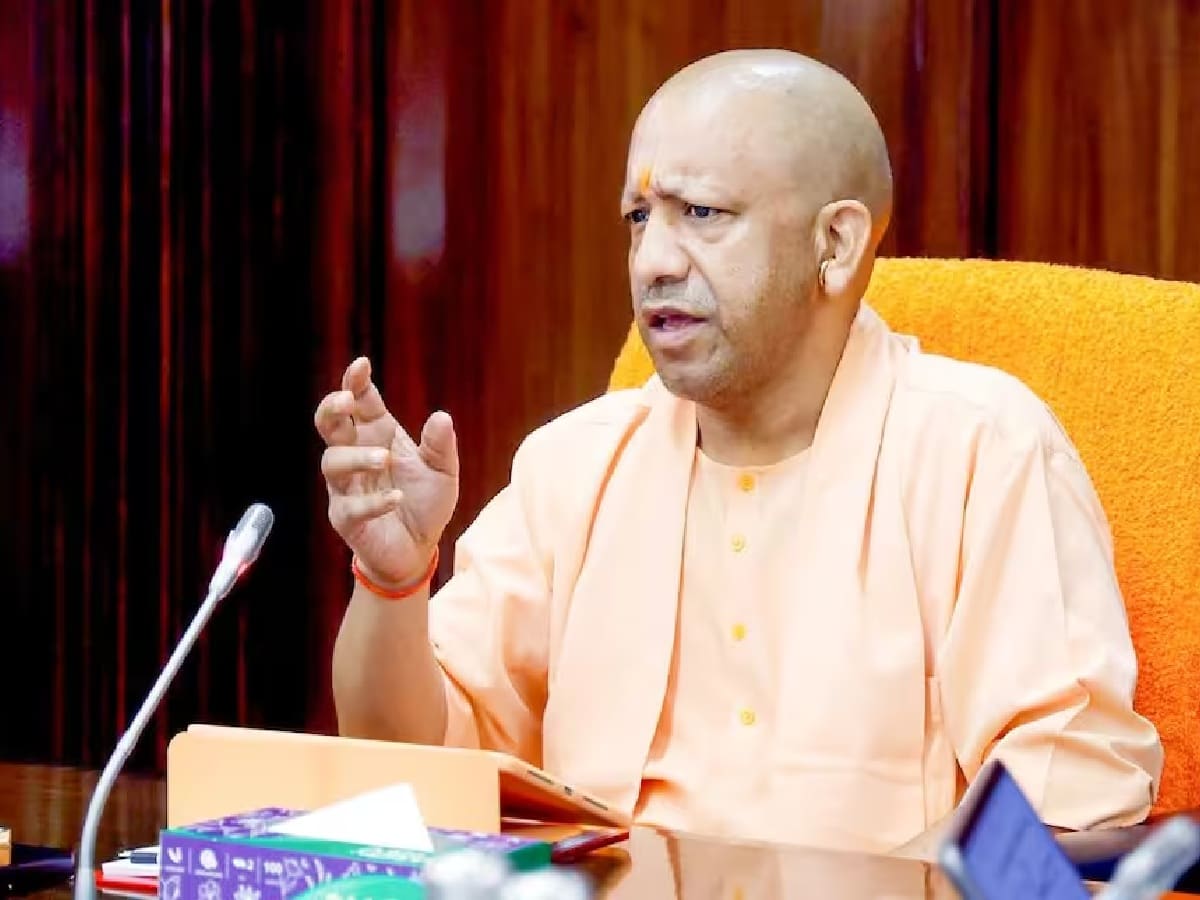
Delivering an inspiring message on social cohesion ahead of the grand festival of lights in Ayodhya, Uttar Pradesh Chief Minister Yogi Adityanath asserted that caste rigidity historically fragmented Indian society, whereas shared civilizational faith and cultural identity possess the intrinsic power to bind communities together. In a reflective statement posted on the social media platform X, the Chief Minister held up the annual Ayodhya Deepotsav as a living, working manifestation of this social harmony. He observed that the grand illumination of Ram Nagari is not merely a ceremonial spectacle, but an intentional celebration of collective consciousness where artificial social boundaries dissolve in the glow of millions of earthen lamps.
Redefining Ram Nagari: How Deepotsav Replaced Caste Politics Post-2017
Taking aim at the political paradigms of previous administrations, Chief Minister Adityanath noted that prior to 2017, successive state governments prioritized caste arithmetic over cultural preservation, routinely exploiting societal divisions for narrow electoral gains. He emphasized that past dispensations entirely disregarded the unifying potential embedded within India's heritage. The advent of the double-engine government in 2017 marked a decisive ideological turning point, formalizing the celebration of Deepotsav to reclaim the sacred civilizational footprint of Ram Nagari and convert it into a people's festival (Janotsav). By anchoring governance to cultural rejuvenation and inclusive public participation, the administration dismantled decades of administrative inertia, elevating Ayodhya into a global symbol of shared cultural pride.
From Potters to Sanitation Workers: Participation Over Ancestry Defines the Flame
The Chief Minister highlighted that under the spiritual guidance of revered saints and Prime Minister Narendra Modi, Deepotsav operates on absolute social equality and shared civic duty. Across the riverfront ghats of the Saryu, local potters (kumhars) who craft the earthen lamps work in seamless synergy with university students, spiritual heads, business leaders, and municipal sanitation staff who maintain the grounds. Adityanath stressed that identity during this grand festival is measured solely by selfless contribution rather than caste or background. Concluding with a powerful metaphor on communal unity, he stated that while millions of lamps are held and lit by countless distinct hands, their unified radiance merges into a singular, indivisible illumination—embodying the foundational ideal of a harmonious and egalitarian society (Samaras Samaj).




