China Hides True Scale of Tibet-Nepal Border Flood Devastation From Its Own Citizens
A catastrophic flood originating along the Nepal-Tibet border has left a trail of immense destruction, yet the true scale of the disaster remains heavily concealed from the Chinese public. While shocking CCTV footage capturing the raging torrents sweeping through Gyirong Port—one of the primary trade crossings between Nepal and Tibet—has circulated widely across international screens, China's tightly censored domestic media and internet have kept citizens largely in the dark regarding the true extent of the devastation and loss of life.
Severe Devastation at Gyirong Port and Border Crossings
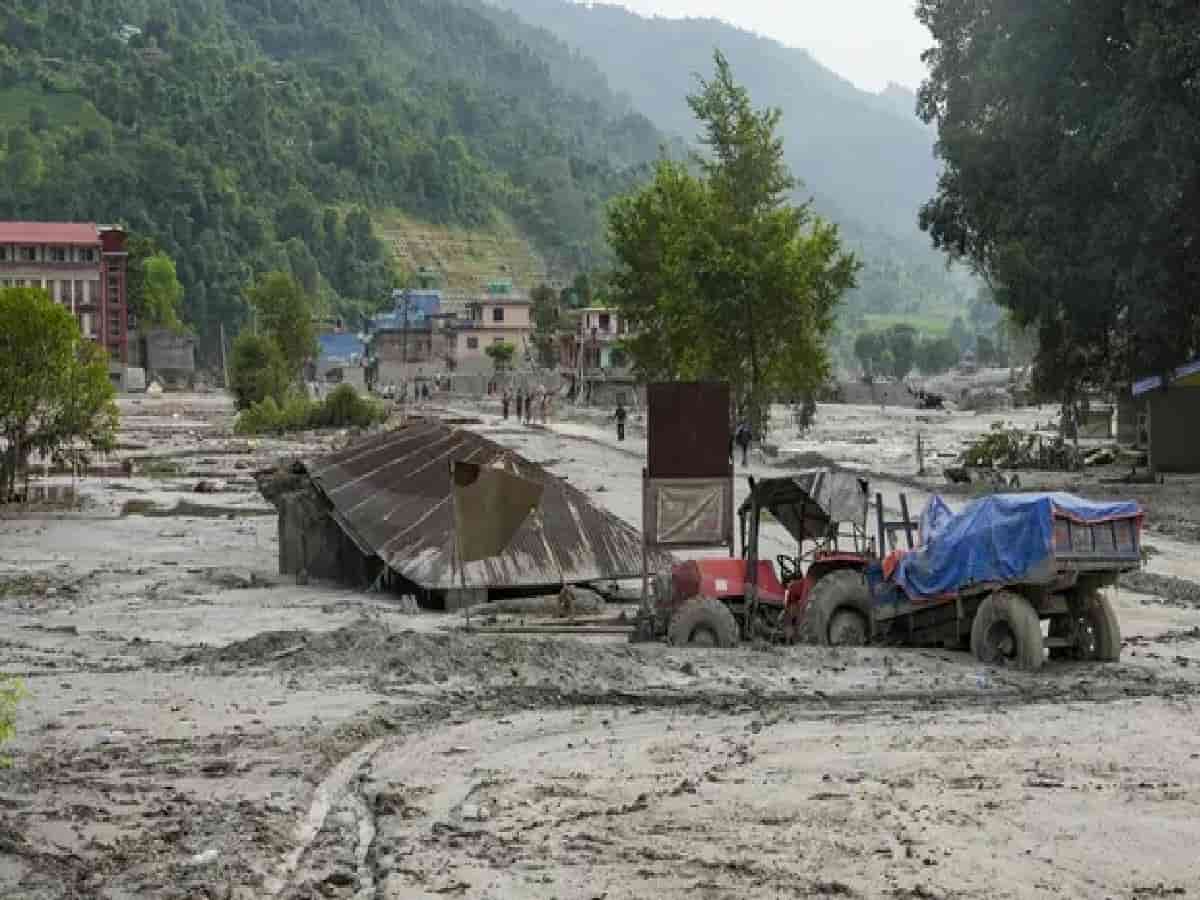
The violent flash floods tore through the mountainous terrain near Gyirong Port, obliterating infrastructure, sweeping away vehicles and structures, and forcing hundreds of residents and workers to flee desperately for their lives. International reports indicate that a significant number of people have lost their lives, with many more remaining missing.
Despite the severity of the crisis, Chinese state media has broadcast only sparse images and limited footage focused strictly on official rescue operations. Independent eyewitness accounts, personal stories of survivors, and details regarding missing victims are virtually absent from domestic digital spaces due to rigorous internet censorship.
Government Response and Emergency Measures
In response to the unfolding disaster, top Chinese leadership mobilized state machinery. President Xi Jinping convened an emergency high-level meeting with officials, and the Prime Minister was dispatched to the region to evaluate the damage. Hundreds of emergency relief workers, soldiers, and local Communist Party cadres have been deployed to clear debris, search turbulent rivers, maintain social order, and provide state-managed support to affected populations.
However, human rights groups and independent observers point out that media and travel restrictions in Tibet severely hamper transparent reporting. Because foreign journalists require strict government permits to travel freely in the sensitive region, verifying independent casualty figures and gathering accounts from local Tibetans remains exceptionally difficult. Observers note that locals sharing unapproved details online often face severe political repercussions, ensuring that the human cost of the disaster stays hidden behind a wall of state control.