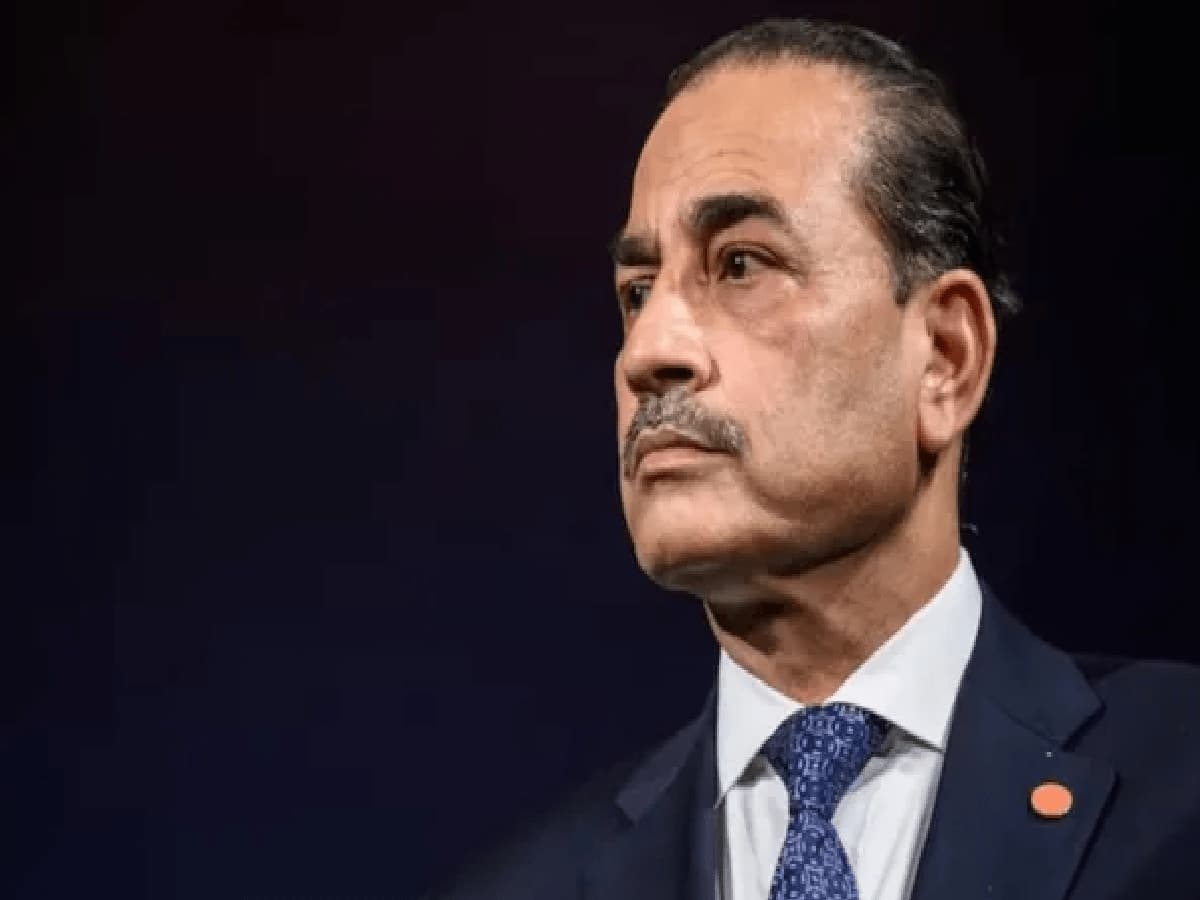
Army Chief General Asim Munir Plots to Divide Country into 12-15 Smaller States to Consolidate
While Pakistan continues to maintain a civilian facade through its elected President and Prime Minister, the absolute concentration of power rests firmly within military headquarters. According to a striking recent exposé by the British magazine The Economist, Pakistan's de facto dictator and Army Chief, General Asim Munir, is hatching a controversial plan to completely redraw the nation's map for the first time since its independence in 1947 by breaking up its four core provinces into 12 to 15 smaller administrative regions.
The Anatomy of Munir's Proposed Division
Since its creation, Pakistan has operated across four major provinces: Punjab, Sindh, Khyber Pakhtunkhwa, and Balochistan.
-
The Stated Justification: General Munir has publicly argued that these existing provinces—particularly Punjab, which houses nearly half of Pakistan's total population—are too massive to govern efficiently, contributing to severe economic stagnation, runaway inflation, and sluggish national growth.
-
The Underlying Strategy: However, political analysts and regional experts point out that this administrative restructuring is essentially a classic "divide and rule" maneuver disguised as governance reform, engineered primarily to dismantle alternative centers of political resistance.
Targeting the Powerhouses: Punjab and Sindh
The core objective of the military's restructuring blueprint focuses squarely on Pakistan's politically dominant powerbases:
-
Weakening Traditional Strongholds: Punjab and Sindh have historically been dominated by the country's oldest political parties, the PML(N) and the PPP. Even during past military dictatorships, these regions successfully maintained themselves as independent hubs of political opposition.
-
Subjugating Regional Power: By fracturing these two large provinces into smaller, fractured states, the military leadership aims to neutralize regional political leverage, forcing civilian politicians and political parties into complete submission under army command.
The Real Root of Pakistan's Plight
While General Munir points to administrative inefficiency to justify his sweeping reforms, international observers emphasize that the Pakistani military itself remains the primary architect of the nation's ongoing economic and institutional collapse.
-
The Military's Economic Footprint: The armed forces consume a massive share of national tax revenues, control highly valuable real estate, and operate extensive commercial enterprises that dwarf private sector competition. Furthermore, maintaining perpetual geopolitical tensions with India ensures the uninterrupted survival of the military's bloated defense budget.
-
Silencing Dissent: With popular political figures imprisoned, protests suppressed, and media censorship strictly enforced, General Munir's push to carve up the nation's provinces represents the latest chapter in tightening absolute military authoritarianism over Pakistan's future.