







Air Niugini Flight Makes Safe Emergency Landing in Philippines
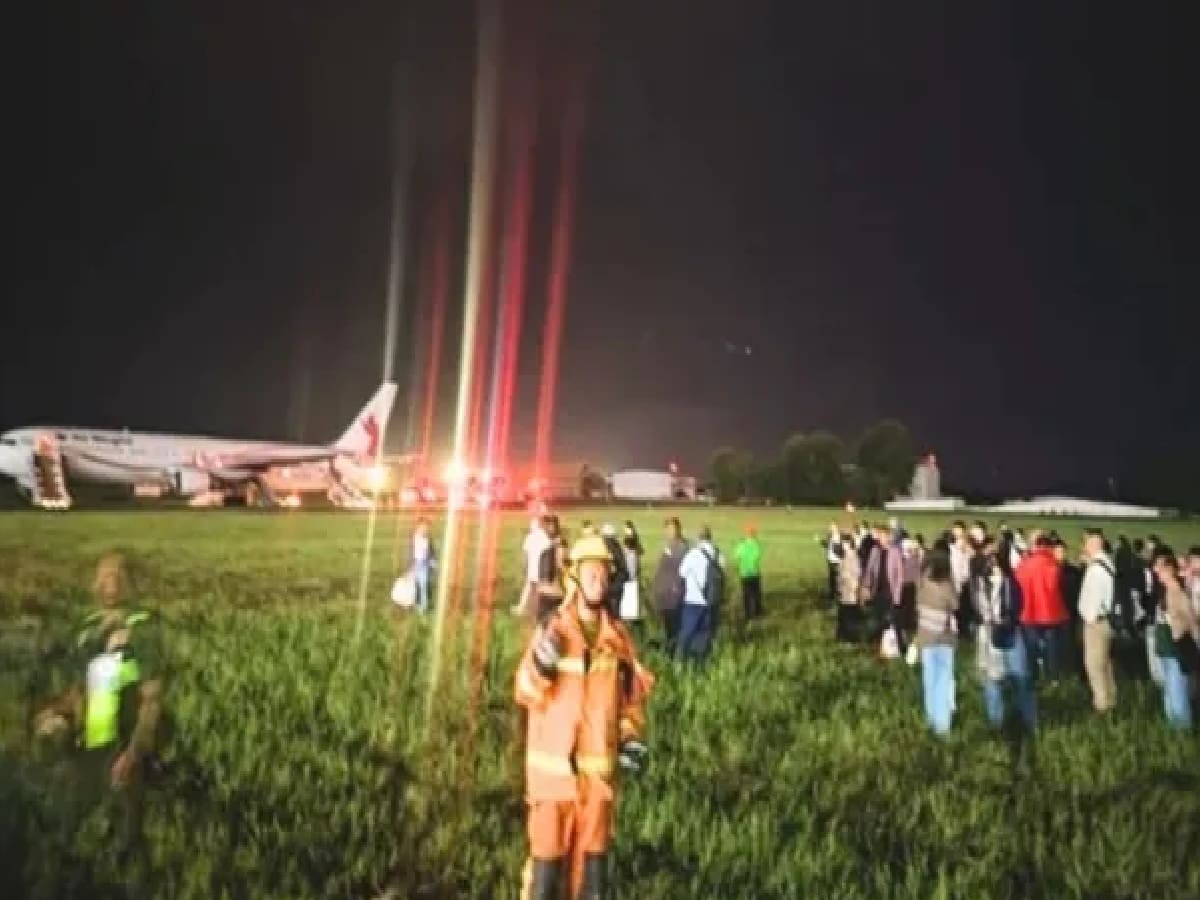
A potentially catastrophic mid-air aviation disaster was narrowly averted over the southern Philippines in the early hours of Saturday, November 21, 2026, when an Air Niugini Boeing 767-383ER passenger jet carrying 146 people—comprising 137 passengers and nine crew members—executed a textbook emergency landing at Francisco Bangoy International Airport (Davao International Airport) after cockpit indicators warned of a possible spark or fire in its right engine. Operating on an overnight scheduled international service from Hong Kong to Papua New Guinea, the wide-body airliner diverted from its planned flight path shortly after midnight once flight-deck crew observed an alert signaling an anomaly in the starboard engine. According to Eric Apolonio, spokesperson for the Civil Aviation Authority of the Philippines (CAAP), the pilots adhered strictly to emergency aviation protocols, declared an unscheduled diversion, and brought the aircraft down safely onto the Davao runway without any reported external structural damage. Immediately upon touchdown, emergency response crews surrounded the aircraft as all 137 passengers and nine crew members evacuated swiftly down inflatable emergency slides, emerging completely unharmed before being escorted to the terminal and transferred to local hotels for rest and onward travel arrangements. To prioritize emergency response and conduct mandatory post-incident runway safety inspections, airport authorities temporarily suspended routine operations at Davao International Airport, resulting in the cancellation of two incoming domestic flights before clearing the main runway to reopen. For international travelers, aviation safety analysts, airline professionals, and readers across Unnao, Lucknow, Kanpur, Varanasi, Mumbai, Bengaluru, New Delhi, Manila, Davao, Hong Kong, and Port Moresby, Saturday's incident stands as a testament to rigorous cockpit emergency training and rapid airport rescue coordination.
Air Niugini Davao Emergency Landing (Nov 21, 2026): Flight, Evacuation & Runway Impact
To bring together the exact aircraft and route details, the cockpit alert reported to Philippine regulators, and the operational impact at Davao International Airport following Saturday's safe diversion, the table below summarizes the verified facts:
| Incident Parameter | Verified Details (Saturday, November 21, 2026) | Aviation Safety & Operational Impact |
| Airline & Aircraft Type | Air Niugini wide-body Boeing 767-383ER operating an international route from Hong Kong to Papua New Guinea. | Long-haul twin-engine aircraft designed to maintain safe flight and diversion capability even if one engine experiences an anomaly. |
| Total Occupants & Safety Outcome | 146 people on board (137 passengers and 9 crew members); zero injuries reported following evacuation via emergency slides. | All occupants were safely sheltered at the Davao International Airport terminal and provided hotel accommodation. |
| Trigger & Emergency Diversion | Cockpit instruments indicated a possible spark or fire in the right engine; pilots deviated from their scheduled route and requested an unscheduled landing in Davao shortly after midnight. | Confirmed by Civil Aviation Authority of the Philippines (CAAP) spokesperson Eric Apolonio; initial checks found no visible damage to the airframe. |
| Airport Closure & Investigation | Davao International Airport temporarily halted regular traffic for emergency response and runway safety checks, causing two incoming domestic flight cancellations before reopening the main runway. | CAAP has opened a formal technical inquiry that will include official testimony from the flight crew and engine inspection. |
How the Flight Crew Executed a Textbook Diversion to Davao
Flying over maritime airspace between Hong Kong and Papua New Guinea shortly after midnight, the pilots of the Air Niugini Boeing 767-383ER faced every aviator's highest-stakes scenario when flight-deck instruments flagged a potential spark or fire in the right-hand engine. Rather than pressing onward across open ocean, the crew immediately initiated standard emergency checklists, deviated from their charted airway, and coordinated with Philippine air traffic controllers for priority clearance into Davao International Airport in the southern Philippines. As CAAP spokesperson Eric Apolonio confirmed, the pilots' disciplined adherence to safety procedures enabled a controlled touchdown, followed by a rapid deployment of emergency evacuation slides that allowed all 137 passengers and nine crew members to exit the cabin calmly without a single injury.
Runway Inspections, Passenger Care, and CAAP's Technical Probe
Once the aircraft came to a halt and emergency teams secured the perimeter, airport authorities temporarily closed Davao International Airport to regular commercial movements so fire and safety personnel could inspect the runway for debris and verify that the jet posed no secondary hazard—a precaution that led to the cancellation of two incoming domestic services before the main runway was certified safe and reopened. Meanwhile, Air Niugini ground staff escorted all 146 occupants through the terminal and arranged hotel stays while awaiting relief travel arrangements. With CAAP investigators now preparing to record formal statements from the pilots and examine the right engine's telemetry and hardware, Saturday's emergency landing underscores how prompt cockpit decision-making and coordinated airport emergency services prevent mechanical warnings from turning into human tragedy.




