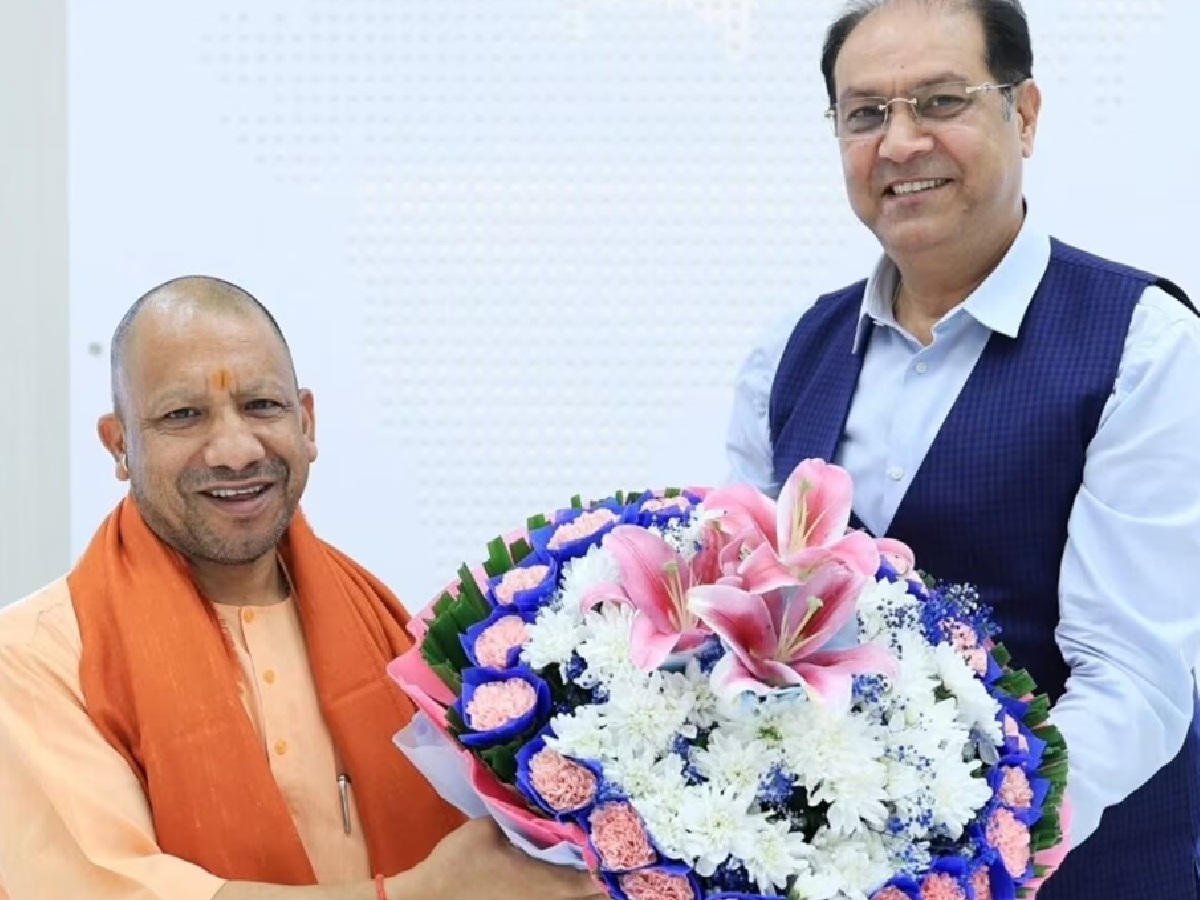
Demand for Transparency: BJP’s Mohsin Raza Seeks Full Audit of 2 Lakh+ Waqf Properties in UP
Transparency and accountability in the management of Waqf assets have moved to the center stage of Uttar Pradesh politics. BJP leader and former minister Mohsin Raza has officially demanded a comprehensive audit of all registered Waqf properties across the state, alleging that the massive income generated by these assets remains largely unaudited and unaccounted for.
The Scale of the Issue: 2 Lakh Registered Properties
According to Mohsin Raza, Uttar Pradesh hosts over two lakh registered Waqf properties, with approximately 1.27 lakh officially logged under the Sunni and Shia Waqf Boards. Highlighting the scale of the concern, Raza noted that in Lucknow alone, nearly 4,000 such properties are registered. Despite their significant potential for revenue and community welfare, Raza claims there is no robust mechanism to monitor how this income is generated, utilized, or managed, creating a critical gap in administrative transparency.
Call for Government Intervention
Directly addressing Chief Minister Yogi Adityanath, the BJP leader has urged the state administration to initiate a transparent audit of all Waqf assets. The demand aims to bring clarity to the financial records and management practices of these boards, ensuring that the income generated serves its intended purpose. "The income generated from these properties and their use should be publicly accounted for," Raza stated, sparking a broader debate on the oversight of minority welfare institutions.
Government Response: Reconstitution and Reform
The state government has responded to the growing discourse with an emphasis on legislative alignment. Danish Azad Ansari, Minister of State for Minority Welfare and Waqf, addressed the issue on Thursday, asserting that the state is committed to implementing the 'Waqf Amendment Act' recently enacted by the central government. Ansari further confirmed that, in line with the new regulations, the Waqf Boards in Uttar Pradesh will be reconstituted to align with prescribed rules, signaling a move toward more structured and regulated management of Waqf affairs in the state.