Ayodhya Set for a Development Boost: CM Yogi to Unveil 100+ Projects Tomorrow
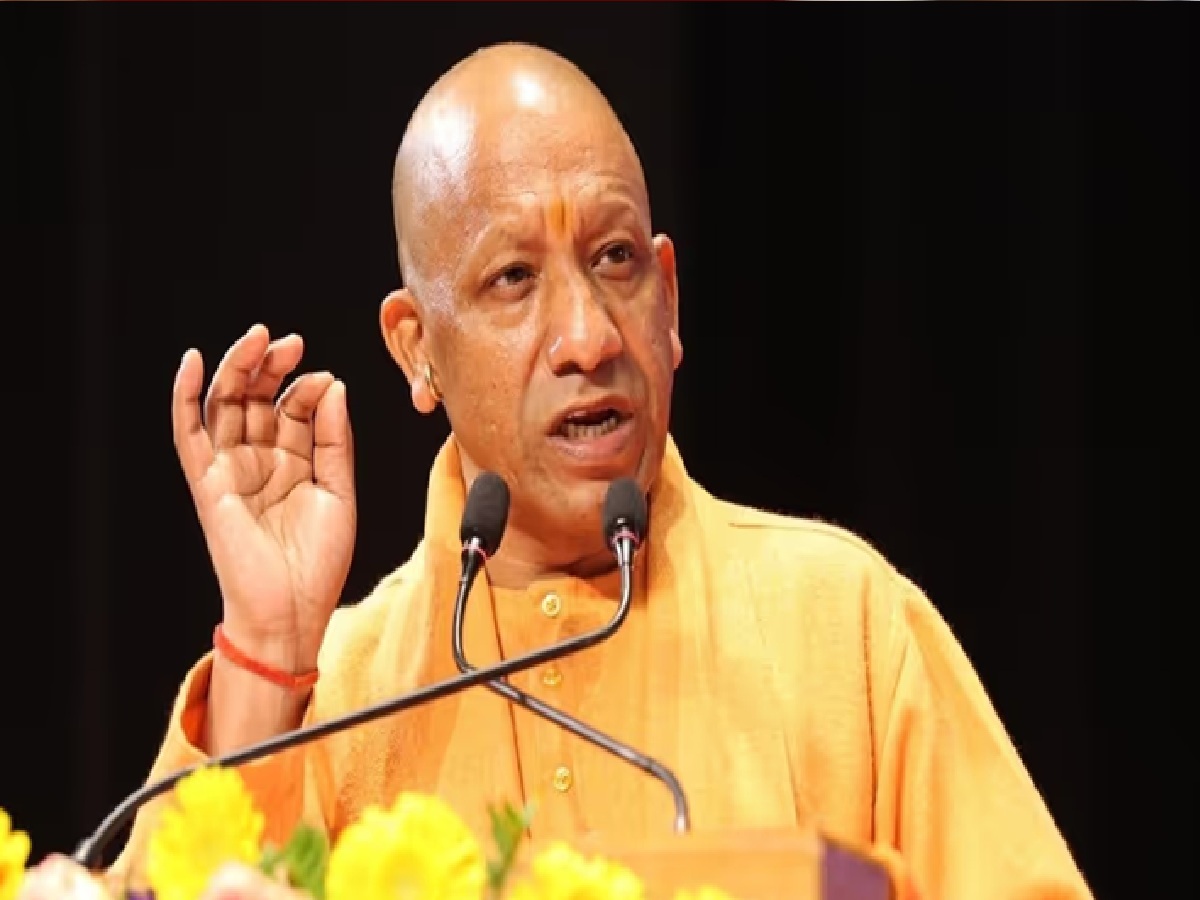
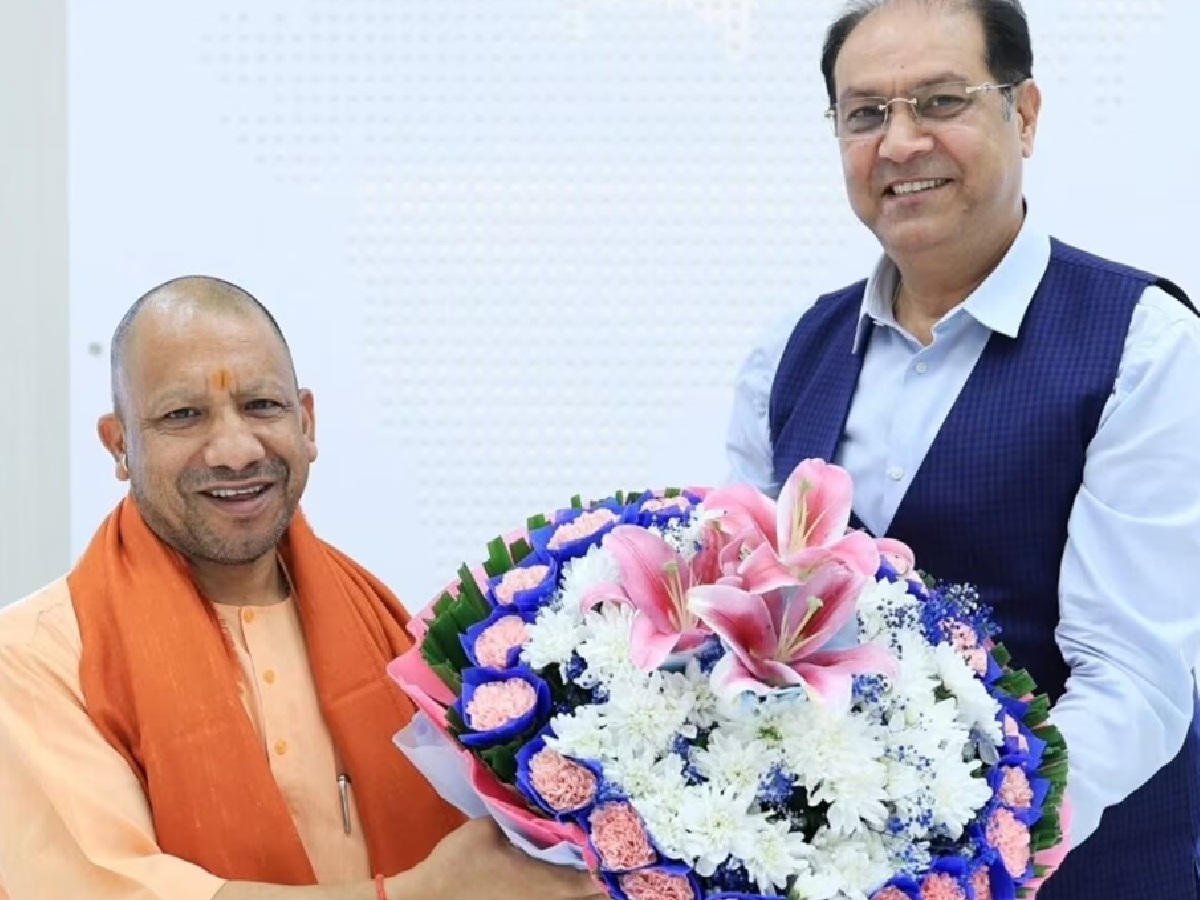
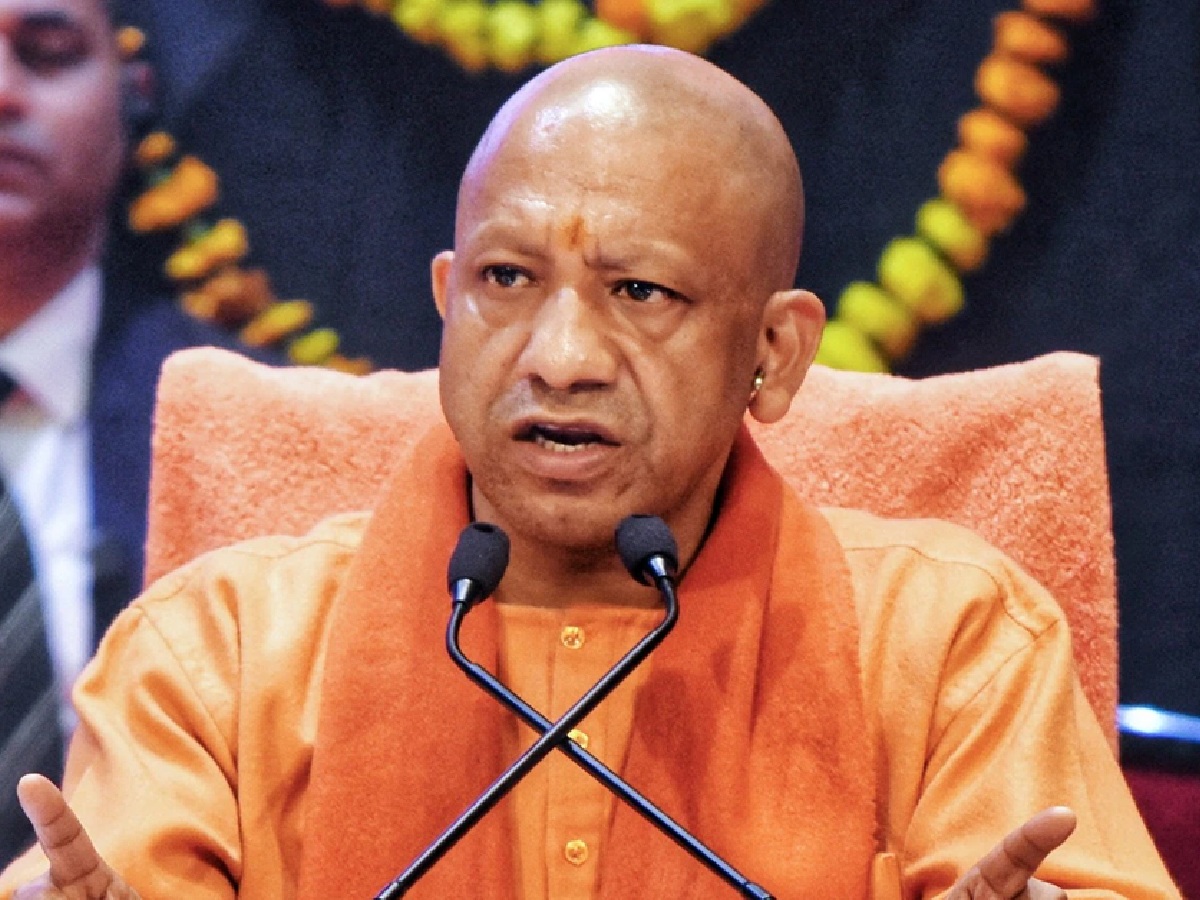
The temple city is gearing up for a major infrastructure push as Uttar Pradesh Chief Minister Yogi Adityanath is scheduled to visit the Bikapur Assembly constituency tomorrow, Friday. In a significant effort to accelerate local development, the Chief Minister will inaugurate and lay the foundation stones for over 100 diverse projects, reinforcing the state government's commitment to regional growth.
A Multibillion-Rupee Gift for Bikapur
The upcoming development package includes several critical infrastructure projects designed to improve public services in the region. Notable among these are the Government College in Shahganj (Bikapur), the Pumping Station at Ramnagar Dhaurahra, and a dedicated Drug Warehouse in Bikapur. Local MLA Dr. Amit Singh Chauhan confirmed that the CM will begin his visit at 8:30 AM by unveiling the statue of the late Irrigation Minister Munna Singh Chauhan at the block headquarters, followed by a ceremonial tree plantation drive.
Massive Public Rally and Administrative Readiness
With expectations of a turnout between 15,000 to 20,000 people, local administration is on high alert. District Magistrate Shashank Tripathi and SSP Dr. Gaurav Grover have personally overseen site preparations at the Sohawal block headquarters, including the construction of a helipad and a massive pandal for the public rally. Local officials, including SDM Savita Rajput and various department heads, are working in coordination to ensure the event proceeds smoothly under strict security protocols.
Bundelkhand Vision: Transforming Banda
This Ayodhya visit follows CM Yogi’s successful trip to Banda on Thursday, where he gifted the district development projects worth a staggering ₹710 crore. During the inauguration of 229 projects in Banda, the Chief Minister laid out his vision to transform Bundelkhand into a "heaven on earth." During his address, he drew sharp contrasts between the current administration and previous governments, alleging that past regimes favored criminal elements and communal infrastructure, whereas his government prioritizes the beautification of religious sites and public welfare projects.