







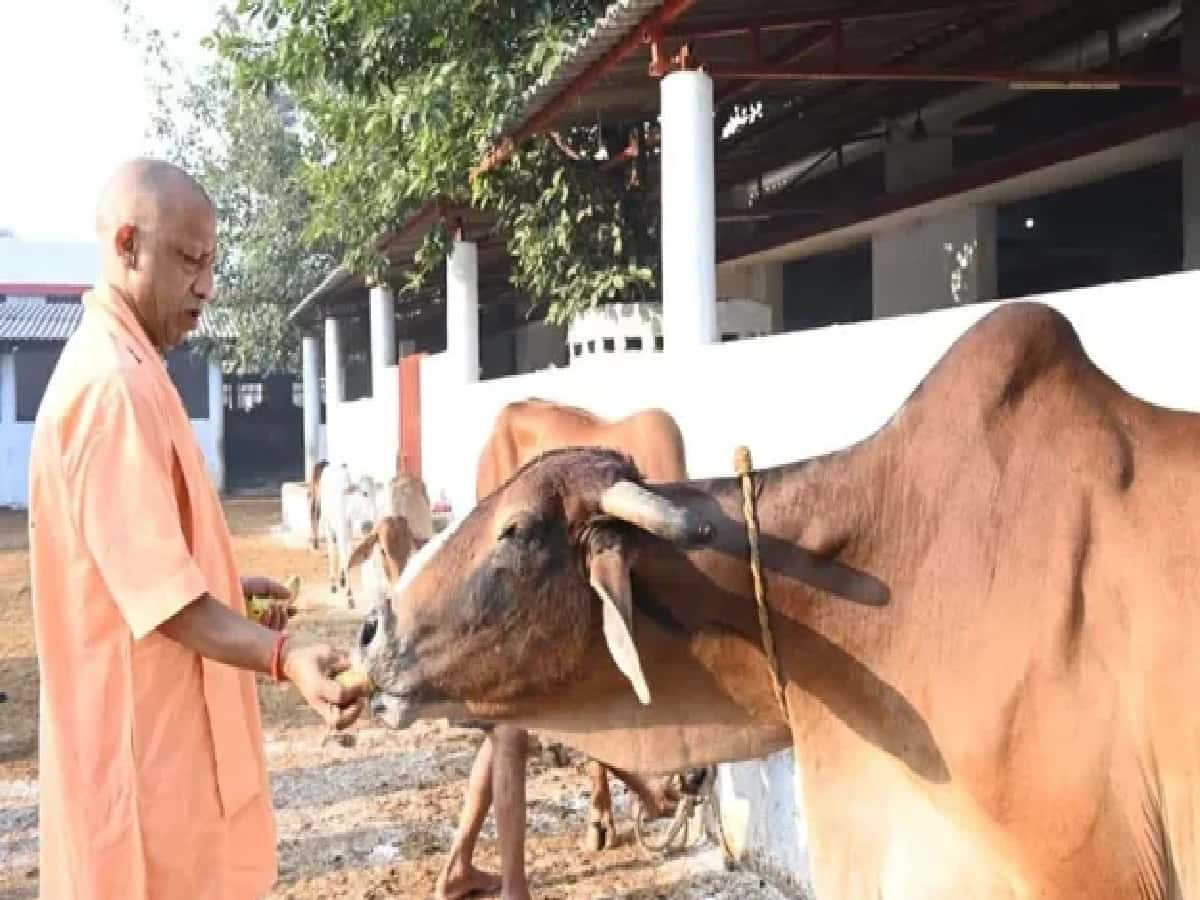
CM Yogi Performs Govardhan Puja at Gorakhnath Temple Gaushala
The sacred festival of Govardhan Puja was observed with traditional religious fervor and deep spiritual devotion at the historic Gorakhnath Temple complex in Gorakhpur on Monday morning, November 9, 2026. Continuing a cherished tradition of the monastic order, Gorakshapeethadhiswar and Uttar Pradesh Chief Minister Yogi Adityanath visited the temple’s expansive cowshed (gaushala) to perform the annual Vedic rituals dedicated to Mount Giriraj and Gau Mata. Surrounded by temple priests and Vedic scholars, the Chief Minister applied ceremonial vermilion tilak to the cattle, draped them in vibrant flower garlands, and prayed for the welfare, health, and economic prosperity of all citizens across Uttar Pradesh. Following the formal religious ceremony, Chief Minister Yogi personally walked through the sheds, affectionately calling familiar cows by their individual names, patting them gently, and feeding them fresh jaggery (gur) and ripe bananas with his own hands. Speaking to reporters after completing the rituals, the Chief Minister extended festive greetings to cowherds (Gopalaks) and farmers, emphasizing that the preservation, dignified upkeep, and breed improvement of indigenous cattle remain vital to the cultural and agricultural soul of India.
Sacred Vedic Rituals in the Gorakhnath Temple Cowshed
The morning ceremony commenced amidst the resonant chanting of ancient Vedic hymns by Sanskrit scholars within the clean, open courtyards of the Gorakhnath Math cowshed. Chief Minister Yogi Adityanath led the traditional shodashopachara worship, offering raw cow milk, sacred river water, consecrated akshat grains, and fragrant marigold garlands to the cattle. Revered across the region not only as the political head of India’s most populous state but as the spiritual custodian of the Gorakhnath Peeth, the Chief Minister’s daily routine has long included dedicated personal service (Gau Seva) to the animals whenever he is in residence.
During the ceremony, Chief Minister Yogi demonstrated his deep familiarity with the temple herd, calling out affectionately to several familiar cows and calves. The animals recognized his voice immediately, walking up to the enclosures to receive gentle strokes, head caresses, and affectionate banter. Moving from stall to stall, he spent considerable time hand-feeding nutritious treats of pure jaggery and fresh bananas, ensuring that every corner of the shelter participated in the festive meal. The ritual underscored an essential tenet of Govardhan Puja: recognizing animals not as utilitarian assets, but as living manifestations of divine generosity that deserve heartfelt love and protection.
Three Welfare Pillars: Financial Aid and Stray Cattle Rehabilitation
Detailing the broader policy framework supporting animal welfare across the state, Chief Minister Yogi Adityanath announced that Uttar Pradesh has established a comprehensive, three-pillar support mechanism to transform cow protection into a viable rural economic model. Currently, the state government operates more than 7,700 dedicated cow shelters (gaushalas) that house, feed, and medically treat over 1.6 million (16 lakh) destitute and abandoned cattle. These public facilities provide a safe, permanent haven for aged, non-lactating, or stray animals that would otherwise be left vulnerable along rural highways or inside urban centers.
Beyond institutional shelters, the Chief Minister highlighted the immense grassroots success of the Mukhyamantri Nirashrit Govansh Sahbhagita Yojana. Under this decentralized participatory scheme, any verified local farmer or dairy keeper who adopts a cow from a government shelter receives a direct financial maintenance allowance of ₹1,500 per month per cow (calculated at ₹50 per day) disbursed directly into their bank account via Direct Benefit Transfer (DBT). A single farming household is permitted to adopt up to four cattle, providing families with a dependable supplementary income of up to ₹6,000 every month. In tandem with this, the administration operates a specialized nutritional welfare initiative under the National Nutrition Mission: identified malnourished households are provided with a lactating cow directly from shelter facilities to ensure growing children have guaranteed daily access to fresh milk, accompanied by the same ₹1,500 monthly stipend to cover fodder expenses. Tens of thousands of rural families have embraced these welfare programs, turning cattle rehabilitation into a practical tool for eradicating rural malnutrition and bolstering household finances.
Zero Stray Cattle on Streets: Rural Shelters and Urban Kanha Upvans
Addressing a long-standing agricultural and civic challenge, Chief Minister Yogi reiterated that the foundational objective of the state's cattle policy is twofold: to protect farming communities from crop destruction and to prevent animals from roaming traffic corridors where they face accidents or neglect. To achieve this, the administration has implemented a strict dual-management structure divided by geography. In rural areas, the comprehensive management of cattle protection centers is overseen directly by the Animal Husbandry Department, which organizes regular veterinary checkups, vaccination drives, and fodder supply chains.
In urban centers and municipal corporation zones, modern cow shelters are constructed and managed by the Urban Development Department under the Kanha Upvan model. These well-equipped urban sanctuaries incorporate large covered shed roofs, concrete feeding troughs, dedicated medical isolation wards, and specialized bio-waste facilities. Chief Minister Yogi noted that this institutional division ensures that destitute animals are housed in dignified, hygienic surroundings while urban roadways remain clear and safe for commuters. The ultimate vision, he stated, is an ecosystem where no cow is abandoned on the street and every animal is integrated into productive natural farming or shelter networks.
The Soul of Agrarian India: Purusharthas and the Gau Graas Tradition
Reflecting on the deeper civilizational ethos of the country, Chief Minister Yogi described the cow as the beating spiritual and ecological heart of India’s agricultural and sage-guided heritage (Krishi aur Rishi Sanskriti). He observed that in traditional Indian society, spiritual pursuits have never been divorced from ecological responsibility. The service of Gau Mata, he noted, provides an accessible path toward fulfilling the four cardinal life pursuits of human existence: Dharma (righteous duty), Artha (honest material prosperity), Kama (fulfillment of legitimate desires), and Moksha (spiritual liberation). Wherever cows are protected and treated with genuine reverence, environmental balance and economic prosperity naturally follow.
The Chief Minister called upon every household across Uttar Pradesh and the country to reconnect with the timeless cultural practice of Gau Graas—the ancient domestic custom of reserving the first freshly cooked morsel of bread for the cow and the final portion for the dog before the human family partakes of the meal. He emphasized that if every urban and rural family revives this daily act of collective responsibility, society can effortlessly support local animal populations. For citizens residing in metropolitan apartments who cannot raise animals at home, the Chief Minister urged them to periodically visit, volunteer, and contribute financial or fodder donations to registered charitable shelters, ensuring that the compassionate spirit celebrated on Govardhan Puja translates into a year-round commitment to community welfare.
Bridging Faith and Governance Across Uttar Pradesh
The Govardhan Puja observance at the Gorakhnath Math underscores a distinctive governance philosophy where ancient spiritual heritage is actively harmonized with pragmatic welfare economics. By linking animal protection to direct farmer subsidies, natural farming inputs, and childhood nutritional security, the Uttar Pradesh government has demonstrated how traditional cultural values can address modern agricultural challenges. As festive celebrations conclude across Gorakhpur, Lucknow, and the wider state, the message delivered from the temple cowshed serves as a reminder that human progress and compassionate stewardship of nature remain fundamentally intertwined.




