Why People Bathe After a Solar Eclipse: Mythological and Scientific Reasons Explained
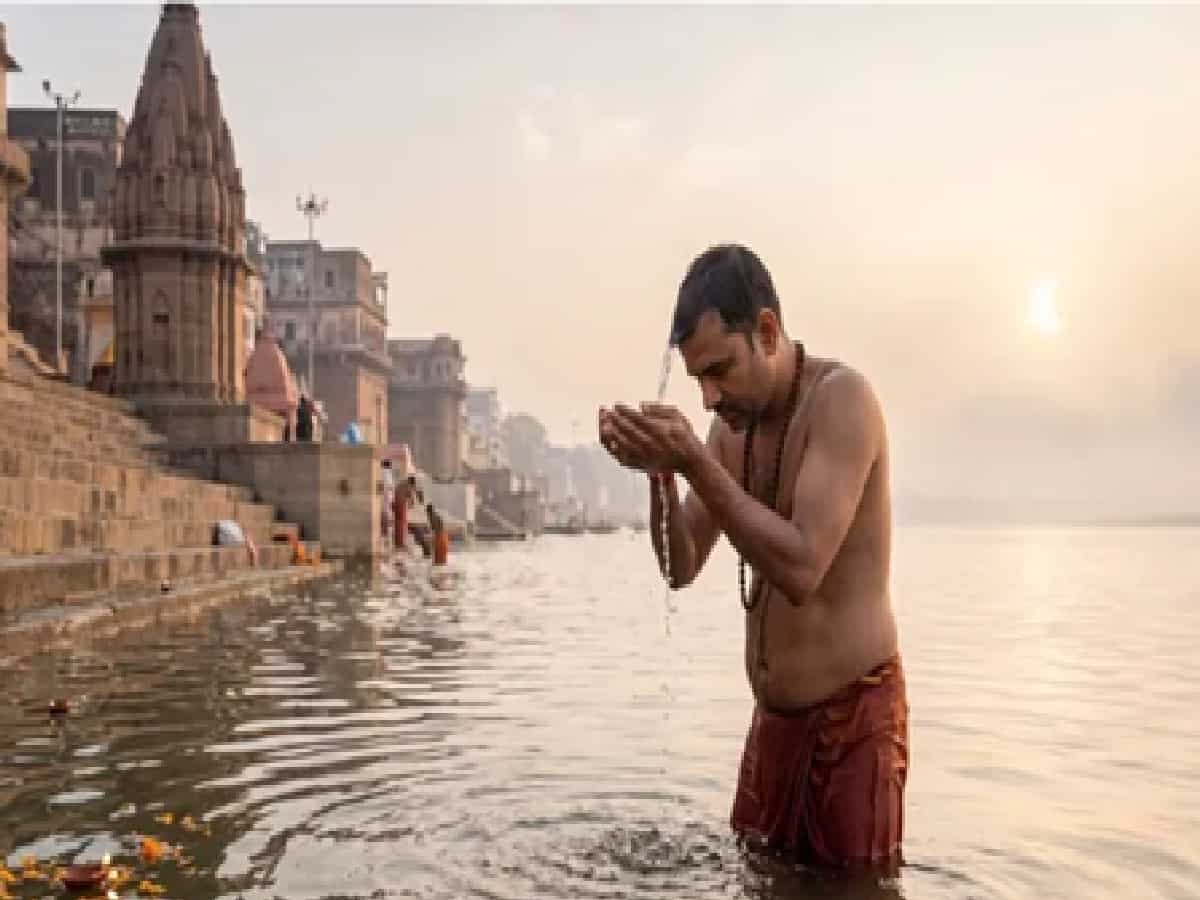
A solar eclipse has universally remained one of the most fascinating astronomical alignments, occurring when the moon passes directly between the Sun and Earth, casting its shadow across the planet and resulting in either a partial or total blockage of solar light. Beyond its scientific marvel, celestial events like solar eclipses have historically been believed to carry profound influences on human lives, energy fields, and zodiac signs. Across ancient Indian traditions, various precautionary rules and behavioral guidelines are strictly recommended during this period, with taking a ritual bath immediately after the eclipse concludes being one of the most prominent customs.
Religious Beliefs and Environmental Purification After an Eclipse
According to traditional Hindu belief systems, a solar eclipse creates an energetic shift where the environment is considered spiritually impure or vulnerable. Ancient texts suggest that during an eclipse, shadow influences intensify, allowing negative energies to become more active in the surrounding atmosphere. Because of this perceived atmospheric heaviness, several activities—such as worshiping inside temples, consuming food, or engaging in routine household chores—are traditionally discouraged while the eclipse is active. Taking a bath immediately after the eclipse ends serves a dual purpose: it cleanses the physical body from external impurities and acts as a spiritual reset to clear lingering negative energy from the surrounding environment.
The Mythological Tale of Rahu, Ketu, and the Puranas
The roots of these eclipse traditions are deeply embedded in ancient Hindu scriptures and Puranic lore. The phenomenon is famously linked to the legend of Samudra Manthan, the celestial churning of the ocean. According to the Skanda Purana and the Padma Purana, when Lord Vishnu distributed the divine nectar of immortality (amrit) to the gods, a demon named Swarabhanu disguised himself and sat among the deities to consume the nectar. The Sun and Moon deities recognized the deception and alerted Lord Vishnu, who immediately severed the demon's head with his Sudarshan Chakra. Because the demon had already tasted a drop of nectar, his head and body survived as the immortal shadow planets Rahu and Ketu. Mythology dictates that eclipses occur when Rahu periodically seeks retribution by overshadowing the Sun and Moon, creating an impure phase that necessitates post-eclipse purification through bathing.
Scientific Perspectives and Modern Relevance
While ancient texts attribute post-eclipse bathing to mythological occurrences and energetic purification, modern observers note that traditional practices often aligned with practical health safeguards. During an eclipse, direct viewing or atmospheric changes can coincide with shifts in ambient temperature and ultraviolet exposure, prompting early societies to emphasize cleanliness, dietary restrictions, and physical baths to restore hygiene and personal well-being once normal sunlight returned.