







Where Ravana Isn't Burnt: 7 Indian Towns That Worship Him on Dussehra
While the crackle of burning effigies and celebratory fireworks will echo across India to mark the triumph of good over evil on Vijayadashami, celebrated on Tuesday, October 20, 2026, several regions across the country observe the day with contrasting solemnity and devotion. Defying the pan-Indian custom of Ravan Dahan, ancient settlements and indigenous communities across Uttar Pradesh, Madhya Pradesh, Maharashtra, Rajasthan, and Karnataka view the mythological ruler of Lanka not as an adversary to be incinerated, but as a venerable Vedic scholar, a fierce devotee of Lord Shiva, and even an honored family son-in-law. Rather than setting towering effigies ablaze, these unique cultural hubs mark the festival with elaborate temple rituals, silent mourning, or protective community prayers rooted in centuries-old local heritage.
The Son-in-Law of Mandsaur and Birthplace in Bisrakh: Central and Northern Heartland Traditions
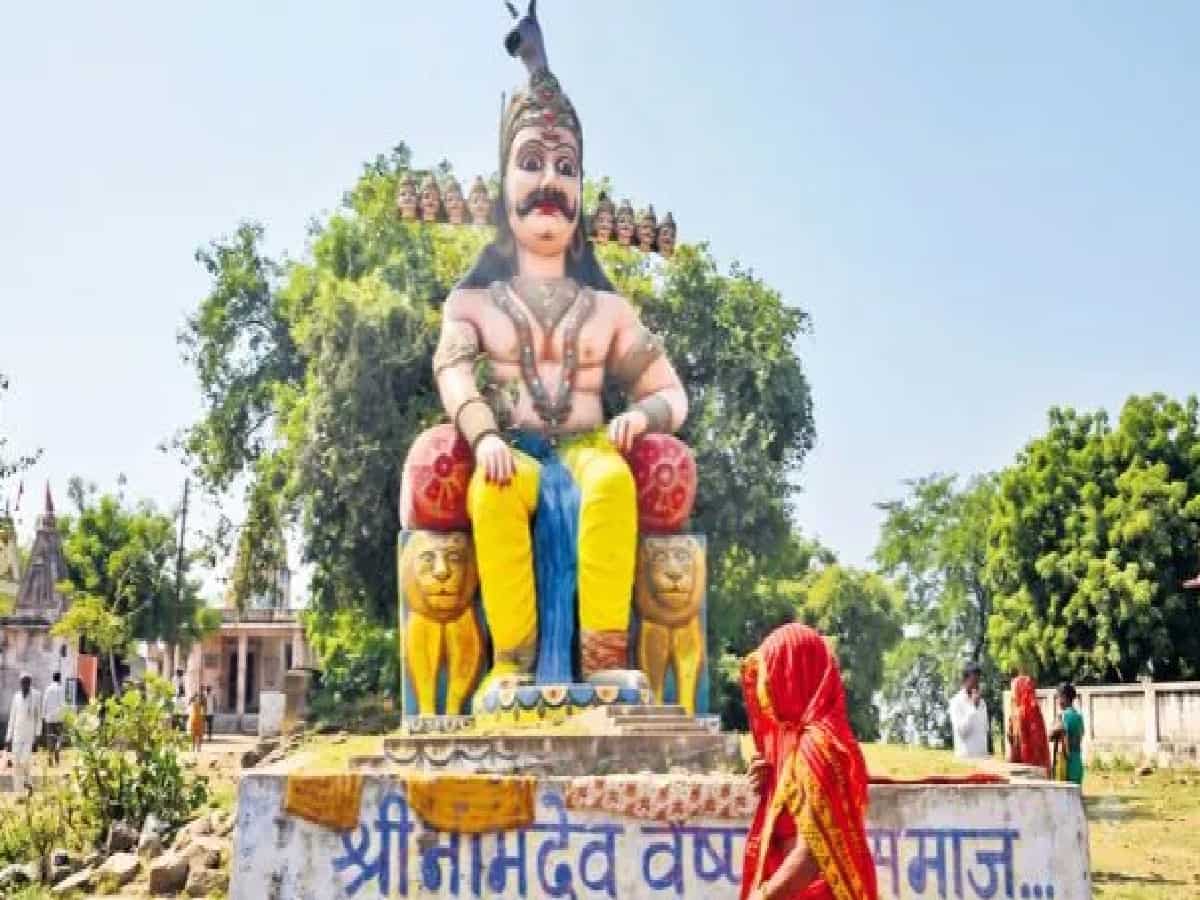
In the historic town of Mandsaur in Madhya Pradesh, the local Namdev community strictly avoids burning Ravana's likeness in the Khanpura locality, honoring an age-old belief that Queen Mandodari hailed from this very soil. Treating Ravana as their respected son-in-law (damaad), local families gather to offer flowers and customary salutations, viewing effigy combustion as an unacceptable familial slight. A similar spirit of reverence thrives in Ravangram near Vidisha, Madhya Pradesh, where an ancient temple enshrines Ravana as a peerless scholar whose blessings are invoked not just on Dussehra, but during auspicious household milestones such as weddings and harvest ceremonies. Further north, the historic village of Bisrakh in Greater Noida, Uttar Pradesh, revered as the ancestral seat of Ravana’s father, the revered sage Vishrava, commemorates the festival through solemn Vedic prayers and rituals, steadfastly refusing to participate in effigy burnings out of respect for their legendary native son.
Kanpur’s Once-a-Year Temple to Jaswantnagar’s Funeral Rites: Descendant Devotion and Gond Culture
The architectural centerpiece of this tradition stands in the Shivala quarter of Kanpur, Uttar Pradesh, where the famous Dashanan Temple unlocks its doors to the public for just a single day each year on Dussehra. Devotees line the streets as the sanctum is cleansed, adorned, and honored with Vedic hymns before being firmly shuttered until the next autumn festival. In Jaswantnagar, located in Uttar Pradesh's Etawah belt, locals perform an elaborate puja of Ravana's clay idol before respectfully dismantling it into fragments, which villagers carry home as sacred relics before observing the traditional thirteen-day mourning rites (terahvi). Meanwhile, in Jodhpur, Rajasthan, the Maudgil Brahmin community traces its direct ancestral lineage to the scholar king, gathering on Vijayadashami to perform shraadh and Pind Daan for the salvation of his departed soul. From the Gond tribal communities of Gadchiroli in Maharashtra, who revere Ravana as an integral cultural icon, to sacred pockets in Kolar and Malavalli in Karnataka where his unwavering Shaivite penance is venerated, these enduring regional customs preserve a multifaceted tapestry of Indian folklore.




