







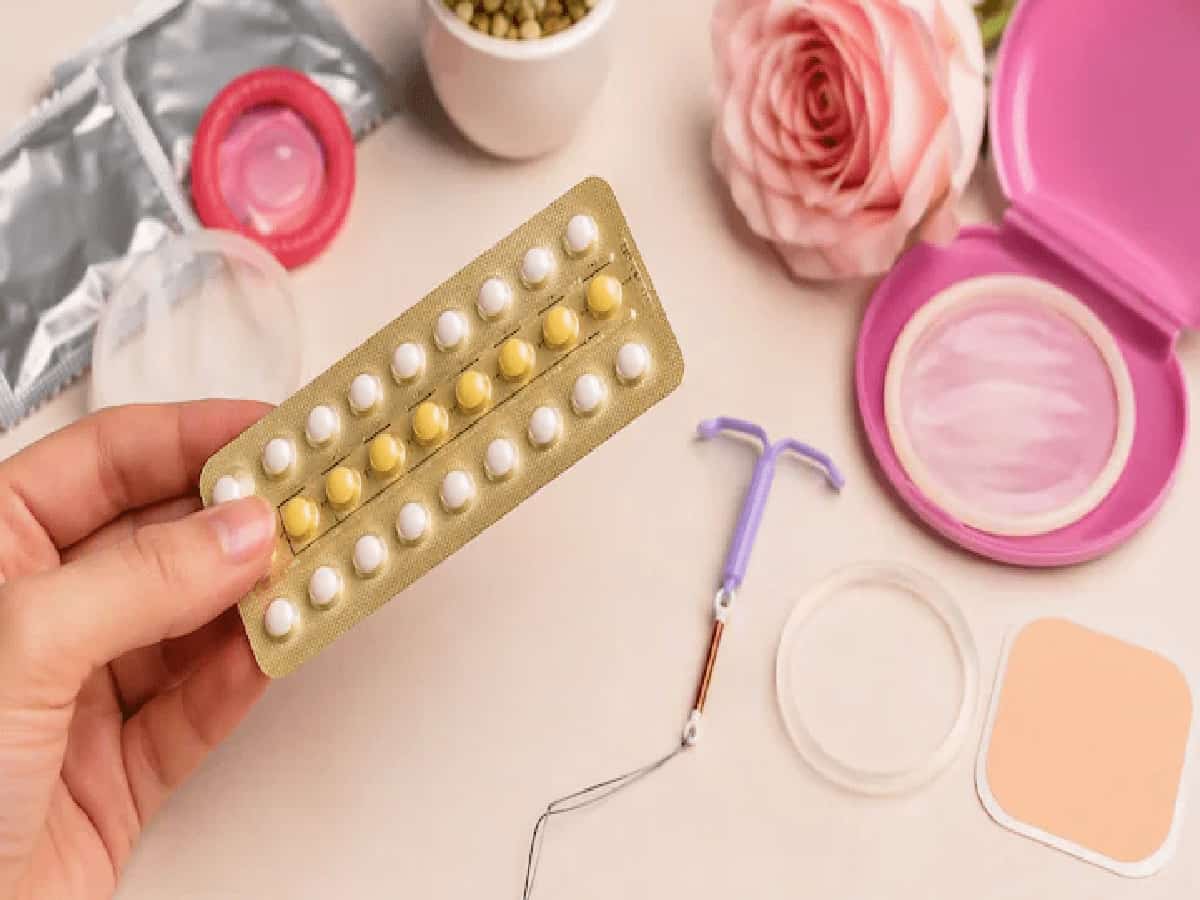
How to Pick the Best Contraceptive for Your Body and Prevent Unwanted Pregnancy Safely
Navigating family planning, postpartum spacing, and pregnancy prevention remains an area surrounded by hesitation, casual pharmacy counter advice, and word-of-mouth recommendations across Indian households. Relying on casual suggestions from friends or taking over-the-counter tablets without clinical assessment often leads to erratic menstrual cycles, sudden weight gain, hormonal breakouts, and unnecessary anxiety. Every woman's metabolic baseline, hormonal balance, lifestyle schedule, and medical background are distinct, meaning a contraceptive that works seamlessly for one person may cause adverse side effects in another. Selecting the right method requires understanding the clear trade-offs between long-acting devices, oral regimens, barrier protection, and surgical options.
Key Questions to Ask Before Choosing a Contraceptive Method
Before starting any contraceptive method, consider these five core health factors:
-
Timeline for Children: Clarify whether you want to prevent pregnancy for the next 12 months, space children by three to five years, or conclude family planning permanently.
-
Menstrual Health and Flow: Review your typical cycle to note if you experience heavy bleeding, dysmenorrhea (severe pelvic cramps), or persistent cycle irregularities.
-
Daily Routine and Compliance: Assess whether you can consistently take an oral tablet at the exact same hour every day or if your schedule demands a set-and-forget solution.
-
Underlying Health Conditions: Disclose personal or family histories of chronic hypertension, thyroid disorders, migraine with aura, deep vein thrombosis (DVT), or cardiovascular disease to your doctor.
-
Dual Protection Needs: Determine whether you require protection solely against pregnancy or also need a barrier against sexually transmitted infections (STIs).
Long-Acting Reversible Contraceptives: Hassle-Free Protection for 3 to 10 Years
For individuals who want reliable pregnancy prevention without daily tracking, long-acting reversible options offer high clinical efficacy:
-
Non-Hormonal Copper-T (IUD): Inserted into the uterine cavity by a qualified gynecologist during a routine clinic visit, the copper frame continuously releases minute trace ions that immobilize sperm and prevent fertilization. It contains zero synthetic hormones, lasts between 5 to 10 years depending on the model, and allows fertility to return rapidly within weeks of removal.
-
Hormonal IUD (Progestin System): Releases micro-doses of levonorgestrel locally within the uterine lining. This method provides dual benefits for women troubled by menorrhagia (excessive bleeding) or severe cramping by thinning the endometrium and reducing blood loss alongside reliable contraception.
-
Subdermal Arm Implant: A small, flexible rod inserted just beneath the skin of the upper inner arm by a medical professional. It delivers steady progestin protection for up to three years while remaining discreet.
Daily Birth Control Pills vs Barrier Protection: Precision Timing Against Complete STI Defense
Short-term and on-demand methods remain popular, but each requires specific precautions to work effectively:
-
Oral Contraceptive Pills (OCPs): Combined oral pills suppress ovulation and regulate irregular cycles, often helping clear hormonal acne. However, their reliability depends on strict adherence: missing doses two days in a row compromises contraceptive coverage.
-
Who Should Avoid OCPs: Women managing uncontrolled high blood pressure, active obesity, a history of migraines, or personal/family risks of blood clotting disorders should not take estrogen-containing birth control pills without clearance from an endocrinologist or gynecologist.
-
Male and Female Condoms: Barrier methods remain the only over-the-counter option that protects against both unintended pregnancy and sexually transmitted infections, including HIV. Free of hormonal side effects, they work well on their own or paired with other methods for added protection.
Expert Medical Perspective: Tailoring Contraceptive Care to Individual Health
Clinical guidance emphasizes evaluating personal health markers rather than relying on one-size-fits-all solutions:
-
Individualized Selection: Dr. Richa Arora Miglani, Head of Laparoscopic, Robotic, and Cosmetic Gynecology at RG Hospitals in New Delhi, highlights that the safest choice depends on age, parity, metabolic markers, and cycle comfort.
-
Targeted Recommendations: Dr. Miglani notes that women seeking worry-free options often prefer a Copper-T or implant, whereas those with heavy periods benefit from hormonal IUDs. Those at risk for vascular or cardiac complications should generally avoid standard oral pills.
-
Pre-Insertion Checkups: Undergoing a pelvic examination and baseline screening with a qualified physician ensures the cervix and uterine cavity are healthy before placing an intrauterine device.
Emergency Contraceptive Pills Are Not Daily Candy: Critical Health Warnings
Misleading advertisements have led some young adults to treat morning-after emergency pills as a routine backup, carrying distinct medical consequences:
-
Intended Use Only: The 72-hour emergency morning-after pill is formulated strictly for emergencies, such as condom failure or non-consensual situations, not regular birth control.
-
Severe Hormonal Disruption: Emergency pills deliver an intense, concentrated surge of hormones to delay ovulation, which can temporarily disrupt uterine rhythms and natural hormone production.
-
Risks of Frequent Use: Taking emergency pills multiple times in a single month can cause erratic breakthrough bleeding, nausea, abdominal cramps, and persistent cycle irregularities.
Permanent Sterilization: Safe and Minor Procedures Once Family Planning Is Complete
For couples over 35 who have completed their desired family size, permanent surgical options offer a one-time, definitive solution:
-
Tubectomy for Women: Modern female sterilization is completed via minimally invasive laparoscopy through a small incision, allowing most patients to return home the same day.
-
Vasectomy for Men: Male sterilization is an outpatient procedure that requires no major incisions or stitches. It is simpler and carries a shorter recovery time than female tubectomy.
-
Dispelling Myths: Medically supervised vasectomy does not impair physical stamina, testosterone levels, or sexual function, serving as a straightforward option for couples seeking permanent contraception.




