







₹191-Crore Padma Lok Housing & 556 PMAY Keys Redefine Prayagraj’s Kasari-Masari
Where walls of extortion, unlawful possession, and criminal dread once stood tall, the joyful laughter of children and the pride of homeownership are poised to echo across the Sangam city of Prayagraj. In a historic urban transformation that illustrates Uttar Pradesh's evolving governance priorities, the notorious Kasari-Masari tract has officially shifted from a symbol of underworld dominance into a monument of public dignity. The state administration conducted the formal groundbreaking ceremony (Bhoomi Pujan) for 602 modern residential units under the Padma Lok Awas Yojana, built at an estimated outlay exceeding ₹191 crore across 9,811 square meters of prime urban real estate systematically reclaimed from organized mafia cartels. Concurrently, the ceremony marked an emotional milestone for the urban poor as official allotment keys were handed over to 556 deserving families under the Pradhan Mantri Awas Yojana (Urban), transforming years of displacement, precarious rents, and monsoon-soaked dwellings into permanent security, self-respect, and lawful stability.
Reclaiming 9,811 Square Metres: How Padma Lok Awas Fulfills the Housing Dreams of the Marginalized
For underprivileged families across the state, securing a brick-and-mortar home represents far more than physical masonry; it embodies an irreversible escape from systemic vulnerability and exploitation. The Kasari-Masari initiative pairs the future security of 602 households enrolled under Phase 1 of the Padma Lok project with the immediate fulfillment of 556 families stepping across their own thresholds for the very first time. For generational day-laborers, mothers who spent decades protecting children from crumbling roofs, and working-class families caught in relentless cycles of eviction, holding legal keys to an address within a planned residential complex fundamentally restores human dignity. By directing reclaimed mafia assets straight into affordable housing frameworks, the state government has linked punitive law enforcement directly to social rehabilitation, ensuring that prime land once wielded to terrorize common citizens now functions as an engine of community empowerment and generational wealth for society's most fragile economic segments.
The Ramrajya Doctrine in Action: Translating Zero-Tolerance Policing into Fearless Citizenship
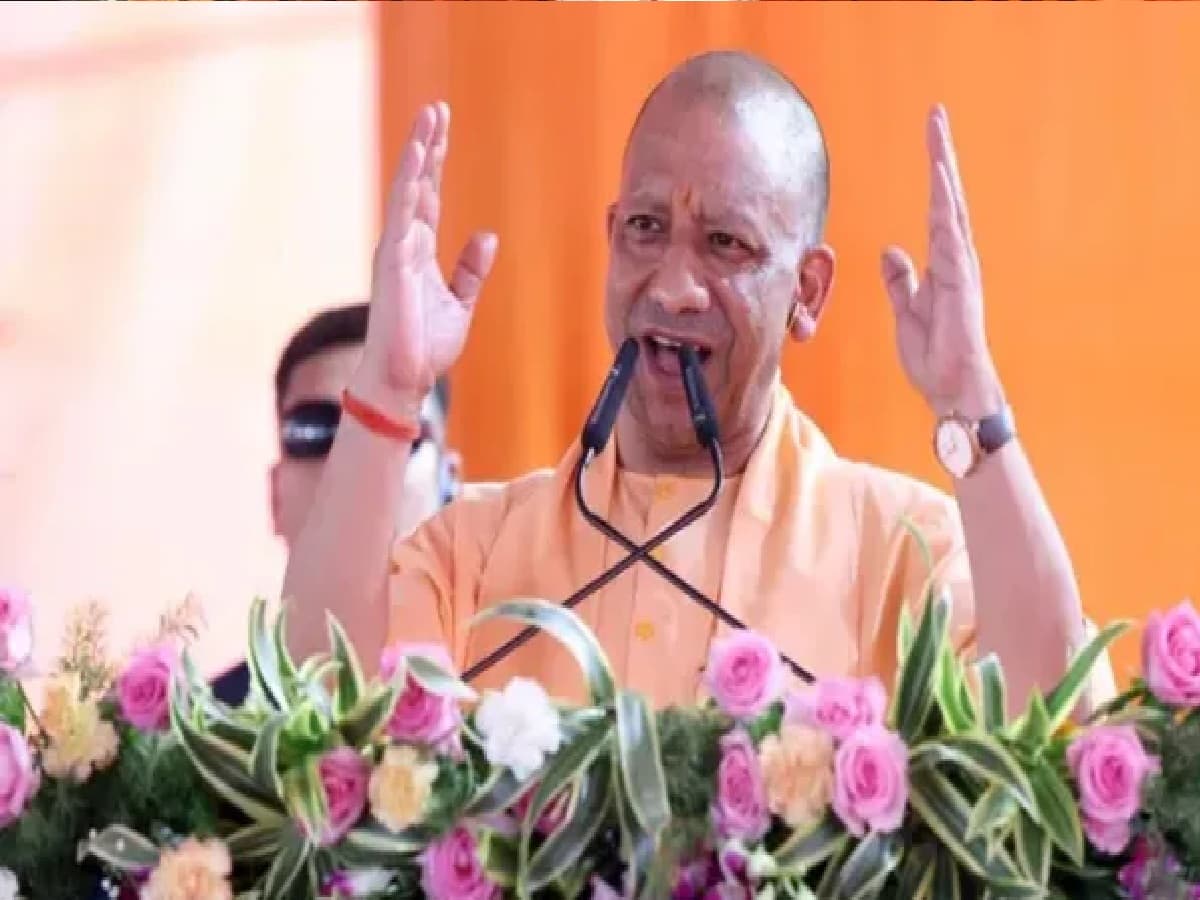
This infrastructural milestone reflects Chief Minister Yogi Adityanath’s governance triad: uncompromising zero-tolerance toward criminal cartels, relentless enforcement of the rule of law, and absolute prioritization of the underprivileged in public development. Rather than treating policing and social welfare as disconnected tracks, this administrative philosophy recognizes that when organized syndicates usurp public resources, the poor inevitably lose their fundamental protections first. Drawing inspiration from the classical Vedic ideal of Ramrajya immortalized by Goswami Tulsidas in the Ramcharitmanas—where governance is judged by the total eradication of physical, divine, and material suffering—the transformation of Kasari-Masari proves that the ultimate victory of law lies in delivering a fearless everyday life to the common citizen. Looking ahead, this once-feared locality will be defined by children walking to school, sacred Tulsi plants adorning sunny courtyards, and vibrant neighborhood festivals, cementing an inspiring confluence of justice, trust, and self-respect along the historic banks of Prayagraj.




