







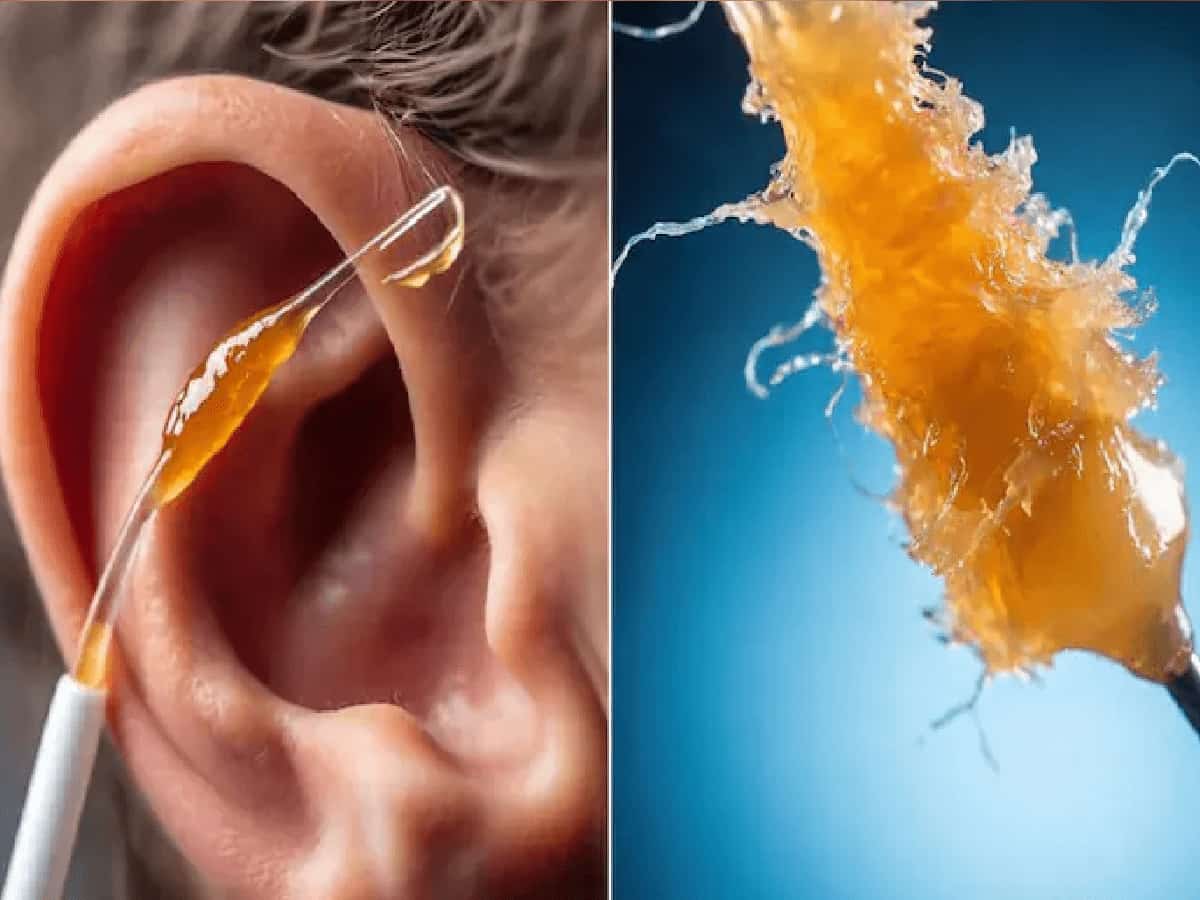
Safe Natural Remedies to Clear Stubborn Earwax Without Damaging Your Eardrums
A momentary itch or tickling sensation deep inside the ear often prompts people to instinctively reach for whatever sharp tool is nearby—from car keys, paperclips, and pen caps to safety pins and matchsticks. While poking into the auditory canal may offer temporary psychological relief, this habit poses a significant danger to the delicate tympanic membrane, where a single slip can cause irreversible hearing impairment or chronic middle ear infections. Even commercially marketed cotton earbuds frequently cause more harm than good by ramming loose debris deep into the inner canal, turning soft wax into an impacted plug. Understanding the protective role of earwax and adopting doctor-approved softening remedies allows you to clear ear blockages safely at home.
Understanding Earwax: Why Your Body Naturally Produces Cerumen
Far from being dirty waste that requires aggressive daily scraping, earwax serves as an essential biological shield:
-
Natural Defense Barrier: Specialized ceruminous and sebaceous glands lining the outer auditory canal continuously secrete a lipid-rich, slightly acidic waxy film known as cerumen.
-
Trapping Microscopic Invaders: This natural coating traps airborne dust particles, environmental debris, harmful bacteria, and minute insects, preventing them from traveling deeper to harm the delicate eardrum.
-
Self-Cleaning Mechanics: Under normal physiological conditions, our ears clean themselves. Routine jaw movements from talking, chewing food, and laughing naturally migrate dried wax flakes toward the outer ear opening, where they fall out naturally.
-
The Compaction Danger: Inserting cotton swabs, rolled cloth, or metallic probes counters this natural migration, pushing wax backward and compacting it against the eardrum into a dense, stone-like plug.
Symptoms of Impacted Earwax: When Your Ears Are Truly Blocked
Not every transient itch indicates severe cerumen impaction, but persistent warning signs point to a buildup:
-
Muffled Hearing and Echoes: Sounds and phone calls on the affected side seem distant, faint, or muffled with a hollow echoing sensation.
-
Sensation of Fullness: A persistent feeling of fullness or heaviness inside the ear canal, resembling the sensation of wet cotton packed tightly inside.
-
Tinnitus and Hissing Sounds: Recurring whistling, hissing, or ringing noises (tinnitus) caused by hard wax resting directly against the sensitive eardrum.
-
Continuous Canal Itching: Deep, chronic itching and discomfort sparked by dry, hardened wax adhering tightly to sensitive canal walls.
Safe Home Remedies to Soften and Dislodge Stubborn Wax
Gentle, time-tested natural solutions help dissolve hardened wax safely without mechanical poking:
-
Warm Mustard Oil Drops: A staple remedy across Indian households. Warm a single teaspoon of pure mustard oil slightly over a heat source until barely lukewarm—never hot. Lie on your side, place 1 to 2 drops into the affected ear with a clean dropper, and remain still for five minutes to allow the oil to saturate the hardened wax. Then turn your head over an old cotton cloth to let the softened fluid drain out naturally.
-
Sweet Almond or Virgin Coconut Oil: For those seeking a lighter oil, pure coconut oil or cold-pressed sweet almond oil works effectively. Its soothing qualities ease itching caused by skin dryness while loosening stubborn debris stuck to canal walls.
-
Warm Saline Flush: If you prefer to avoid oils, dissolve a small pinch of salt into half a bowl of lukewarm water. Soak a sterile cotton ball in the solution, squeeze a couple of drops into the ear canal, wait two minutes, and tilt your head downward over a basin. The mild saline solution gently flushes out disintegrated wax flakes, which can then be wiped clean from the outer ear with a dry towel.
Essential Safety Guidelines: When to Consult an ENT Specialist Immediately
Home remedies require clear boundaries to safeguard delicate sensory tissues:
-
Strict Prohibition of Sharp Tools: Never insert hairpin ends, needles, toothpick tips, or plastic caps into the ear canal under any circumstances.
-
Contraindications for Drops: If you have a diagnosed or suspected perforated eardrum, chronic ear pain, active fluid or pus discharge, or previous ear surgery, do not place any oil or water into the ear without direct ENT clearance.
-
Professional ENT Intervention: If hearing loss remains persistent after gentle softening or is accompanied by severe dizziness, persistent fever, or sharp pain, visit an Ear, Nose, and Throat specialist for safe clinical micro-suction or professional syringing.




