The Eternal Flames of Manikarnika Ghat: Unlocking the Untold Secrets of Kashi's Sacred Moksha Dham
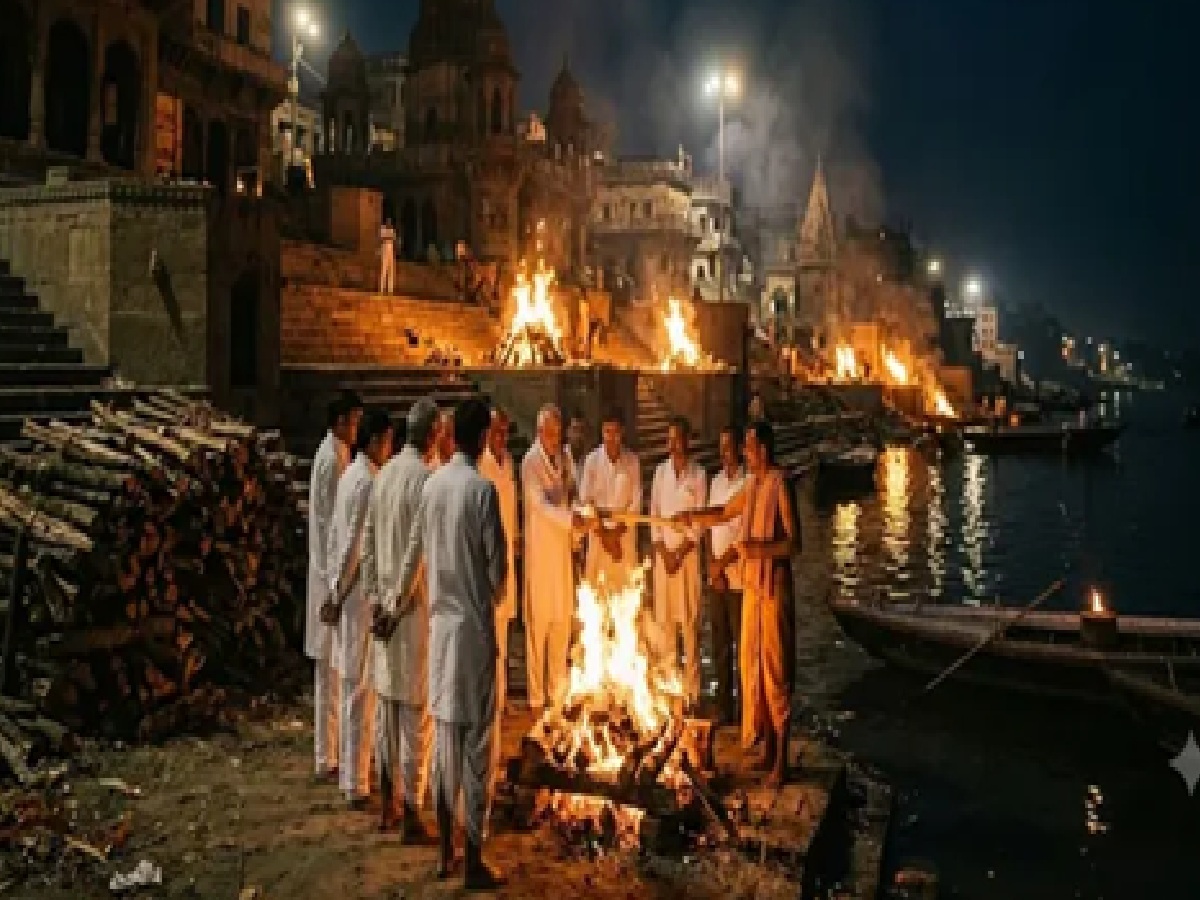
Situated along the banks of the holy Ganges River in Varanasi, Manikarnika Ghat holds an unmatched status as the premier cremation ground in Hinduism. Revered as the ultimate place of liberation, or Moksha Dham, it is one of the rare places in the world where funeral pyres burn continuously—24 hours a day, day and night, without ever extinguishing. Echoed by the constant chanting of "Ram Naam Satya," thousands of families bring their departed loved ones here each year, believing that shedding physical mortal remains on this sacred soil breaks the eternal cycle of rebirth and grants immediate salvation.
Divine Boon: How Lord Vishnu Secured Eternal Protection for Kashi
According to ancient scriptural traditions, the divine sanctity of Kashi (Varanasi) was established through intense penance performed by Lord Vishnu in honor of Lord Shiva. Pleased with his unwavering devotion, Lord Shiva and Goddess Parvati appeared in Kashi and granted a unique boon: the holy city would remain protected and indestructible, surviving even during times of cosmic dissolution (Pralaya). Consequently, it is believed that anyone who passes away in Kashi and undergoes last rites at Manikarnika Ghat receives Lord Shiva's divine grace (Taraka Mantra), liberating the soul permanently from human suffering and rebirth.
The Legend of Sati and the Origin of Manikarnika Kund
The ghat's spiritual lineage is also intricately linked to Goddess Sati and the sacred Shakti Peethas. Legend describes how Lord Shiva, overcome with grief after Goddess Sati's self-immolation, carried her mortal form across the universe. A portion of her remains reached this holy site. Furthermore, the Shiva Mahapuran narrates that Lord Vishnu dug a divine bathing pool—known today as Manikarnika Kund—for Shiva and Parvati. While bathing, Goddess Parvati's precious ear ornament (Manikarnika) fell into the water, giving the ghat its immortal name.
The Curse That Fueled a Fire Burning for Centuries
Ancient lore surrounding the recovery of Goddess Parvati's fallen jewelry explains why the flames at Manikarnika Ghat never go out. When Lord Shiva requested a local Brahmin to locate the lost earring from the pool, the man recovered it but kept it out of earthly greed. Infuriated by this deceit, Lord Shiva cursed the spot, decreeing that funeral pyres would burn continuously at the site forever. To this day, the sacred fire kept at Manikarnika Ghat—maintained by the traditional Dom community—has remained active for centuries, fueling every cremation performed on the riverside platform.
Midnight Rites and Scriptural Significance in the Skanda Purana
Unlike conventional Hindu cremation grounds where rites cease after sunset, Manikarnika Ghat operates without pause through the dark of night. The profound spiritual architecture and origin of this ghat are documented extensively in the Kashi Khand section of the ancient Skanda Purana. Detailing the glory of Kashi, the scriptures emphasize that fire at Manikarnika represents the ultimate truth of existence—a peaceful transition of the mortal body into the cosmic elements, serving as a immortal bridge between Earth and spiritual liberation.