Shashthi and Saptami Shraddha Fall on October 2, Auspicious Muhurat
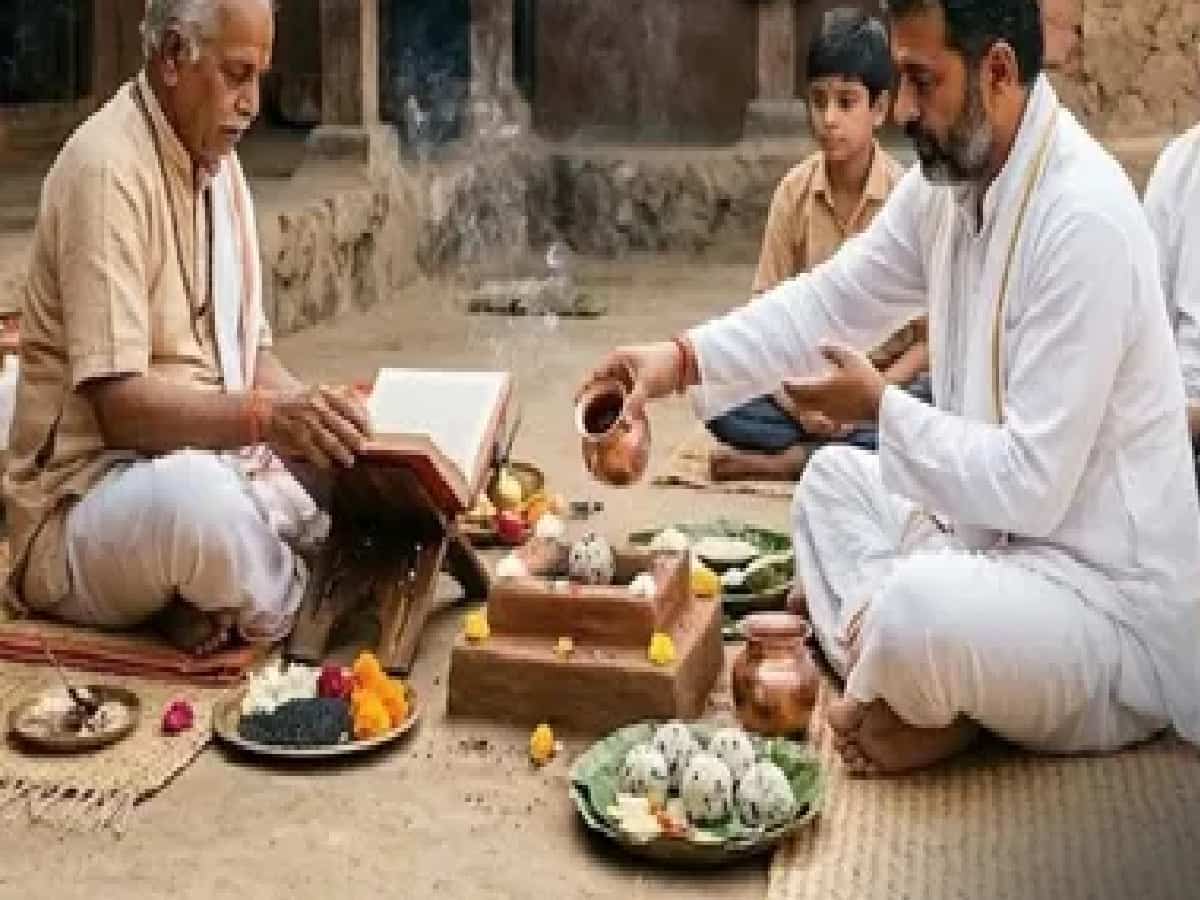
During Pitru Paksha, Hindu households dedicate sixteen days to remembering departed ancestors through sacred oblations, charity, and prayer rituals to grant peace to their souls. This year, the observance spans 15 days instead of the customary 16 days due to "Tithi Kshaya" (the astrological loss or decay of a lunar day), resulting in both Shashthi and Saptami Tithis falling on Friday, October 2. Renowned Ujjain astrologer Pandit Manish Sharma clarified that while planetary movements have brought two lunar dates together, families need not worry, as Shraddha rituals for ancestors who passed away on either tithi can be performed harmoniously during the designated auspicious afternoon windows on October 2.
Auspicious Timings for Tarpan and Shraddha Rituals
Performing Tarpan, Pind Daan, and offering food during specific astronomical windows is vital to ensure ancestors receive spiritual satisfaction. Shraddha rituals should always be conducted during the afternoon Muhurats rather than morning hours. For October 2, the primary auspicious time intervals are:
-
Kutup Muhurat: 11:31 AM to 12:36 PM
-
Rohini Muhurat: 12:32 PM to 01:20 PM
-
Aparahna Kaal (Afternoon Period): 01:20 PM to 03:45 PM
The Aparahna Kaal and Kutup Muhurat remain the most recommended windows to offer water (Arghya) and sesame oblations to ancestors.
Whose Shraddha Should Be Performed on October 2
Under Vedic traditions, Shraddha is strictly observed on the exact lunar Tithi of the person's demise, regardless of the month they passed away. If an ancestor passed away on a Shashthi Tithi and another on a Saptami Tithi, rituals for both can be carried out on October 2. Astrological scholars note that while variations across regional panchang calendars led some devotees to observe Shashthi rituals on October 1, conducting the combined rites on October 2 is fully recognized and spiritually meritorious for both lunar days.
Step-by-Step Method to Perform Ancestral Tarpan and Pind Daan
To perform Shraddha with devotion, begin the day with a purifying morning bath and don clean, unstitched or traditional garments. Prepare a pure sattvik meal without onion or garlic. Begin the ceremony by invoking Lord Vishnu and family forebears. Perform Tarpan by pouring pure water mixed with black sesame seeds (til), milk, and white flowers over sacred Kusha grass held between the fingers. Prepare Pindas using boiled rice, barley flour, and sesame seeds according to traditional rites. Conclude the ritual by feeding a knowledgeable Brahmin, offering Panchbali (portions for cows, dogs, crows, ants, and deities), and seeking the blessings of the departed souls.