Sharadiya Navratri 2026: Please Maa Durga by Offering These 9 Favorite Bhogs on Each Day
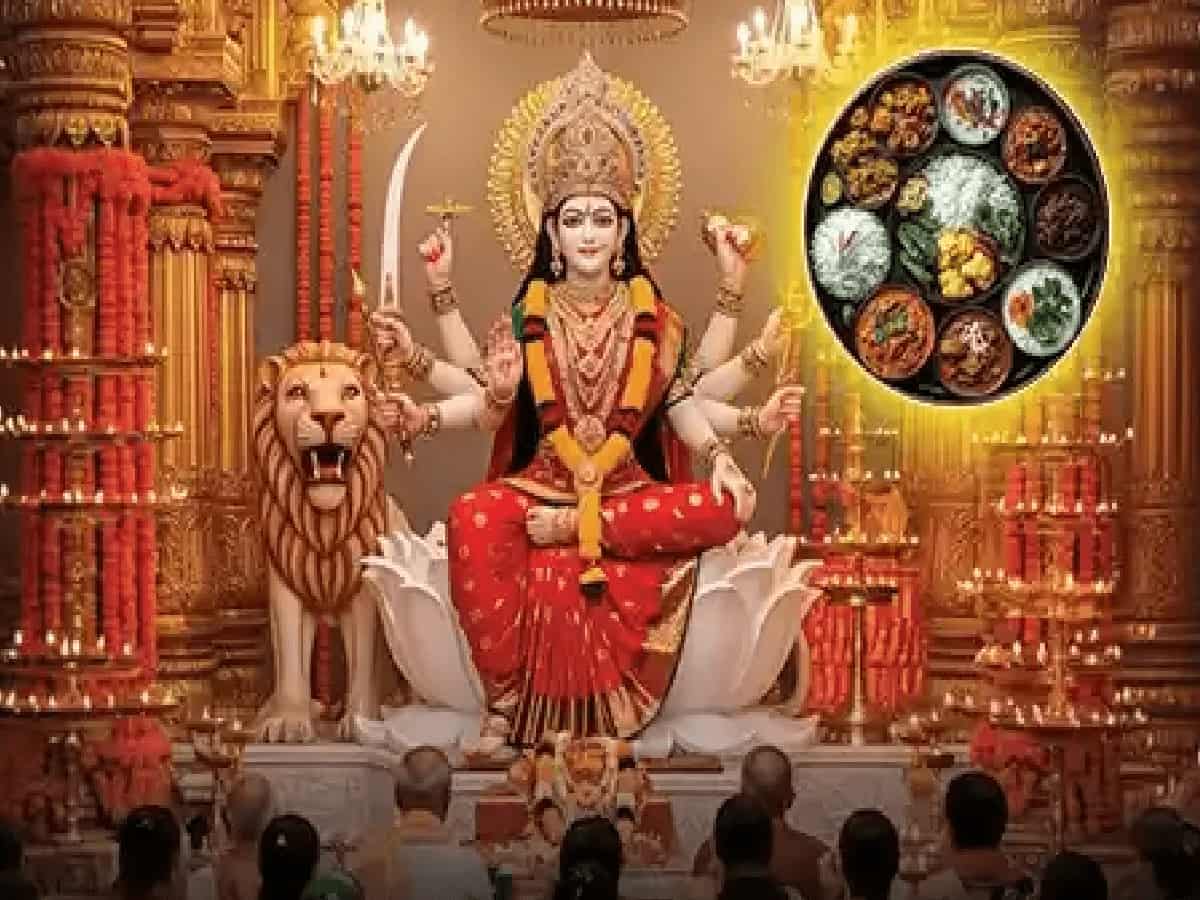
The divine festival of Sharadiya Navratri 2026, commencing on October 11, 2026, holds supreme spiritual significance in Sanatan Dharma. Spanning nine sacred nights, this vibrant celebration is dedicated to worshipping the nine distinct manifestations of Maa Durga. Beyond fasting, daily rituals, and chanting, presenting specific favorite food offerings (Bhog) to each form of the Goddess on their designated day carries profound religious importance. According to Vedic traditions, offering these preferred items pleases the Divine Mother instantly, bestowing peace, health, prosperity, and spiritual fulfillment upon the devotee.
Day 1: Maa Shailputri – Pure Cow Ghee
The auspicious journey of Navratri begins with the worship of Maa Shailputri, the daughter of the mountains and the absolute embodiment of nature:
-
The Auspicious Offering: On the first day, offering pure cow ghee or white sweets prepared from cow ghee to the Goddess is considered highly auspicious, promoting physical well-being and longevity.
Day 2: Maa Brahmacharini – Sugar and Panchamrit
The second day is dedicated to Maa Brahmacharini, the symbol of penance, wisdom, and emotional discipline:
-
The Auspicious Offering: Devotees should offer sugar, sugar candy (mishri), or Panchamrit to the Goddess, which invites her divine grace and ensures the fulfillment of righteous wishes.
Day 3: Maa Chandraghanta – Kheer and Milk Sweets
On the third day, worshippers invoke Maa Chandraghanta, who bestows bravery, grace, and inner equilibrium:
-
The Auspicious Offering: Presenting sweets made from milk or traditional rice kheer is believed to pacify planetary afflictions and relieve mental stress or anxiety.
Day 4: Maa Kushmanda – Malpua
The fourth day celebrates Maa Kushmanda, the creator of the cosmos who radiates warmth and vitality:
-
The Auspicious Offering: Offering traditional Malpua to Maa Kushmanda on this day sharpens intellect, boosts confidence, and enhances decision-making abilities.
Day 5: Maa Skandamata – Bananas
The fifth day belongs to Maa Skandamata, the divine mother of Lord Kartikeya who blesses her children with boundless love and protection:
-
The Auspicious Offering: Offering fresh bananas on this day nurtures family harmony, bringing lasting peace, health, and happiness into the household.
Day 6: Maa Katyayani – Honey
The sixth day is dedicated to Maa Katyayani, the fierce warrior goddess who slays negativity and guides devotees toward righteousness:
-
The Auspicious Offering: Presenting honey as a bhog on this day infuses sweetness into relationships, dispels negativity, and radiates vibrant positive energy.
Day 7: Maa Kaalratri – Jaggery
The seventh night, known as Saptami, is dedicated to the ferocious and protective Maa Kaalratri:
-
The Auspicious Offering: Offering jaggery (gur) or jaggery-based sweets during the evening ritual protects devotees from unforeseen troubles and removes obstacles.
Day 8: Maa Mahagauri – Coconut and Coconut Sweets
On Ashtami, the eighth day, worshippers revere Maa Mahagauri, symbolizing purity, serenity, and absolute cleanliness:
-
The Auspicious Offering: Offering a whole coconut or coconut-based sweets is considered highly auspicious, unlocking sudden financial gains and business success.
Day 9: Maa Siddhidatri – Halwa, Puri, and Black Gram
The grand culmination on Mahanavami honors Maa Siddhidatri, the granter of all mystic powers and spiritual accomplishments:
-
The Auspicious Offering: Concluding the festival by offering sesame seeds, traditional halwa, black chickpeas (chana), and puris brings transformative, auspicious changes and supreme fulfillment to the devotee's life.