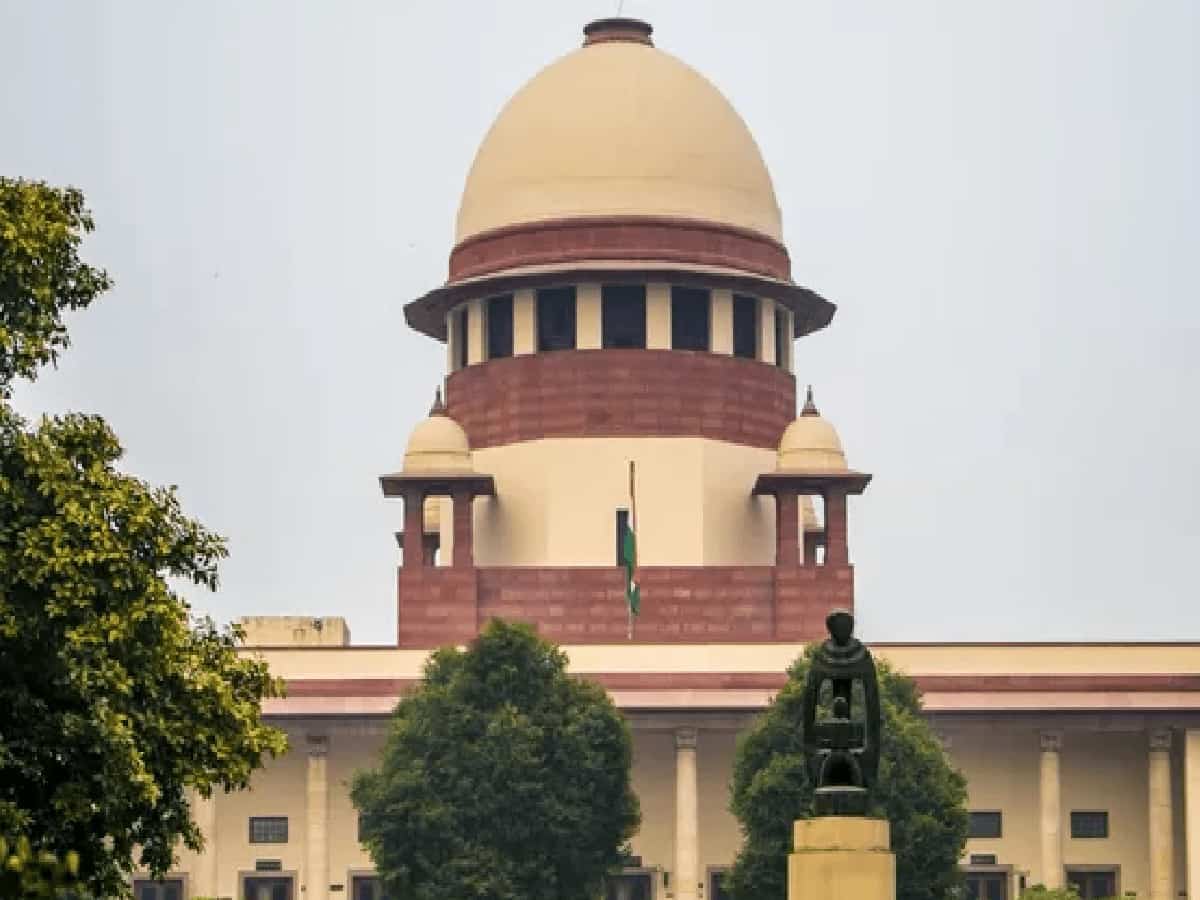
Supreme Court Balances Citizen Rights and Public Restrictions Over Delhi's October 10 Protest
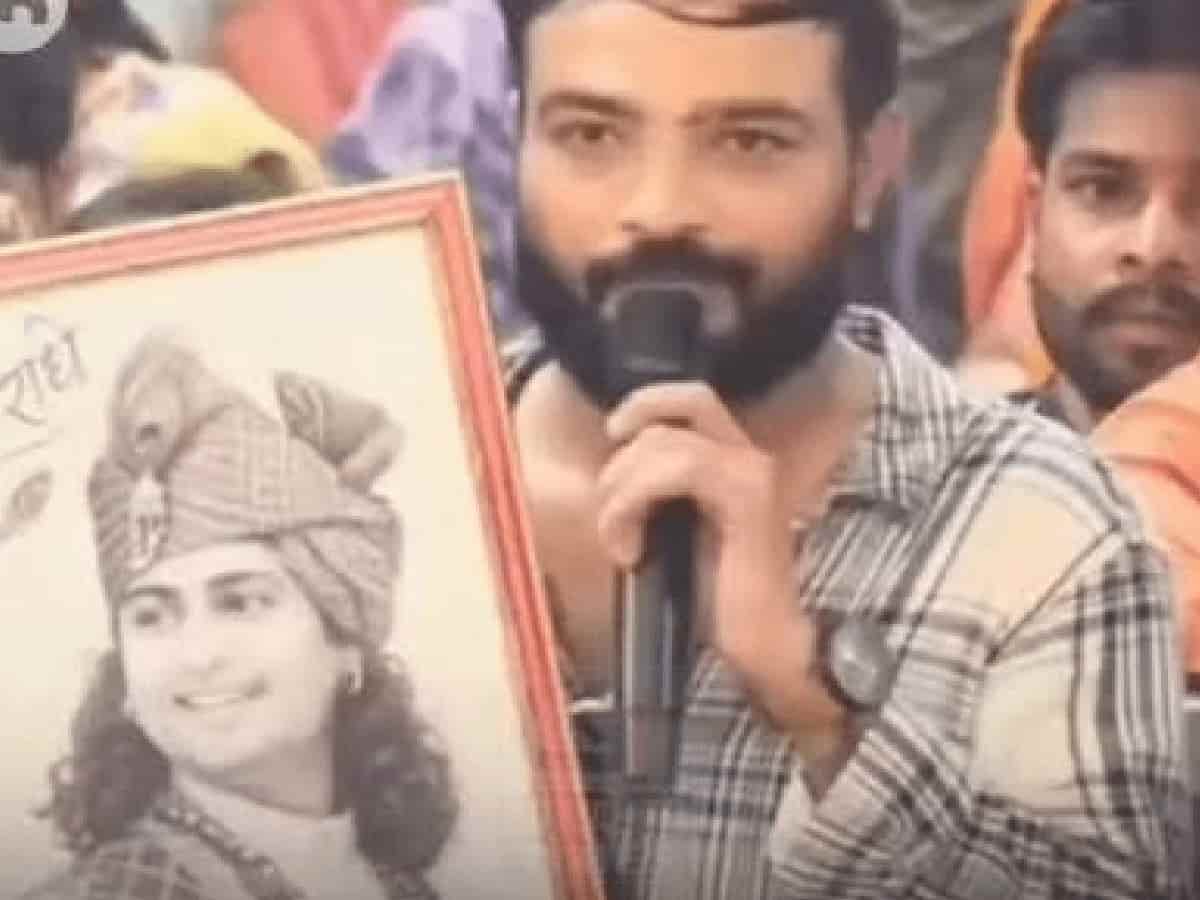
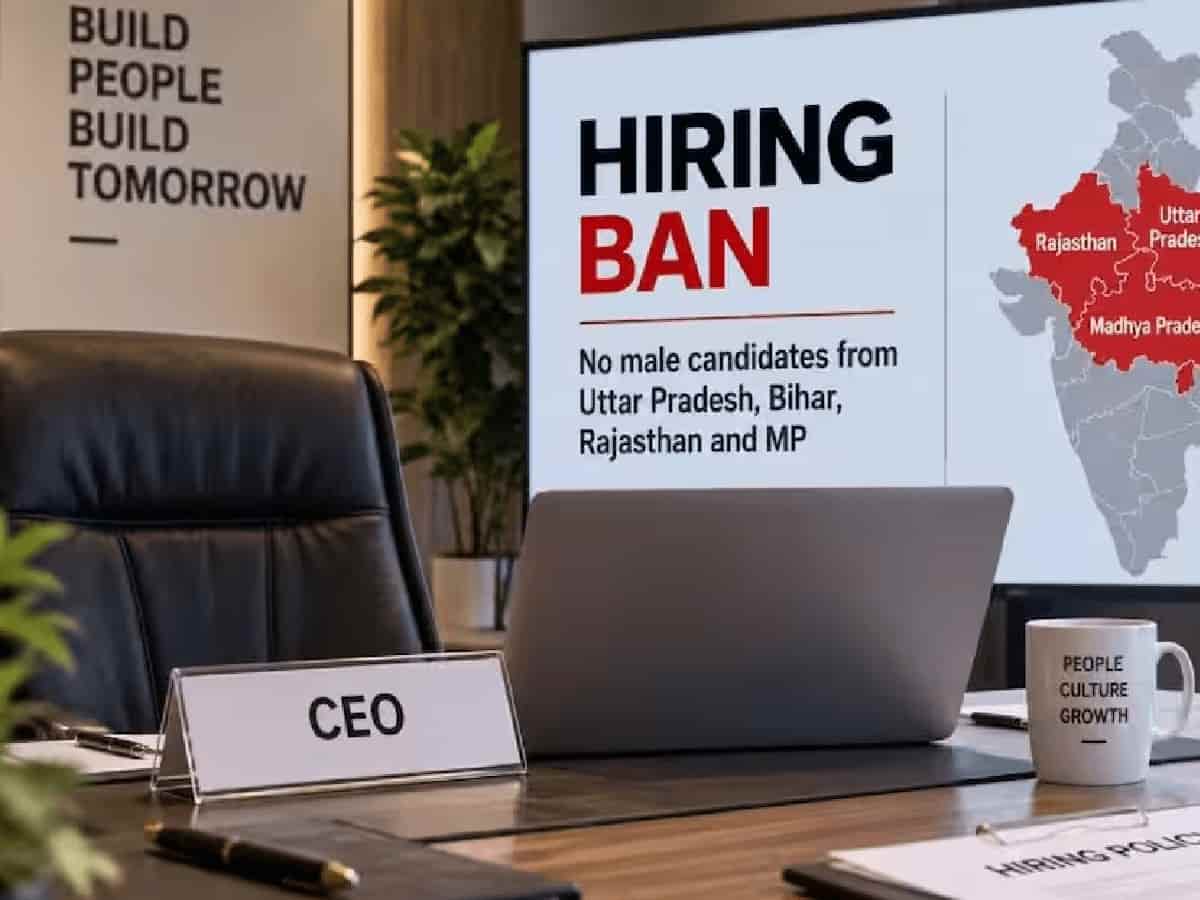
The intense political and administrative fallout surrounding the upcoming Cockroach Janata Party (CJP) protest scheduled for October 10, 2026, has officially reached the Supreme Court of India. Following heavy administrative clampdowns—including the closure of 57 metro stations across Delhi and the halting of incoming trains—legal challenges were swiftly brought before the apex court to address widespread commuter disruption and freedom of assembly.
Supreme Court Examines Delhi's Massive Restrictions
Appearing before a bench headed by Chief Justice of India (CJI) Surya Kant and Justice Joymalya Bagchi, senior advocate and MP Kapil Sibal strongly objected to the severe travel curbs. Highlighting the plight of stranded citizens, Sibal argued: "All trains have been cancelled, metro stations are closed. You can't go anywhere. What is happening to my country? This is a peaceful protest." Adding to the critique, senior advocate Gopal Shankarnarayanan remarked that the entire city should not be paralyzed due to administrative overreaction.
"Protesting Without Permission is Not Legal": The Bench's Observation
While addressing the petitioners, Justice Joymalya Bagchi upheld the constitutional right to assemble and protest, while firmly establishing legal boundaries:
-
Exercise Within the Law: The bench observed that while citizens possess the fundamental right to form associations and protest, such actions must operate strictly within the ambit of the law.
-
Legality and Risk: Noting that peaceful protests carried out with official permission represent legal assemblies, the court stressed that unpermitted demonstrations are conducted entirely at the organizers' own risk.
Striking a Balance Between Protests and Public Mobility
The apex court emphasized the critical necessity of striking a fair balance between upholding democratic rights and safeguarding the daily movement of ordinary citizens: "If we ban this, we will also ban the organization. Would that be right? No, because there is a right to protest!"
Addressing the absence of formal representation from the opposing administrative side during the urgent hearing, the Supreme Court directed the petitioners to furnish complete ground information and details regarding the restrictions, ensuring comprehensive judicial review.