Supreme Court Sharply Rebukes Delhi Government and Centre Over Metro
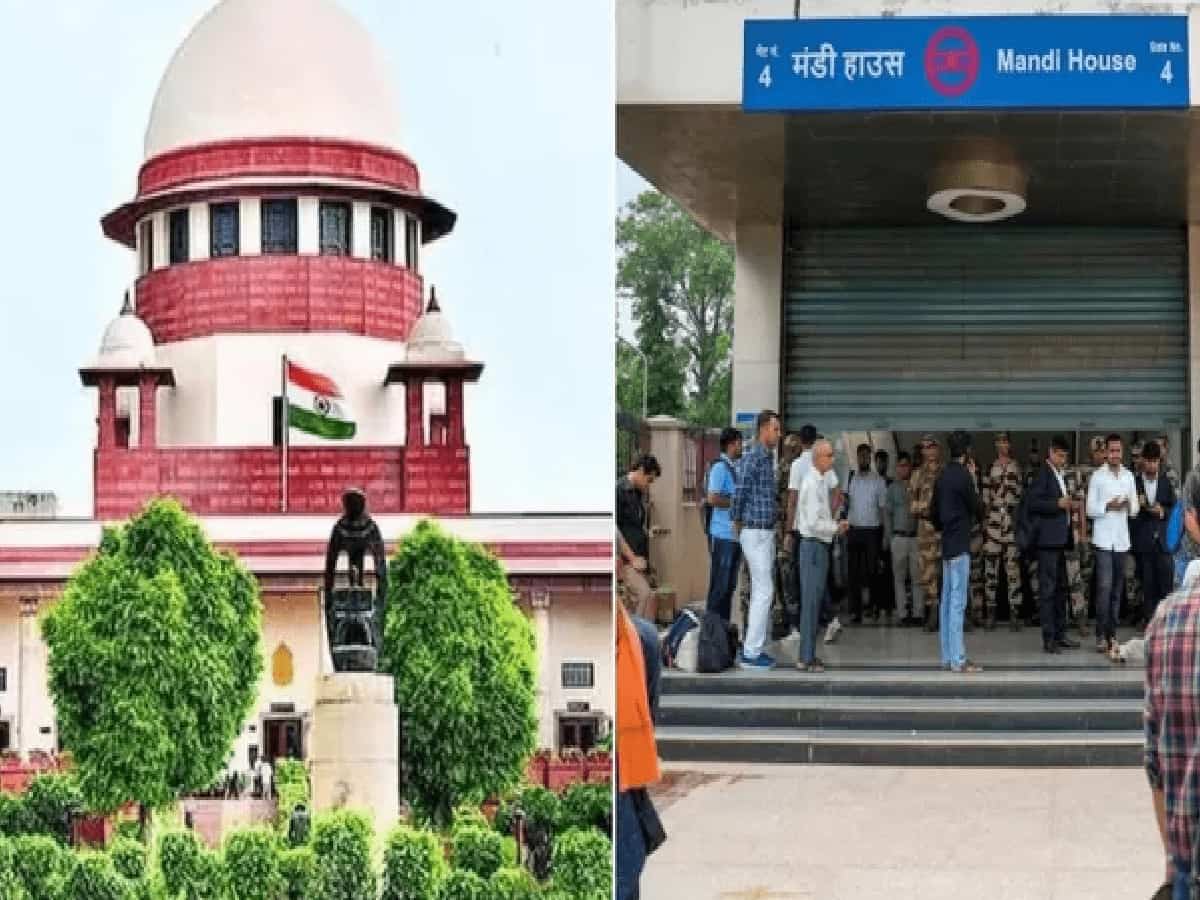
In a sharp and decisive rebuke, the Supreme Court of India has strongly criticized the severe restrictions imposed on metro stations, traffic movement, and commuter trains across Delhi ahead of a scheduled protest on October 10, 2026. While acknowledging that maintaining law and order is a primary governmental duty, a bench headed by Chief Justice Surya Kant ruled that authorities cannot deploy excessively harsh measures that resemble using "a hammer to kill a fly," leaving everyday commuters stranded.
Supreme Court Questions Blanket Disruptions
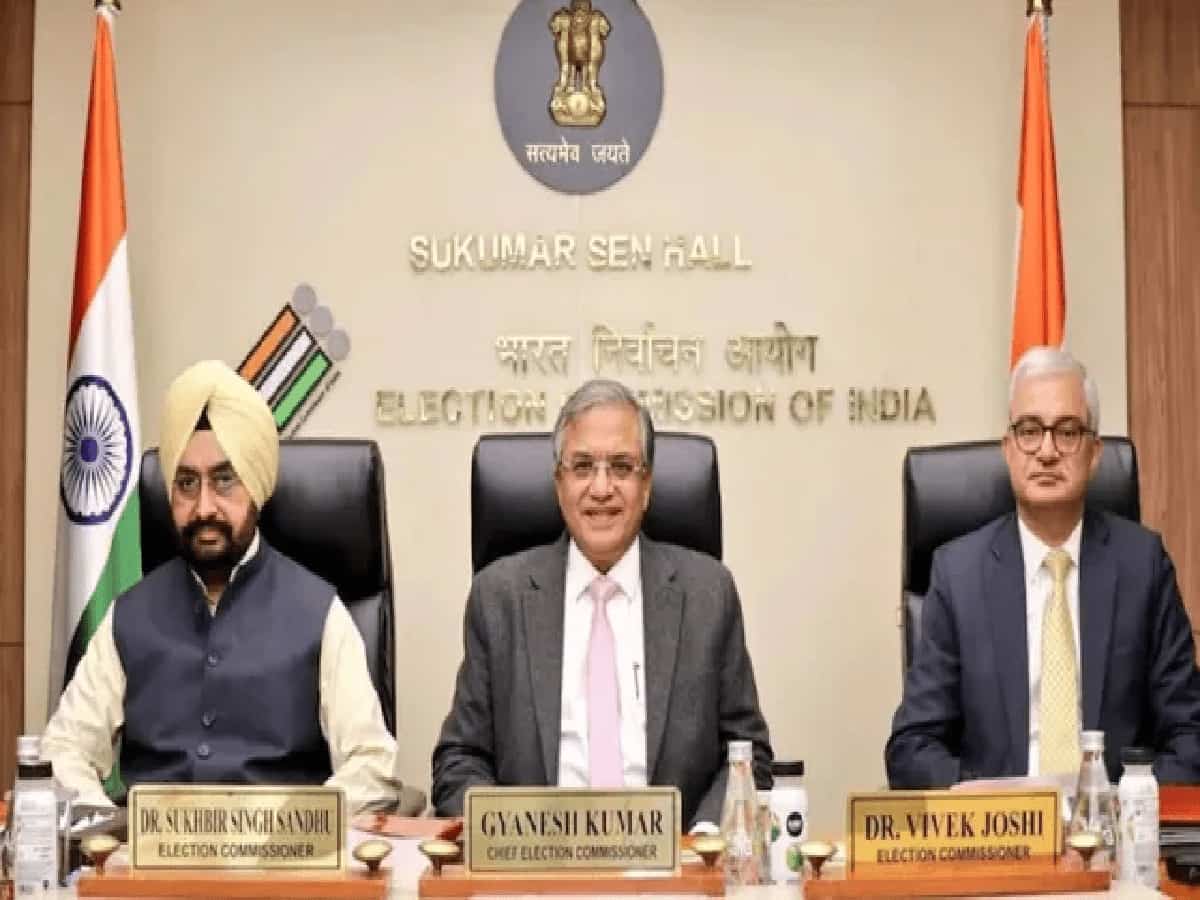
The legal scrutiny follows strict security measures and barricades implemented across the national capital in anticipation of a protest at Jantar Mantar against the Chief Election Commissioner on October 10. Questioning the Delhi Police and administrative actions of shutting down vital metro stations, blocking roads, and interrupting regional train services, the apex court emphasized that public mobility cannot be completely paralyzed.
-
Impact on Daily Commuters: The bench expressed deep concern for thousands of working professionals, students, patients, and senior citizens commuting daily into Delhi from neighboring hubs like Gurugram, Greater Noida, and Noida.
-
Direct Judicial Warning: The Supreme Court directed the government to drastically scale back station closures and immediately review ongoing restrictions to minimize public hardship.
"Not Everyone Has a Car": Protecting Public Transport
Underscoring the plight of common citizens who rely entirely on mass transit, Chief Justice Surya Kant remarked during the hearing: "Not everyone has a car... You cannot stop everything and leave people without transport facility."
The Supreme Court explicitly ordered the central government and transit authorities to ensure that metro operations and incoming train services to Delhi are not subjected to a blanket suspension. Reiterating that public transit lifelines must remain functional, the court clarified that no total ban on metro operations will be permitted. The matter has been scheduled for its next hearing on Monday, keeping judicial oversight active over civil movement and security protocols.