







Sharad Purnima 2026: Exact Time to Eat Moonlight Kheer and the Ancient Amrit Secret
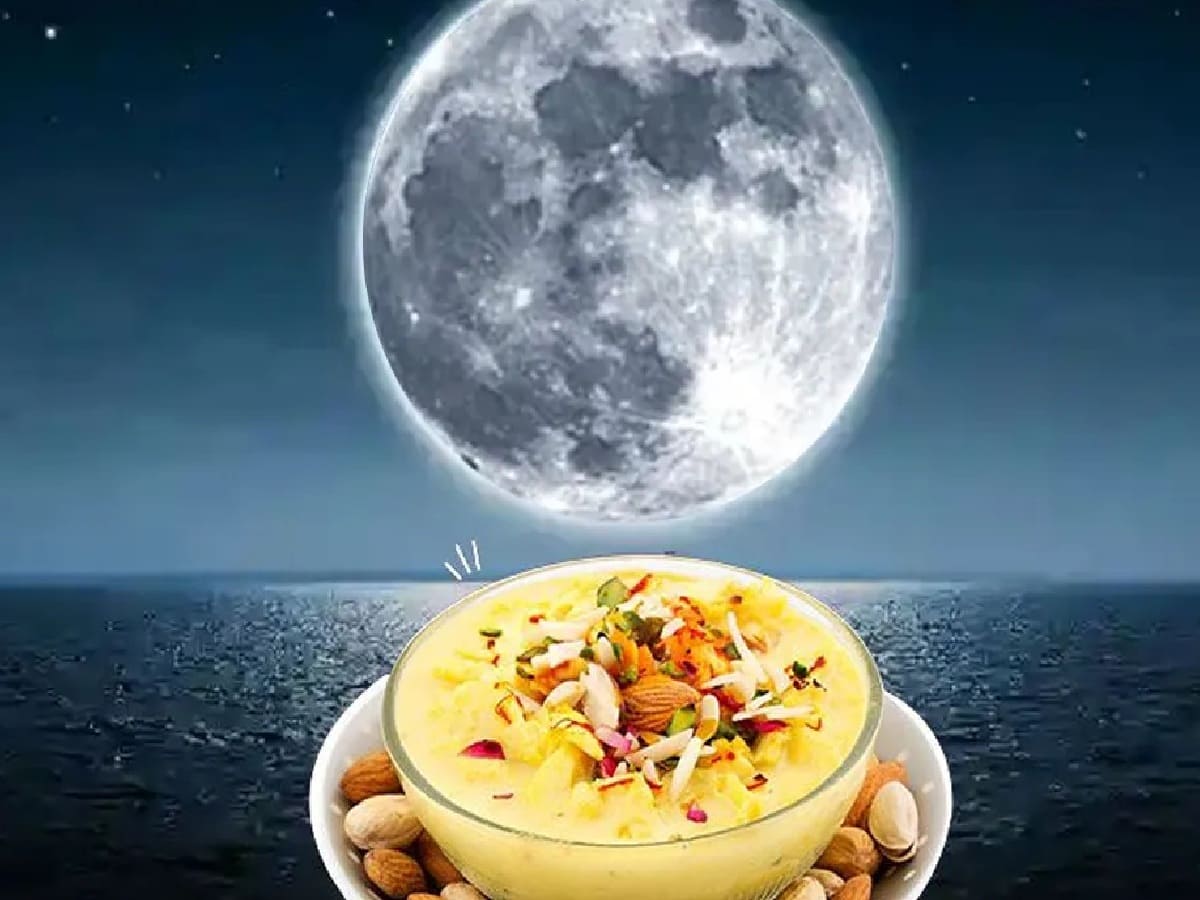
The celestial skies will illuminate in their purest, most radiant glory on Sunday, October 25, 2026, as millions of devotees across India observe the sacred fast of Sharad Purnima, an auspicious occasion marked by the culmination of the Ashwin full moon. Revering this day as the divine manifestation of Goddess Lakshmi—celebrated across eastern and northern traditions as Kojagar Purnima or Lakshmi Prakatya Diwas—households invoke the joint blessings of Goddess Lakshmi and Lord Vishnu through strict fasting and meditative devotion. Central to this autumnal festival is the ancient Vedic practice of preparing sweet rice pudding (kheer) and keeping it exposed under the open midnight sky. According to classical scriptures and Ayurvedic wisdom, Sharad Purnima is the sole night of the year when the moon displays all sixteen phases of cosmic radiance (shodasha kala), releasing healing lunar rays that transform the dairy-based offering into an elixir-like prasad capable of soothing bodily humors and curing chronic ailments.
The 4 AM Pre-Sunrise Rule: When Should You Actually Consume the Sacred Kheer
While modern convenience often leads devotees to consume the offering within an hour or two of moonlight exposure, traditional astrological and scriptural tenets prescribe a precise window for its consumption. Vedic texts emphasize that the kheer must bathe undisturbed beneath the unobstructed lunar glow throughout the entire night to absorb the maximum concentration of cooling photonic energy and medicinal condensation. To preserve its consecrated potency, the energized pudding should strictly be eaten the following morning during the sacred twilight of Brahma Muhurta around 4:00 AM, well before the first rays of the rising sun touch the earth. Exposure to direct solar heat and daylight is believed to rapidly neutralize the delicate lunar nectar (amrit-tulya qualities), making early morning consumption essential. Families traditionally break their ritual fast at dawn by distributing this charged prasad among all household members, ensuring that young and old alike partake in its rejuvenating properties.
Cosmic Elixir and Lakshmi Prakatya: Healing Moonlight Baths and Nightlong Vigil
The spiritual significance of Sharad Purnima extends far beyond the consumption of sweet rice, anchoring itself in the cosmic balance of nature during the post-monsoon seasonal shift. Because Goddess Lakshmi is believed to traverse the earthly realm on this night asking "Ko Jagarti" (Who is awake?) to bless those remaining vigilant in prayer, offering her favorite dairy and rice delicacies is regarded as an infallible remedy for domestic poverty and astrological stress. In parallel to the culinary ritual, another deeply rooted healing tradition involves placing large earthen or silver pots of drinking water under the open sky alongside the kheer. Devotees use this moonlight-charged water to bathe during Brahma Muhurta the next morning, a therapeutic practice believed to alleviate skin disorders, soothe respiratory distress, and clear heavy bodily toxins. By blending ancient astrological science with heartfelt religious observance, the Sharad Purnima kheer ritual remains one of India’s most enduring traditions of cosmic healing and maternal abundance.




