







Pradosh Kaal Secret: Ravana Dahan Must Take Place at Twilight on Dussehra 2026
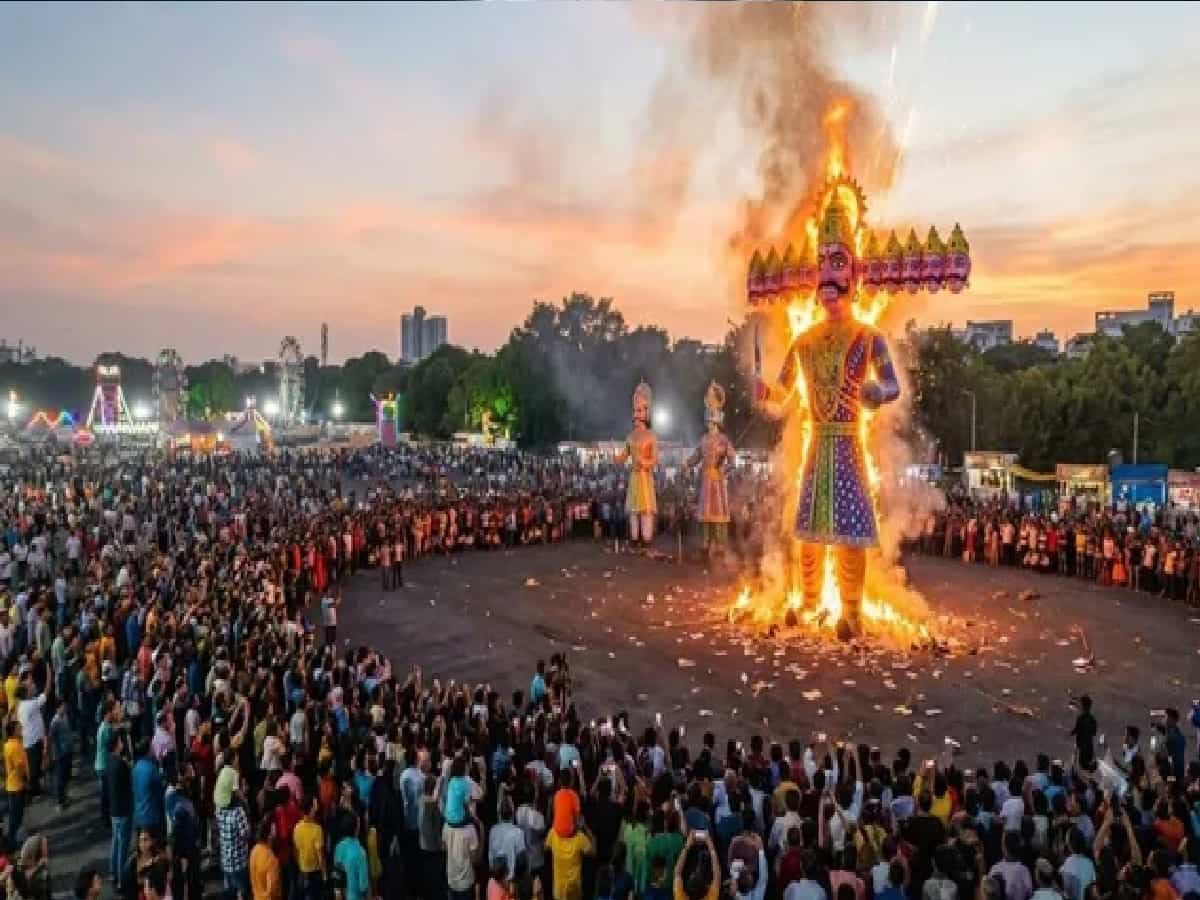
Across Ramlila grounds throughout India on Tuesday, October 20, 2026, millions of devotees have gathered to celebrate Vijayadashami, an auspicious festival observed on the tenth day (Dashami tithi) of the bright fortnight of the Hindu lunar month of Ashwin. Commemorating Lord Rama’s triumph over the demon king Ravana to liberate Mata Sita, the festival culminates in the ceremonial burning of towering effigies of Ravana, Kumbhakarna, and Meghnada to mark the victory of dharma over adharma. However, unlike routine festivities, the exact timing of Ravan Dahan is governed by strict astrological calculations: priests and organizers ensure that the fire arrows are launched exclusively during Pradosh Kaal—the sacred twilight window around sunset. Far from a mere scheduling convenience, timing this ritual at dusk is an ancient Vedic practice designed to neutralize dark metaphysical forces at the exact moment daylight yields to evening.
Neutralizing Nocturnal Shadows: The Cosmic Battle Between Twilight and Demonic Energies
In classical Vedic astrology, Pradosh Kaal designates the delicate cosmic threshold where day meets night, often referred to as Sandhyakaal or Godhuli Vela. Astrological treatises consider undertakings executed during this interlude to be exceptionally auspicious and destined for success, particularly when aimed at uprooting hostility or resolving conflict. Scriptural lore explains that negative, tamasic, and malevolent energies gain exponential potency once the sun dips below the horizon and the darkness of night takes hold. By torching the effigies of Ravana precisely during Pradosh Kaal, society symbolically and energetically cleanses the atmosphere before nocturnal demonic influences can settle over the landscape. Lighting the blazing fires during the twilight cusp acts as an energetic firebreak, eradicating symbolic evil while ensuring that the collective consciousness enters the evening enveloped in protective spiritual light.
The Mahadev Connection: Essential Shiva Puja and Rudrabhishek Rituals at Twilight
Beyond witnessing the fall of Lanka's monarch, Pradosh Kaal holds immense independent spiritual sanctity in Sanatana Dharma as the most fruitful period for worshipping Lord Shiva. Because Ravana was historically an ardent devotee of Mahadev whose tragic downfall arose from unchecked hubris, appeasing Shiva during this twilight window carries profound significance for eliminating personal ego and domestic obstacles. Astrologers and Vedic scholars advise devotees to perform Rudrabhishek on the sacred Shivling during Pradosh Kaal utilizing an offering of raw cow milk, sanctified Ganga water, curd, and pure honey. Devotees should present sacred Belpatra, wild Bhang, Datura, and fragrant white blossoms to the deity, followed by lighting a pure cow ghee lamp at home or inside a local Shiva temple. Concluding the twilight hour by chanting the panchakshari mantra "Om Namah Shivaya" using a string of consecrated Rudraksha beads is believed to dissolve negative planetary afflictions and bestow lasting peace, protection, and mental clarity.




