







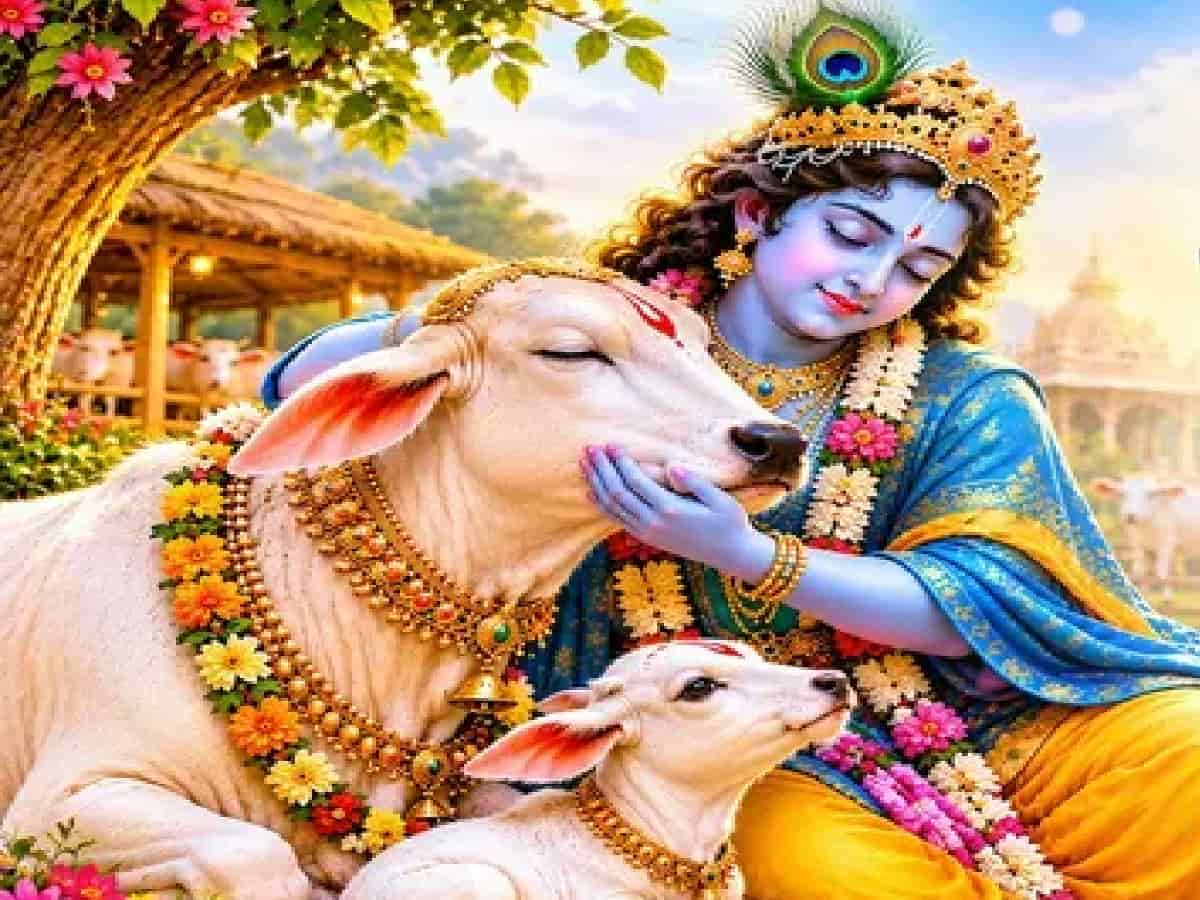
November 17 Panchang & Gopashtami 2026: Puja Muhurat, Yoga & Rahukaal
Tuesday, November 17, 2026, marks one of the most auspicious spiritual observances of the Kartik month in the Hindu Vedic calendar—Gopashtami, celebrated on the eighth lunar day (Ashtami Tithi) of the waxing moon (Shukla Paksha). According to traditional Panchang calculations, this year's Gopashtami arrives alongside a highly favorable alignment of Dhanishtha Nakshatra (which prevails through the entire day and night until 04:34 AM on November 18) and the consecutive auspicious yogas of Vriddhi Yoga (until 07:54 AM) followed by Dhruva Yoga, creating an uplifting celestial window for Gau Puja (cow worship), charity, and spiritual discipline. Revered across Sanatan Dharma as the sacred day when young Lord Krishna and Balarama began tending cows in Vrindavan—and also celebrated in Puranic tradition as the day Lord Indra humbled his pride after seven days of torrential rain over Govardhan Hill—Gopashtami invites devotees to worship Gau Mata for peace, prosperity, and household harmony. While Abhijit Muhurat (11:44 AM to 12:27 PM) and Amrit Kaal (05:11 PM to 06:56 PM) offer prime windows for worship and evening gau seva, observers should carefully avoid initiating new auspicious undertakings during Rahukaal (02:46 PM to 04:06 PM), Yamaganda, and Gulikaal. For devotees, temple priests, astrologers, and readers across New Delhi, Lucknow, Mathura, Vrindavan, Barsana, Govardhan, Ayodhya, Varanasi, Prayagraj, Kanpur, Jaipur, and Mumbai, consulting today's detailed Panchang ensures that rituals, donations, and prayers on Gopashtami align harmoniously with Vedic timekeeping.
Complete Panchang for Tuesday, November 17, 2026 (Gopashtami Special)
To help devotees plan their morning prayers, gaushala visits, and evening aarti accurately, below are the verified Vedic Panchang elements, solar and lunar timings, and planetary positions for November 17, 2026 (IST):
| Panchang Category | Parameter | Exact Timing / Astrological Detail (Nov 17, 2026) |
| Lunar Calendar & Tithi | Month & Paksha | Kartik Month, Shukla Paksha (Waxing Fortnight) — Gopashtami |
| Ashtami Tithi | Began 04:19 AM (Nov 17); continues until 06:04 AM on Nov 18, followed by Navami Tithi | |
| Nakshatra, Yoga & Karana | Nakshatra | Dhanishtha until 04:34 AM (Nov 18), followed by Shatabhisha |
| Yoga | Vriddhi Yoga until 07:54 AM, followed by Dhruva Yoga | |
| Karana | Vishti (Bhadra) until 05:17 PM, followed by Bava until 06:04 AM (Nov 18) | |
| Sun, Moon & Planetary Signs | Sunrise & Sunset | Sunrise: 06:45 AM | Sunset: 05:27 PM |
| Moonrise & Moonset | Moonrise: 12:53 PM | Moonset: 12:06 AM (Nov 18) | |
| Surya & Chandra Rashi | Sun in Scorpio (Vrishchika); Moon in Capricorn (Makara) until 03:30 PM, then enters Aquarius (Kumbha) | |
| Auspicious Muhurats | Abhijit Muhurat | 11:44 AM to 12:27 PM (Prime midday window for Lord Krishna and Gau Puja) |
| Amrit Kaal | 05:11 PM to 06:56 PM (Auspicious evening twilight window for gau seva and aarti) | |
| Inauspicious Periods | Rahukaal | 02:46 PM to 04:06 PM (Avoid starting new auspicious ventures or major transactions) |
| Gulikaal & Yamaganda | Gulikaal: 12:06 PM to 01:26 PM | Yamaganda: 09:25 AM to 10:46 AM |
Astrological Significance of Dhanishtha Nakshatra and Vriddhi-Dhruva Yogas
In Vedic astrology, Dhanishtha Nakshatra—spanning Capricorn and Aquarius and governed by Mars (Mangal) as its planetary lord, with Saturn (Shani) ruling Capricorn and Aquarius, and the Ashta Vasus (deities of material abundance and wellbeing) presiding over it—is symbolized by a flute or drum (dholak), resonating closely with Lord Krishna's sacred flute. People born under Dhanishtha are traditionally associated with independent thinking, healing abilities, principled determination, and steady focus. Paired with Vriddhi Yoga (symbolizing growth and expansion) in the early morning and Dhruva Yoga (symbolizing stability and permanence) for the remainder of the day, November 17 creates an exceptionally supportive spiritual atmosphere for acts of charity, gratitude, and devotion.
Why Gopashtami Is Celebrated Across Braj and India
Known in classical scriptures as Gopa Ashtami or Goshtami, Gopashtami is celebrated with grand devotion across Mathura, Vrindavan, Govardhan, and the entire Braj region. According to sacred Puranic lore, when Lord Indra unleashed seven days of relentless storms upon Braj after villagers worshipped Govardhan Hill instead of him, Lord Krishna sheltered the people and their cattle beneath Govardhan Mountain balanced effortlessly on his little finger. On the eighth day—Kartik Shukla Ashtami—Indra recognized Krishna's supreme divinity, halted the downpour, and sought forgiveness, while celestial cow Surabhi bathed Krishna in milk and bestowed upon him the title Govinda ("Protector of Cows"). Worshipping, feeding green fodder and jaggery to, and respectfully circumambulating Gau Mata on this day is believed to invoke lasting peace, prosperity, and divine grace.




