







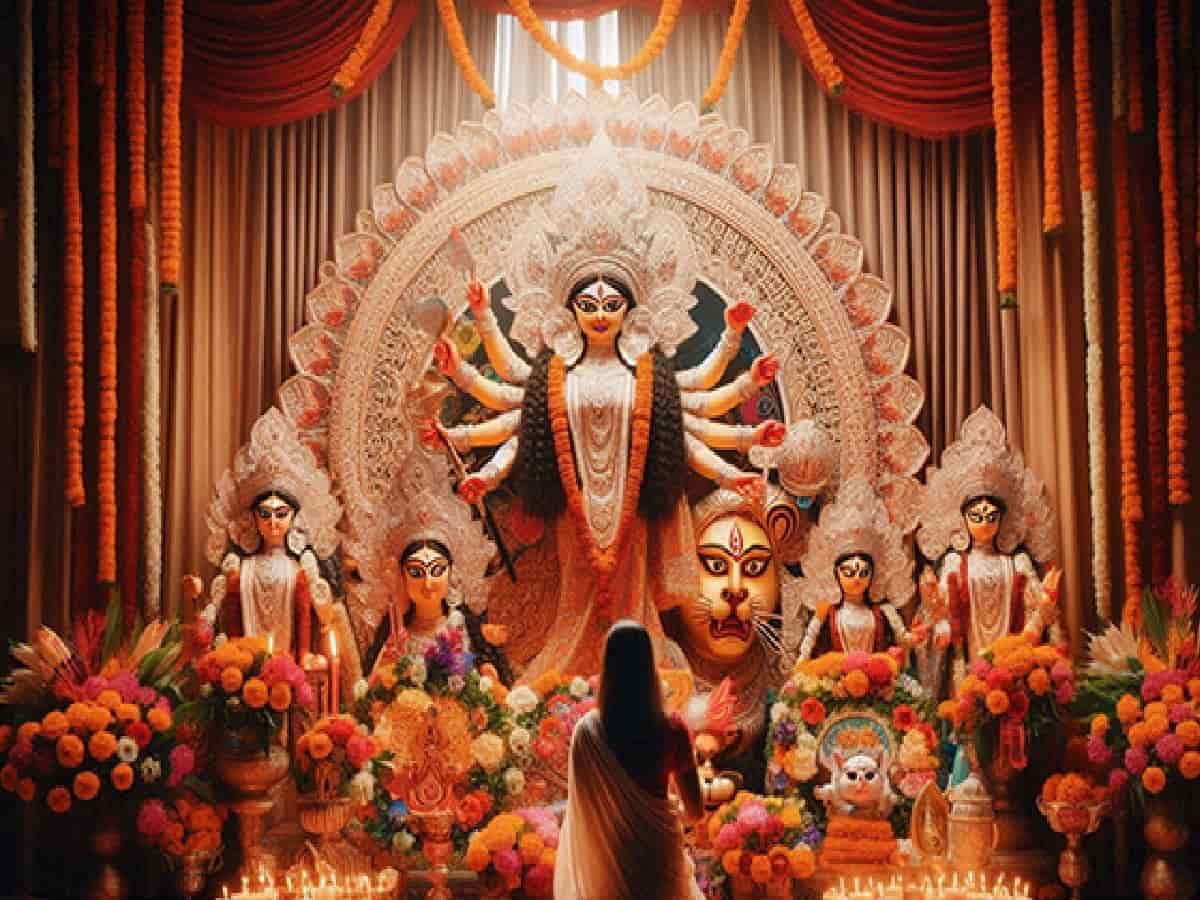
Navratri Blessings: Why Chanting Durga Saptashati’s Argala Stotra Fulfills Every Wish
During the sacred nine days of Sharadiya Navratri in the holy month of Ashwin, millions of devotees immerse themselves in intense devotional observances and strict fasting to appease Goddess Durga across her nine divine manifestations before concluding the grand festival on Vijayadashami (Dussehra). While Hinduism marks four distinct Navratris across the calendar year, Sharadiya Navratri holds an unparalleled spiritual pre-eminence, drawing spiritual seekers toward the sacred text of the Sri Durga Saptashati (also known as the Devi Mahatmya from the Markandeya Purana), which chronicles the supreme glory, divine battles, and cosmic exploits of the Goddess. However, according to scriptural injunctions, the systematic recitation of this sacred scripture follows a precise esoteric sequence: devotees must first chant the protective Devi Kavacham, immediately followed by the powerful Argala Stotram, before opening the core thirteen chapters of the text, ensuring their prayers unlock the full spectrum of divine grace.
Unlocking Divine Grace: Why the Argala Stotram Is Crucial Before Saptashati
The fundamental importance of the Argala Stotra is intrinsically embedded in its name, where "Argala" literally translates to the mystical bolt, key, or pioneer that unlocks barriers and removes insurmountable obstacles from a devotee's path. Considered indispensable during the nine days of Navratri or when undertaking any major endeavor, this revered hymn composed by Sage Markandeya addresses Goddess Chandika and Mother Bhagwati directly, invoking her ferocious aspects—including Chamunda, Kalratri, Jayanti, Mangala, Kali, Bhadrakali, Kapalini, Durga, Kshama, Shiva, Dhatri, Swaha, and Swadha—to annihilate internal and external adversaries while liberating the worshiper from accumulated sins and karmic debt. Central to the hymn is the celebrated, reverberating refrain "Rupam Dehi, Jayam Dehi, Yasho Dehi, Dwisho Jahi" (Grant me divine spiritual beauty, bestow victory, confer enduring renown, and destroy all opposing hostile forces), which is repeatedly chanted as the devotee recalls the Goddess’s historic triumphs over terrifying demonic forces such as Madhu-Kaitabha, Mahishasura, Raktabeeja, Chanda-Munda, and Shumbha-Nishumbha.
The Potent Mantras for Health and Wisdom: Comprehensive Benefits of Recitation
Beyond delivering victory in personal battles, the 25 verses of the Argala Stotra function as a comprehensive petition for holistic human well-being, imploring the Divine Mother for good fortune (Saubhagya), robust health and the eradication of chronic illnesses (Arogya), boundless spiritual contentment (Param Sukham), unmatched physical and mental fortitude (Balamuchchakaih), and supreme prosperity (Parama Shriyam). The verses highlight that the Goddess’s lotus feet are venerated by all celestial beings, demigods, and sages, including Lord Brahma, Lord Vishnu (Krishna), Lord Shiva (Himachalasutanatha), and Indra, while seeking the boons of scholarly knowledge (Vidyavantam), widespread fame (Yashasvantam), and abundant wealth (Lakshmivantam). For domestic harmony, the hymn includes dedicated stanzas praying for a noble, charming, and like-minded life partner capable of helping navigate the turbulent ocean of worldly existence (Patneem Manoramam Dehi...). The concluding Phalashruti declares that anyone who recites the Argala Stotra before commencing the primary Durga Saptashati attains inexhaustible wealth, immense courage, and moral wisdom, while absorbing virtues of empathy and selflessness. By actively embodying the eternal triumph of righteousness over injustice, reciting this sacred stotra stands as a powerful spiritual practice for anyone seeking spiritual protection and complete wish fulfillment throughout Sharadiya Navratri.




