







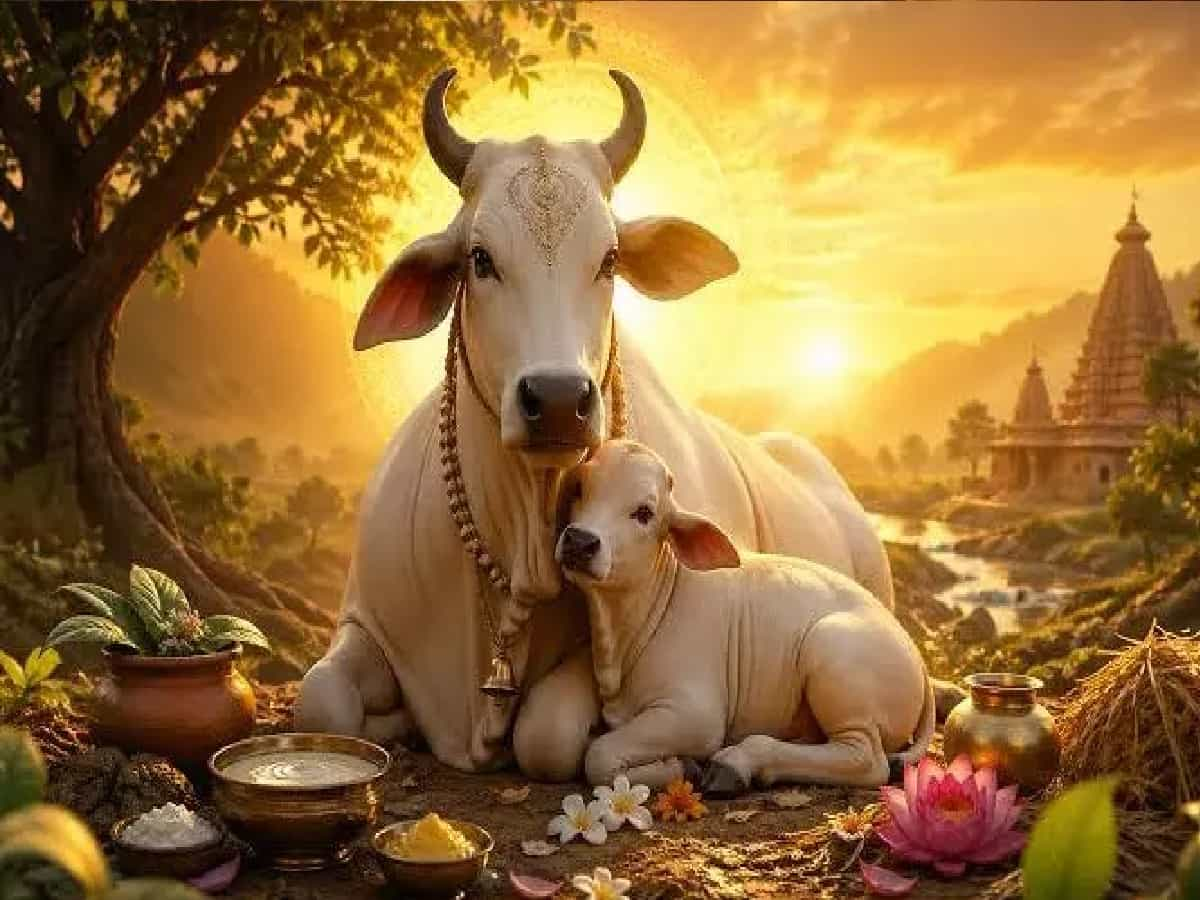
Gopashtami 2026: Should You Do 7 or 11 Parikramas of Mother Cow
Observed across India on Tuesday, November 17, 2026, the sacred festival of Gopashtami—falling on the eighth lunar day (Ashtami Tithi) of the bright fortnight (Shukla Paksha) in the Hindu month of Kartik—holds deep spiritual and cultural reverence in Sanatan Dharma. According to the Srimad Bhagavatam (Canto 10, Chapter 15) and sacred Braj traditions, Gopashtami commemorates the auspicious day when young Lord Krishna and his elder brother Balarama graduated from tending calves to herding full-grown cows in the pastures of Vrindavan. Because Hindu scriptures affirm that 33 koti (33 supreme categories of) gods and goddesses reside within Gau Mata (Mother Cow), worshipping, feeding, and circumambulating a cow on Gopashtami is believed to bestow the combined blessings of all deities as well as the spiritual merit of visiting every sacred pilgrimage site. Among the questions devotees most frequently ask on this auspicious day is whether performing 7 or 11 circumambulations (parikramas) around Mother Cow is more auspicious, and which direction one should face when beginning the ritual. According to traditional Hindu Panchang guidelines and religious scholars, both 7 and 11 parikramas are considered highly auspicious after bathing, decorating, and worshipping Gau Mata—and devotees should begin their clockwise circumambulation while facing either East or North. Following this prescribed procedure, concluding with offerings of fresh green fodder, jaggery (gur), and rotis, is said to relieve mental stress, dispel household negativity, sweeten family relationships, and bring prosperity. For devotees, temple visitors, gaushala volunteers, and readers across New Delhi, Mathura, Vrindavan, Barsana, Govardhan, Ayodhya, Varanasi, Prayagraj, Lucknow, Kanpur, Jaipur, and Mumbai, observing Gopashtami with mindful care and scriptural etiquette elevates simple gau seva into a deeply fulfilling spiritual practice.
Gopashtami 2026 Date, Kartik Shukla Ashtami Tithi, and Auspicious Muhurats
Per the Vedic Panchang (New Delhi IST reference), Kartik Shukla Ashtami spans sunrise on Tuesday, November 17, 2026, making Tuesday the primary day for Gopashtami worship, gau puja, and evening godhuli rituals:
| Panchang Parameter / Muhurat | Verified Date & Timings (Tuesday, Nov 17, 2026 – IST) | Ritual Significance |
| Ashtami Tithi Begins | 04:19 AM on November 17, 2026 | Marks the onset of Kartik Shukla Ashtami prior to sunrise. |
| Ashtami Tithi Ends | 06:04 AM on November 18, 2026 | Ensures full-day observance of Gopashtami across Tuesday. |
| Brahma Muhurta | 04:59 AM to 05:52 AM | Ideal early-morning window for sacred bath, sankalp, and home altar prayers. |
| Abhijit Muhurta | 11:45 AM / 11:50 AM to 12:27 PM / 12:33 PM | Universally auspicious midday window for Lord Krishna and gau puja. |
| Vijaya Muhurta | 01:53 PM to 02:36 PM | Favorable afternoon period for temple visits and gaushala donations (gau seva). |
| Godhuli (Twilight) Muhurta | 05:27 PM to 05:53 PM (or up to 06:02 PM) | Sacred "cow-dust hour" when herds return from grazing—prime time for evening aarti and parikrama. |
| Amrit Kaal | 05:11 PM to 06:56 PM | Highly auspicious evening period for lighting ghee lamps and offering jaggery and fodder. |
7 or 11 Parikramas: Which Count and Direction Are Most Auspicious?
In Vedic ritual tradition, numbers carry distinct spiritual symbolism, and both 7 and 11 hold revered significance during Gau Parikrama on Gopashtami:
-
Why 7 Parikramas Are Auspicious: Performing 7 clockwise rounds honors the seven sacred worlds (Sapta Lokas), the seven sages (Saptarishis), and the seven sacred rivers of India, invoking holistic harmony, mental peace, and protection for the household.
-
Why 11 Parikramas Are Auspicious: Performing 11 clockwise rounds invokes the blessings of the Ekadasha Rudras and the totality of cosmic energies, symbolizing devotion, renewal, and the fulfillment of heartfelt prayers.
-
Right Direction (East or North): Religious texts advise devotees to stand respectfully with folded hands facing either East (the direction of the rising sun, illumination, and Lord Indra) or North (the direction of Lord Kubera, wisdom, and spiritual elevation) before beginning their 7 or 11 clockwise circumambulations.
Step-by-Step Gopashtami Puja Vidhi and Spiritual Benefits of Gau Seva
To observe Gopashtami meaningfully—whether at a local gaushala, a neighborhood temple, or a home shrine—devotees follow simple, compassionate steps:
-
Morning Bath and Sankalp: Bathe early, wear clean traditional attire, worship Lord Krishna (Gopala) with makhan-mishri, Tulsi leaves, and a ghee lamp, and take a gentle vow of service.
-
Gentle Gau Puja: If visiting calm cows at a gaushala, apply a sandalwood or turmeric tilak on the forehead, offer flowers, and perform aarti without startling the animals.
-
Clockwise Parikrama: Facing East or North, complete 7 or 11 unhurried clockwise rounds around Mother Cow while chanting "Om Namo Bhagavate Vasudevaya" or "Hare Krishna".
-
Feeding Fodder and Jaggery: Conclude by offering fresh green grass, wheat flour rotis, and jaggery (gur)—never stale or harmful food—and touching the cow's feet respectfully.
According to scriptural belief, sincere gau parikrama and gau seva on Gopashtami calm anxiety, infuse the mind with positive energy, strengthen family harmony, and invite the grace of all 33 koti deities into one's life.




