Dwar Pujan Performed at Indian Weddings, Astrologer Reveals Sacred Vedic Meaning
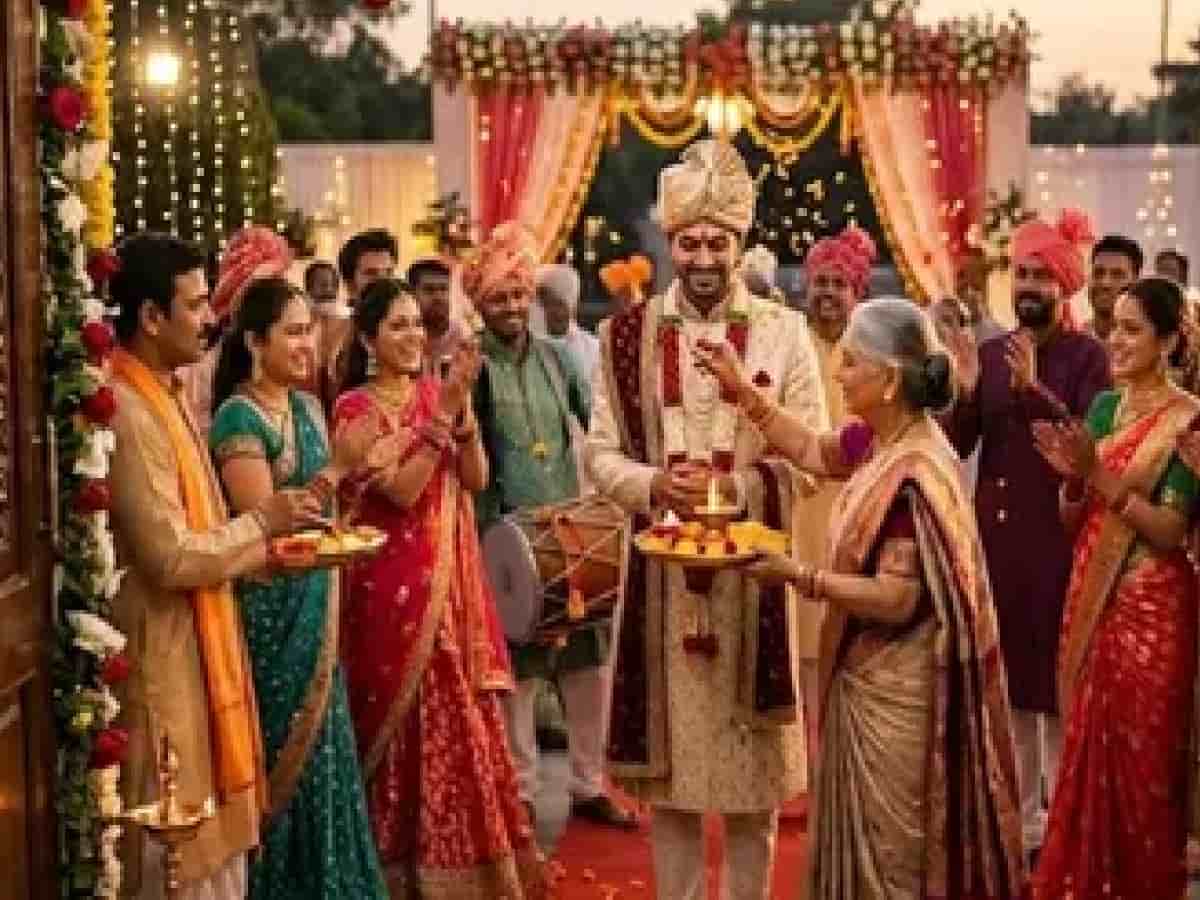
Indian weddings represent an intricate tapestry of sacred Vedic rituals, vibrant community celebrations, and deep emotional bonds between two uniting families. Among the most spirited and culturally rich highlights of the wedding day is the grand arrival of the baraat, where the groom, accompanied by dancing relatives and celebratory band music, approaches the bride's threshold. The very first ceremonial rite conducted the moment the groom's procession reaches the entrance is the traditional "Dwar Pujan" (doorstep worship). Far beyond a symbolic welcome, this ancient ritual carries profound astrological, spiritual, and emotional significance, establishing the spiritual foundation for the entire wedding sacrament.
The Spirit of 'Atithi Devo Bhava': Welcoming the Groom's Family with Pure Reverence
Astropatri's renowned Vedic astrologer Rajni Gupta explains that the philosophical core of Dwar Pujan is rooted in the timeless Indian ethos of Atithi Devo Bhava—revering the visiting guest as an embodiment of the divine. During this ceremony, the bride’s parents, family elders, and priests stand at the entrance to receive the groom and his extended family with traditional aarti, fragrant flowers, and auspicious tilak. It serves as a heartfelt, formal gesture of hospitality, expressing unconditional warmth, mutual respect, and gracious acceptance as two distinct family lines prepare to merge into a single kinship bond.
Warding Off Negative Energies: Sacred Invocations for Divine Protection
From a Vedic perspective, marriage is classified as one of the most critical life-stage sacraments (Sanskara), setting the direction for future generations and lifelong karma. Classical tradition holds that no major life milestone should commence without invoking celestial guardians to shield the ceremonial sanctum. Astrologer Rajni Gupta points out that the threshold of a home or banquet hall acts as a spiritual boundary. Performing the Dwar Pujan right at the entrance purifies the surrounding environment, dispels latent negative forces or the evil eye (Buri Nazar), and charges the wedding venue with positive, uplifting vibrational energy to ensure an uninterrupted, joyful celebration.
Invocations to Ganesha and Gauri: Ensuring Obstacle-Free Bliss for the Newlyweds
The liturgical focus of the Dwar Pujan centers on propitiating Lord Ganesha, the remover of all obstacles (Vighnaharta), alongside Goddess Gauri, the divine epitome of marital fidelity, auspiciousness, and saubhagya. Vedic priests chant sacred mantras to seek Lord Ganesha’s protection so that the lengthy wedding ceremonies, from the garland exchange (Jaimala) to the sacred circumambulations (Saptapadi), conclude without a single hindrance. Simultaneously, offerings to Mother Gauri invoke long life, emotional harmony, prosperity, and unbroken mutual affection for the couple. In essence, Dwar Pujan is not a mere set of ritual actions; it is a sacred Vedic prayer that the bride and groom embark on their lifelong marital journey anchored in spiritual purity, familial unity, and divine grace.