







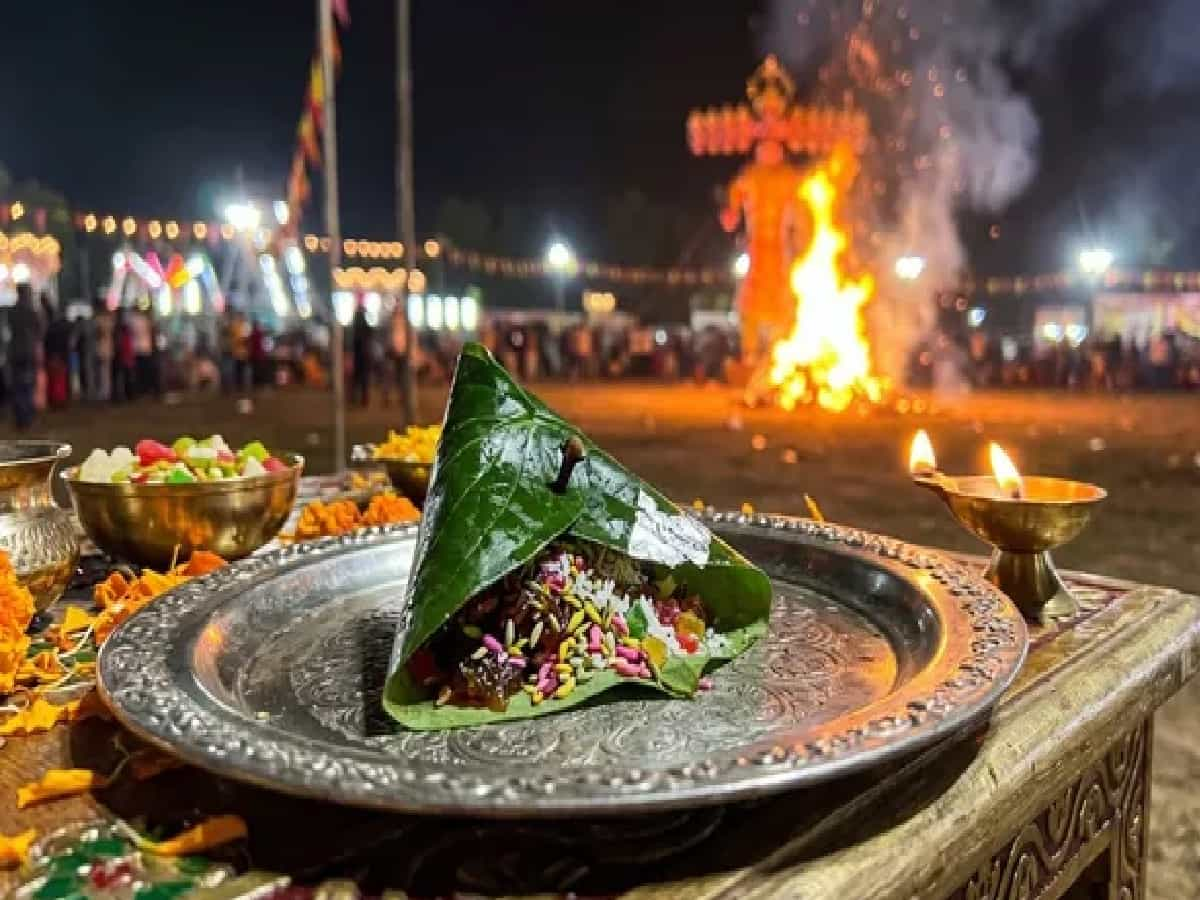
Dussehra Paan Mystery: Eating Betel Leaf on Vijayadashami Brings Prosperity Across UP
As the towering effigies of the demon king Ravana collapse into ashes across Ramlila grounds on Vijayadashami, long queues form outside sweet shops and neighborhood betel kiosks across Uttar Pradesh. While Dussehra is celebrated across India as the ultimate triumph of righteousness over tyranny—commemorating Lord Rama’s victory over Ravana and Goddess Durga’s triumph over Mahishasura—certain regions in northern India observe a distinct culinary ritual: chewing seasoned paan (betel leaf). Far from a routine post-meal habit, savoring and gifting folded betel quids on this auspicious day is an entrenched folk tradition believed to attract abundance, cement friendships, and formally mark the joyous victory of truth.
Invoking Goddess Lakshmi and Sealing Lord Rama’s Victory With Tambool
The religious and spiritual foundation of the Dussehra paan custom links directly to traditional Vedic ritualism and the pursuit of domestic prosperity. In Hindu scriptures, the betel leaf, historically known as Tambool, is revered as a sacred botanical offering and is traditionally associated with Goddess Lakshmi, the deity of wealth and good fortune. Because every formal puja and havan concludes with a betel leaf presentation to deities, consuming paan on Vijayadashami serves as an auspicious invocation for year-round financial well-being and domestic peace. Culturally, folk lore in the Hindi heartland suggests that citizens of Ayodhya originally celebrated the defeat of Lanka's ten-headed ruler by exchanging paan as a gesture of victory (vijay-soochak) and respect, turning the fragrant leaf into an enduring emblem of triumph and divine protection.
A Sweet Cultural Bond: How Uttar Pradesh Turned Dussehra Paan into a Community Ritual
While not an obligatory scriptural commandment, eating paan on Dussehra has evolved into an essential community celebration across cities like Lucknow, Varanasi, Prayagraj, and Kanpur. Beyond its symbolic meaning, the ritual carries deep social and seasonal significance. Gifting freshly made meetha paan topped with gulkand, fennel seeds, and aromatic spices functions as a gesture of forgiveness and mutual affection, encouraging neighbors to dissolve personal grievances and celebrate collective harmony. Ayurvedic practitioners also note the seasonal utility of the practice: as northern India transitions from the monsoon into autumn (Sharad Ritu), the cooling, digestive, and antiseptic properties of betel leaves help balance bodily humors and aid the digestion of heavy festive feasts. For generations of families throughout the region, sharing a festive paan remains the definitive cultural sweet note to conclude Vijayadashami celebrations.




