







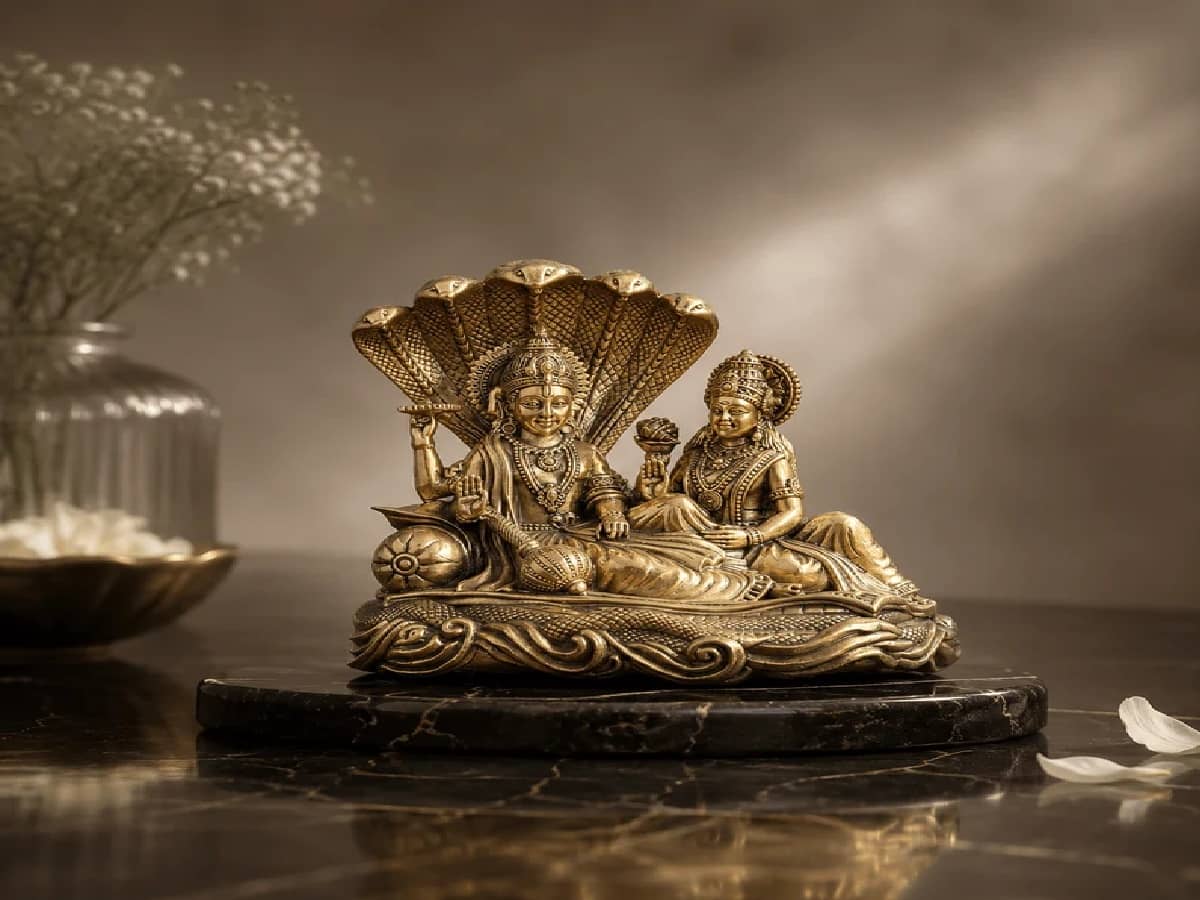
Devuthani Ekadashi Today: Do These 3 Things at Dusk to Unlock Fortune
Today, Friday, November 20, 2026, marks the deeply revered Hindu festival of Devuthani Ekadashi—also celebrated across India as Devutthana Ekadashi, Prabodhini Ekadashi, or Haribodhini Ekadashi. Falling on the eleventh lunar day (Shukla Paksha Ekadashi) of the sacred month of Kartik, this auspicious occasion signifies the moment Lord Shri Hari Vishnu awakens from his four-month cosmic yogic sleep (Yoga Nidra), bringing the four-month austerity period of Chaturmas to a close and officially reopening the season for Hindu weddings, griha pravesh (housewarmings), mundan, and other auspicious family ceremonies. According to Panchang timings for November 20, 2026, the Kartik Shukla Ekadashi Tithi runs from 7:15 AM on Friday, November 20, until 6:31 AM on Saturday, November 21, with Smarta households observing the fast today (followed by Vrat Parana on Saturday, November 21, from 1:11 PM to 3:18 PM after Hari Vasara ends at 12:07 PM, while Vaishnava traditions observe the fast on November 21). Religious scholars and traditional Panchang experts emphasize that Devuthani Ekadashi is widely regarded as a day when stalled endeavors regain momentum. In particular, families experiencing financial strain, repeated delays in marriage, or ongoing household tension are advised to observe three time-honored evening remedies as soon as dusk (Pradosh Kaal / Godhuli Bela) sets in tonight—namely, offering a red scarf (chunari) to Goddess Tulsi, lighting pure ghee lamps on both sides of the main entrance, and gathering the family to blow a conch shell (shankh) and ring bells while chanting to awaken Lord Hari. For devotees, temple-goers, and households across Unnao, Lucknow, Kanpur, Ayodhya, Mathura, Vrindavan, Varanasi, Prayagraj, and New Delhi, performing these simple, devotional acts with sincerity invites divine grace and fresh beginnings.
Devuthani Ekadashi 2026 (Nov 20): Panchang Schedule & 3 Evening Remedies
To bring together the verified Kartik Shukla Ekadashi tithi timings, fast-breaking (Parana) schedule, and the three prescribed dusk rituals for November 20, 2026, the table below outlines the complete guide:
| Observance / Remedy | Verified Timing & Procedure (November 20–21, 2026) | Traditional & Spiritual Significance |
| Ekadashi Tithi & Parana Schedule |
Ekadashi Begins: Nov 20 at 7:15 AM; Ends: Nov 21 at 6:31 AM. Smarta Vrat: Friday, Nov 20, 2026; Parana: Saturday, Nov 21 (1:11 PM – 3:18 PM) after Hari Vasara ends at 12:07 PM. (Vaishnava fast: Nov 21; Tulsi Vivah Dwadashi: Nov 21 evening). |
Marks the end of Chaturmas and the cosmic awakening of Lord Vishnu, resuming all auspicious social and religious events. |
| 1. Offer a Red Scarf (Chunari) to Tulsi Mata | At dusk on Nov 20, drape a clean red chunari (scarf) over the Tulsi plant in the name of any family member facing marriage delays or obstacles, and light a ghee lamp nearby (many families also perform Tulsi Vivah today or on Dwadashi, Nov 21). | Believed to remove hurdles in marriage proposals while inviting Goddess Lakshmi's blessings, harmony, and household prosperity. |
| 2. Light Ghee Lamps at the Main Entrance | Immediately after sunset tonight, place two pure cow-ghee diyas—one on each side of the main front doorway of the house. | Symbolizes welcoming Goddess Lakshmi and Lord Narayan across the threshold, dispelling negativity and easing financial stagnation. |
| 3. Blow a Conch & Ring Bells With Family | Sit together with the entire family during evening puja, worship Lord Vishnu and Goddess Lakshmi, and sound a conch shell (shankh) and puja bells while chanting traditional awakening invocations ("Utho Dev, Baitho Dev..."). | Harmonizes household energy, dissolves lingering domestic tension, and commemorates the ceremonial awakening of Lord Hari. |
Step-by-Step Guide to the Three Evening Remedies on Devuthani Ekadashi
As twilight approaches this evening, devotees can perform these three simple rituals at home without elaborate arrangements:
-
Drape a Red Chunari on Tulsi Mata for Marriage & Harmony: Worshiping the sacred Tulsi plant holds supreme importance on Devuthani Ekadashi, which is closely linked with the ceremonial Tulsi–Shaligram Vivah (observed either on Ekadashi evening or on Kartik Shukla Dwadashi tomorrow, November 21). If a son or daughter in the household is experiencing repeated delays in marriage, family elders or the individual can respectfully wrap a red scarf (chunari) around the Tulsi plant at dusk while praying to Goddess Tulsi and Lord Vishnu, inviting auspicious alliances and domestic peace.
-
Illuminate Both Sides of the Main Door With Ghee Diyas: In Hindu tradition, a well-lit threshold welcomes prosperity. Lighting a pure ghee lamp on both sides of the main entrance at sunset on Devuthani Ekadashi is believed to dispel stagnant financial energy and invite Goddess Lakshmi to reside permanently in the home.
-
Gather the Family to Sound the Conch and Puja Bell: Rather than performing evening worship alone, sitting together with parents, spouse, and children to offer yellow flowers and sweets to Lord Vishnu and Goddess Lakshmi, while blowing a conch shell (shankh) and ringing bells with the traditional awakening chant ("Utho Dev, Baitho Dev..."), clears emotional heaviness and restores warmth among family members.
Essential Fasting & Tulsi Rules Every Devotee Should Remember Today
Alongside these three evening measures, traditional scriptures remind devotees observing Devuthani Ekadashi today to follow two strict rules: completely avoid consuming rice on Ekadashi (whether fasting or not, as eating rice on Ekadashi is traditionally prohibited), and never pluck Tulsi leaves or water the Tulsi plant on Ekadashi itself—using leaves gathered a day earlier on Dashami for Lord Vishnu's bhog instead. Observed with devotion, restraint, and family unity, tonight's evening prayers mark an uplifting spiritual reset for the months ahead.




