







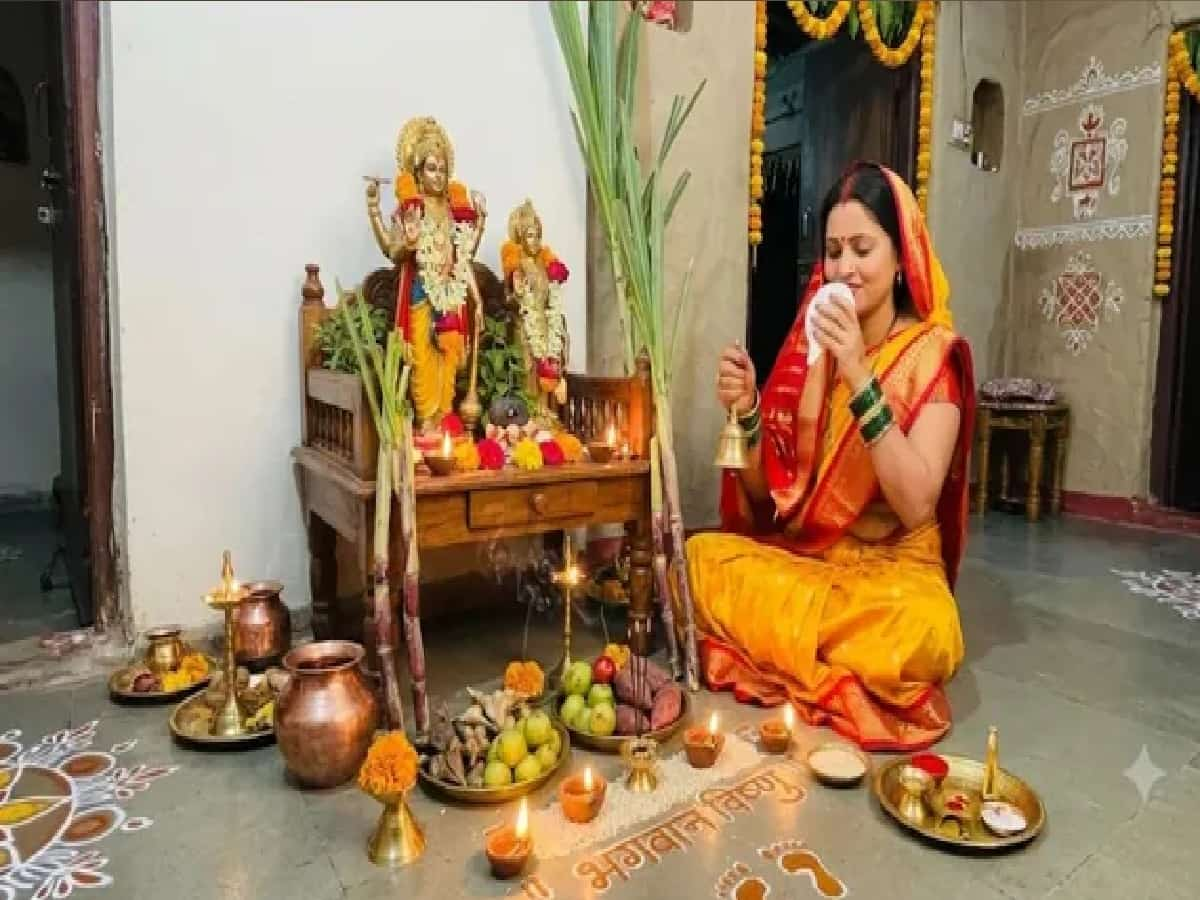
Dev Uthani Ekadashi 2026: Why Lord Vishnu Wakes Only to Conch & Bell
Across temples and households throughout India today—Friday, November 20, 2026—devotees are celebrating Dev Uthani Ekadashi (also revered as Devutthana Ekadashi, Prabodhini Ekadashi, or Haribodhini Ekadashi), the sacred eleventh lunar day (Shukla Paksha Ekadashi) of the month of Kartik when Lord Shri Hari Vishnu awakens from his four-month cosmic yogic sleep (Yoga Nidra). According to Vedic Panchang calculations for November 20, 2026, the Kartik Shukla Ekadashi Tithi began at 7:15 AM this morning and continues until 6:31 AM on Saturday, November 21—with Smarta households observing the fast today (followed by Vrat Parana on Saturday, November 21, between 1:11 PM and 3:18 PM in Delhi-NCR and 12:56 PM to 3:05 PM in the Lucknow–Unnao–Kanpur region after Hari Vasara concludes at 12:07 PM, while Vaishnava temples observe the vrat tomorrow alongside Tulsi Vivah). As Chaturmas comes to an end and the auspicious season for weddings, housewarmings (griha pravesh), and sacred ceremonies officially resumes, millions of families will gather tonight around decorated sugarcane pavilions to perform a centuries-old ritual: gently awakening Lord Vishnu with the resonant sound of a conch shell (shankh), temple bells (ghanti), and rhythmic metal plates (thali or katori). Far from being a mere folk custom, the practice carries deep Puranic, acoustic, and spiritual symbolism rooted in Hindu scriptures. For devotees, priests, wedding-planning families, and readers across Unnao, Lucknow, Kanpur, Ayodhya, Mathura, Vrindavan, Varanasi, Prayagraj, and New Delhi, understanding why sacred sound (Naad) is used to welcome Lord Hari back to cosmic governance deepens the devotion behind every chant of "Jai Shri Hari" tonight.
Dev Uthani Ekadashi 2026 (Nov 20): Panchang Timings & Sacred Sound Symbolism
To bring together the verified Kartik Shukla Ekadashi timings for November 20–21, 2026, alongside the traditional symbolism of each sacred instrument used to awaken Lord Vishnu tonight, the table below summarizes the key details:
| Element / Panchang Detail | Verified Timing & Tradition (Nov 20–21, 2026) | Spiritual & Scriptural Significance |
| Ekadashi Tithi & Parana Window |
Begins: Nov 20 at 7:15 AM; Ends: Nov 21 at 6:31 AM. Smarta Fast: Friday, Nov 20; Parana (Nov 21): 12:56 PM – 3:05 PM (Lucknow/Unnao) / 1:11 PM – 3:18 PM (New Delhi) after Hari Vasara ends at 12:07 PM. (Vaishnava fast: Nov 21; Parana: Nov 22, 6:49 AM – 8:56 AM). |
Concludes the four-month Chaturmas period that began on Devshayani Ekadashi in Ashadha, reopening the season for marriages and auspicious rites. |
| Blowing the Conch Shell (Shankh) | Sounded during evening Pradosh / Godhuli puja alongside Vedic awakening mantras ("Uttishtha Govinda, tyaja nidram Jagatpate"). | Emerged during Samudra Manthan alongside Goddess Lakshmi; its primal Omkara (Pranava) vibration purifies the atmosphere and directly invokes Lord Narayan. |
| Ringing Temple Bells (Ghanti) | Rung continuously during evening aarti and awakening prayers. | Produces an auspicious Mangal Dhwani believed in Agama Shastra to dispel stagnant, tamasic energy and align human awareness with divine presence. |
| Clanging Metal Plates (Thali / Katori) | Played rhythmically by family members around the sugarcane mandap at night. | Represents collective household joy—turning every home into a celebratory courtyard welcoming Lord Hari back from Kshirsagar. |
The Scriptural Secret: Why Conch and Bell Sound Awaken Lord Vishnu
According to Puranic lore, Lord Vishnu enters Yoga Nidra (cosmic yogic repose) in the Kshirsagar (Ocean of Milk) on Devshayani Ekadashi during the bright fortnight of Ashadha—entrusting the active stewardship of creation to Lord Shiva across the four monsoon months of Chaturmas. When the bright eleventh lunar day of Kartik arrives four months later, scriptures hold that the Preserver of the Universe is not roused by harsh noise or worldly clamor, but by Mangal Dhwani—pure, harmonious sacred vibrations. Foremost among these is the conch shell (shankh), which manifested alongside Goddess Lakshmi during the churning of the cosmic ocean (Samudra Manthan) and emits the primordial syllable Om (Pranava), forever held in Lord Vishnu's upper left hand. Paired with the metallic resonance of puja bells (ghanti) and rhythmic plates (thali), these auspicious acoustic waves are believed to dissolve negative energy inside the home, uplift mental clarity, and honor the exact cosmic rhythm through which Lord Hari resumes his universal duties.
Evening Puja Vidhi: How to Awaken Lord Hari at Home Tonight
To observe the evening awakening ritual with traditional devotion on Dev Uthani Ekadashi, families can follow a simple four-step sequence after sunset:
-
Build a Sugarcane Mandap: Clean the home temple or courtyard and erect a small ceremonial pavilion (mandap) using four fresh sugarcane stalks, placing an idol or image of Lord Vishnu (alongside Shaligram and Tulsi Mata) at the center.
-
Offer Seasonal Harvest & Light a Ghee Lamp: Offer seasonal autumn produce—including sweet potatoes (shakarkandi), water chestnuts (singhara), bananas, yellow flowers, and sweets garnished with sacred Tulsi leaves (plucked a day earlier, avoiding plucking Tulsi or consuming rice today)—and ignite a pure cow-ghee diya.
-
Awaken the Lord With Conch, Bell & Chants: Gather all family members to blow a conch shell, ring puja bells, and gently sound a metal plate while reciting "Uttishtha Govinda, tyaja nidram Jagatpate" and "Jai Shri Hari".
-
Offer Sattvic Bhog & Share Prasad: Conclude with evening aarti, offer freshly prepared sattvic bhog (such as puri-sabzi, fruits, and sweets), and distribute the blessed prasad among family members and neighbors




