







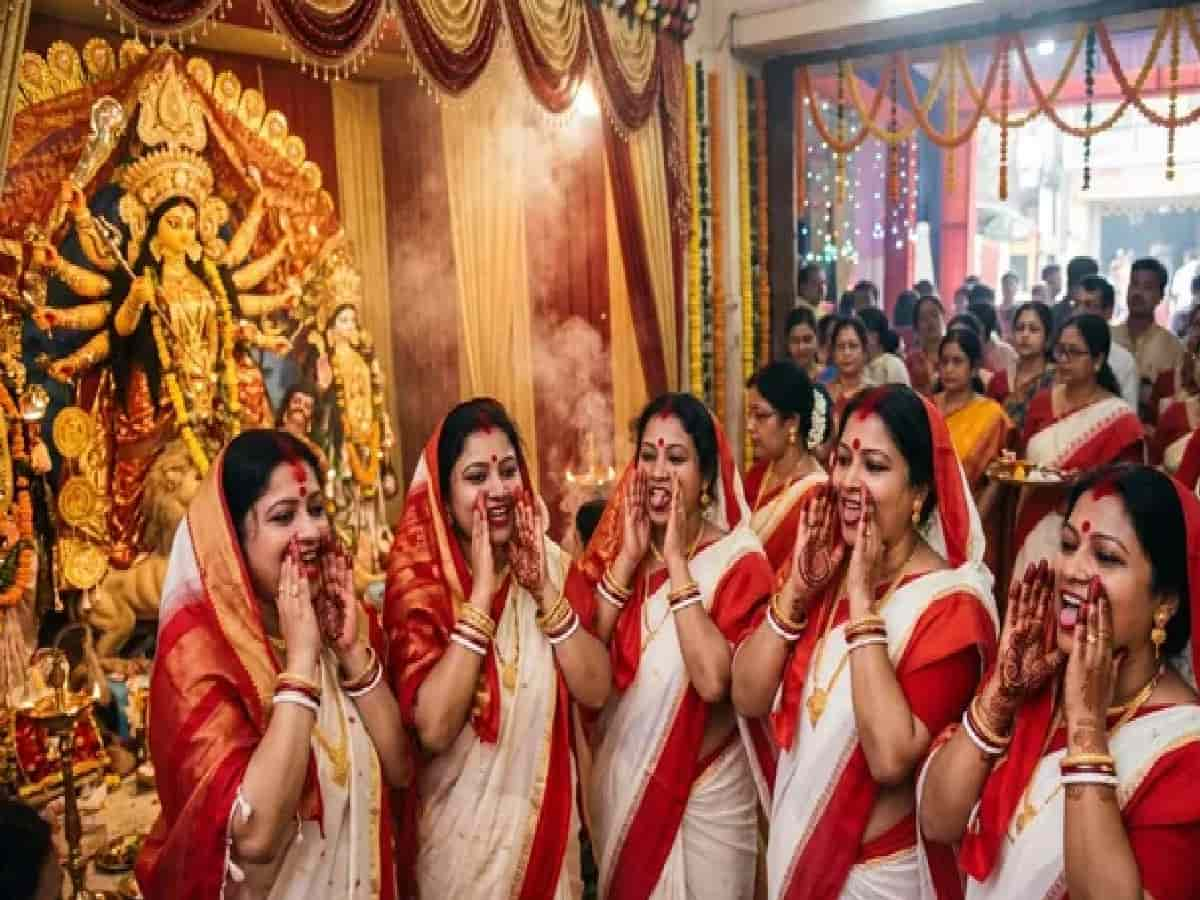
Bengali Women Make This Sacred Sound During Durga Puja & Weddings
Across the vibrant Durga Puja pandals and celebratory courtyards of West Bengal and the global Bengali diaspora, festive rituals are unmistakably accompanied by a piercing, rhythmic vocal sound produced in unison by women—an ancient oral tradition known as Ulu Dhwani or ululation. Produced through the swift lateral movement of the tongue against the roof of the mouth and upper lips, this distinctive acoustic heritage is far more than a celebratory cheer; it serves as a foundational cultural ritual deeply woven into the spiritual fabric of eastern India. From welcoming the arrival of Goddess Durga during Mahashtami to blessing a newlywed couple during marriage rites, the communal resonance is regarded as an indispensable harbinger of auspiciousness, divine invocation, and collective joy.
Spiritual Shield and Aura Cleansing: Dispelling Negative Energies and the Evil Eye
In Bengali folk customs and Vedic-influenced domestic traditions, the sharp acoustic frequency generated by Ulu Dhwani is believed to act as a metaphysical shield that instantly cleanses the surrounding aura. Traditional belief holds that high-frequency vocal resonances dispel stagnant vibrations, neutralize malice or the evil eye (drishti dosha), and dismantle negative spiritual presences within a household or ceremonial space. Consequently, major life events—ranging from newborn naming rites and housewarming ceremonies (Griha Pravesh) to the critical phases of Hindu weddings such as Sindoor Daan and Saat Paake Ghorano—are deemed incomplete until the air is consecrated with this sound. Operating on an acoustic level comparable to the sanctifying resonance of temple bells and the blowing of the sacred conch shell (Shankha), the practice transforms the surrounding environment into a purified sanctuary receptive to divine grace.
Collective Matriarchal Heritage: How Elder Women Lead the Invocation of Maa Durga
The performance of Ulu Dhwani is an inherently communal matriarchal tradition, traditionally initiated by the eldest woman of the household or community before being amplified by other female participants. When Goddess Durga is welcomed into neighborhoods during autumnal festivities, this collective vocalization serves as an intimate, emotional plea directed to the Mother Goddess, praying for the prosperity, fertility, health, and protection of the entire family and clan. The sacred chorus requires no external musical instrument, relying entirely on the natural vocal power of women to declare triumphs over adversity and celebrate the victory of righteousness over darkness. Across generations of cultural modernization, this ritual remains one of Bengal’s most enduring living traditions, transforming every sacred milestone into an unforgettable, positive sensory experience.




