







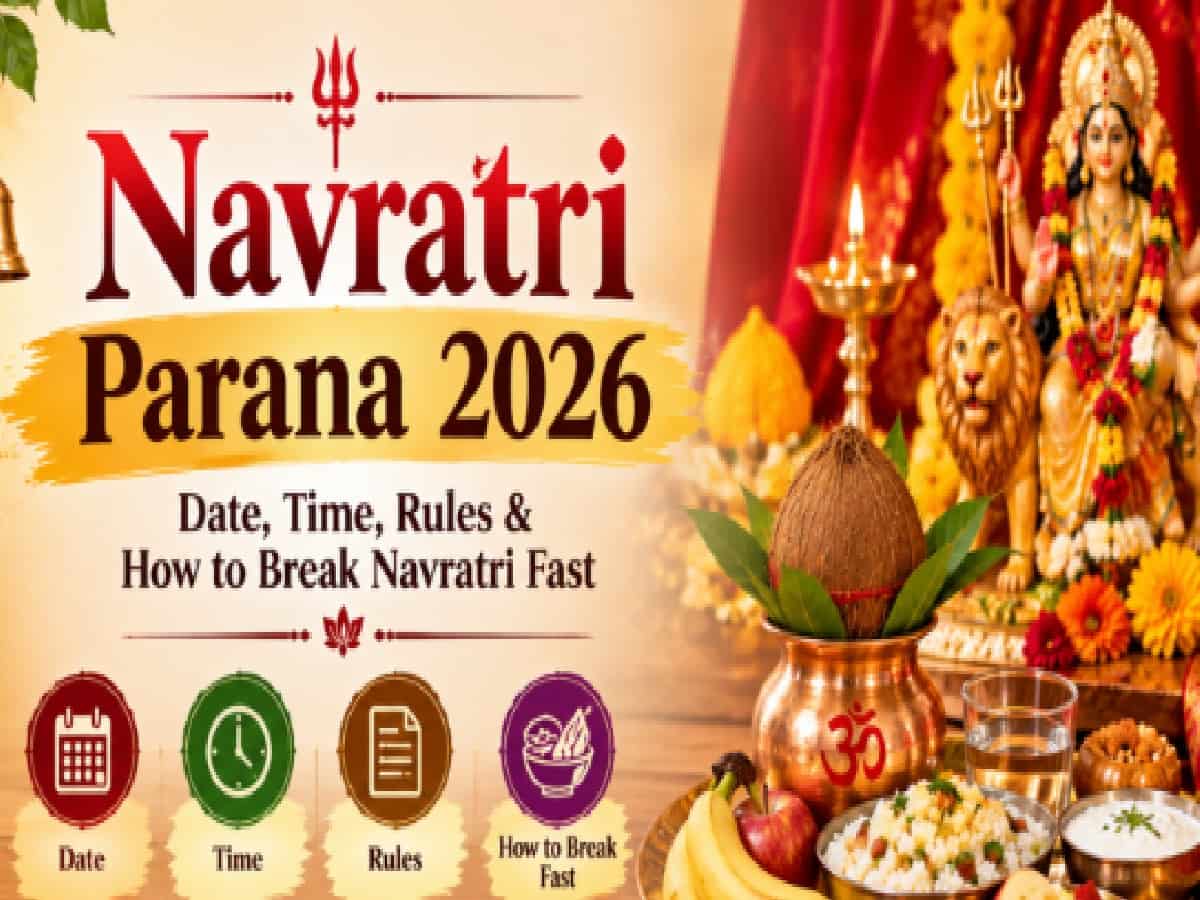
Ashtami or Navami, Auspicious Muhurat and Sacred Rules to Break Your Fast
Completing the rigorous spiritual discipline of Sharadiya Navratri demands strict adherence to scriptural timings and Vedic protocols, ensuring that devotees receive the full spiritual merits, mental resilience, courage, and auspicious blessings cultivated across nine days of dedicated devotion to Goddess Durga. In Hindu spiritual traditions, the act of concluding the fast—known as Vrat Parana—is regarded as vital as the initial Ghatasthapana, as breaking the fast improperly or during unfavorable astrological periods is believed to diminish the positive spiritual vibrations amassed during the observance. Devotees often grapple with whether to perform Parana on Maha Ashtami or Maha Navami; however, Vedic scholars clarify that the timing is governed by family customs (kula parampara). Households that conduct Kanya Pujan on Maha Ashtami conclude their fast immediately following those sacred rites, whereas devotees who honor the young maidens on Maha Navami break their fast strictly after completing the final Navami offerings and havan.
Panchang Breakdown: Exact Astruological Timings for Ashtami and Navami Parana 2026
According to the Vedic calendar and astrological calculations for Sharadiya Navratri 2026, Maha Ashtami is celebrated on Monday, October 19, while Maha Navami will be observed on Tuesday, October 20. The Ashtami Tithi formally begins at 8:27 AM on Sunday, October 18, and extends until 10:51 AM on Monday, October 19; devotees adhering to the Ashtami fasting tradition will perform their Navratri Parana on Monday, October 19, once the morning rituals conclude. Conversely, the Navami Tithi commences at 10:51 AM on Monday, October 19, and concludes at 12:50 PM on Tuesday, October 20, designating Tuesday, October 20, as the official day for Mahanavami Parana. Aligning the conclusion of the fast with these active tithi periods guarantees that the dietary transition respects cosmic alignments and Vedic timekeeping principles.
The Sacred Vedic Vidhi: Step-by-Step Method to Break the Navratri Fast
Executing the Parana ceremony requires meticulous personal and spiritual purification to bid a reverent conclusion to the penance. On the chosen day of Parana—whether Ashtami or Navami—the observer must rise during the early morning hours, take a purifying bath, and dress in fresh, clean attire before thoroughly cleansing the household shrine. Devotees should illuminate the sacred space with a pure desi ghee lamp (diya) and offer incense (dhoop), unbroken raw rice (akshat), sacred vermilion (roli), and fresh seasonal blossoms at the feet of Goddess Durga. The devotional procedure continues with the soulful recitation of the Durga Chalisa, chanting of the Mother Goddess’s sacred Beej Mantras, and performing the ceremonial Aarti, followed by presenting the traditional satvik bhog consisting of freshly prepared semolina or wheat halwa, golden puris, and black gram curry (kale chane). After offering the bhog, devotees must conduct Kanya Pujan by reverently serving the consecrated feast to invited young girls, presenting them with gifts and cash offerings (dakshina), and touching their feet to receive their pure blessings. The devotee then accepts the sacred Charanamrit and prasad consecrated at the deity's altar, formally concluding the nine-day vow by consuming a pure, nourishing satvik meal to usher peace, prosperity, and spiritual vitality into the home.




