







Ashtami, Navami, or Dashami, Auspicious Timings and Sacred Rituals Revealed
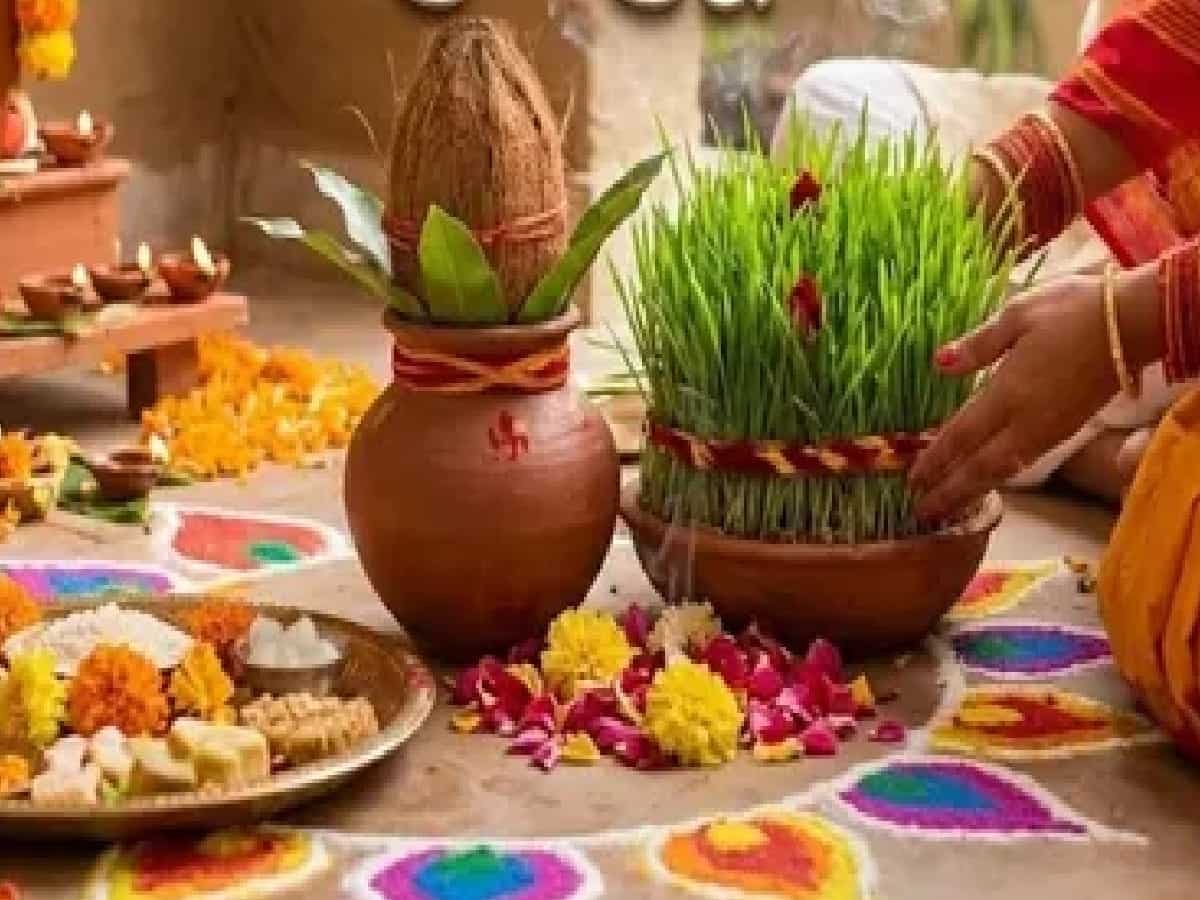
As the spiritual fervor of Sharadiya Navratri reaches its peak, millions of devotees across the country prepare to conclude their nine-day fasts and perform the concluding rites of Kalash Visarjan and Jaware immersion. Having invoked the divine energy of Goddess Durga through Ghatasthapana on Pratipada and maintained the sacred eternal flame (Akhand Jyoti), worshippers often face confusion over the appropriate day to conduct the immersion: Maha Ashtami, Maha Navami, or Vijayadashami. Addressing this scriptural dilemma, renowned Ujjain-based astrologer and Vedic scholar Pandit Manish Sharma explains that the proper day is largely determined by whether the worship is conducted at home or in a public sanctuary. According to Pandit Sharma, household shrines should ideally perform Kalash Visarjan on Maha Navami following Kanya Pujan and havan, whereas public pandals and temples hosting consecrated Durga idols observe the farewell and immersion strictly on Vijayadashami.
Navami vs Dashami: Deciding the Right Day for Kalash and Jaware Visarjan
While Maha Ashtami is primarily consecrated to the worship of Goddess Mahagauri, performing sacred havan, and conducting Kanya Pujan, Kalash immersion on this day is not mandatory and is generally limited to families whose ancestral customs require breaking the fast on the eighth day. For the vast majority of households, scripture and tradition recommend completing the immersion on Maha Navami once the concluding offerings, fire sacrifice, and honorific feast for young girls have concluded. On the other hand, public temples, community pandals, and societies that install massive clay idols of Goddess Durga preserve the sanctity of the installation until Vijayadashami (Dashami), bidding farewell to the Mother Goddess and immersing both the Kalash and the barley sprouts (Jaware) on the tenth day. Devotees are advised to balance astrological guidance with their established family traditions (kula parampara) when finalizing the immersion day.
Sharadiya Navratri 2026 Muhurat: Auspicious Timings for October 19 and 20
During Sharadiya Navratri 2026, Maha Navami falls on Monday, October 19, with the Navami Tithi formally beginning at 10:51 AM on October 19 and drawing to a close at 12:50 PM on Tuesday, October 20. For household devotees performing their rituals on Monday, October 19, the most propitious astrological window for Navami Puja, havan, and Kanya Pujan extends from 10:53 AM to 12:34 PM, during which devotees can seek the divine blessings of Goddess Durga by worshipping and feeding the young girls before proceeding with the Kalash immersion. For those observing the immersion on Vijayadashami, Tuesday, October 20, 2026, the morning auspicious window runs from 6:19 AM to 10:12 AM. Devotees can also utilize the sacred Abhijit Muhurta between 11:44 AM and 12:31 PM, or the favorable afternoon window between 1:14 PM and 3:30 PM, ensuring multiple sanctified periods to bid a reverent farewell to the deity.
Step-by-Step Vedic Visarjan Vidhi: Sacred Protocols for Water, Coconut, and Jaware
The ritual of Kalash immersion demands strict adherence to cleanliness, devotion, and Vedic protocol. Devotees must begin by lighting a fresh lamp before the deity and offering fresh flowers, seasonal fruits, and consecrated sweets, offering heartfelt prayers for enduring domestic harmony, health, and prosperity. After performing the Goddess’s aarti, worshippers should recite the forgiveness prayer (Kshama Prarthana), seeking pardon for any inadvertent shortcomings or procedural errors committed during the nine days of worship, before distributing the bhog as prasad among all household members. The sacred coconut resting atop the Kalash should be respectfully removed and consumed as consecrated prasad by the family. The holy water stored within the Kalash, imbued with divine vibrations, should be gently sprinkled throughout the rooms of the home using mango leaves to purify the living space, with any remaining water poured at the roots of sacred plants like Tulsi. Finally, the sacred barley sprouts (Jaware) should be collected with reverence and either integrated back into clean soil or floated in a clean water body, ensuring full compliance with local environmental safeguards.




