Ancestor Reborn in Your Family, 4 Major Signs Revealed in Garuda Purana
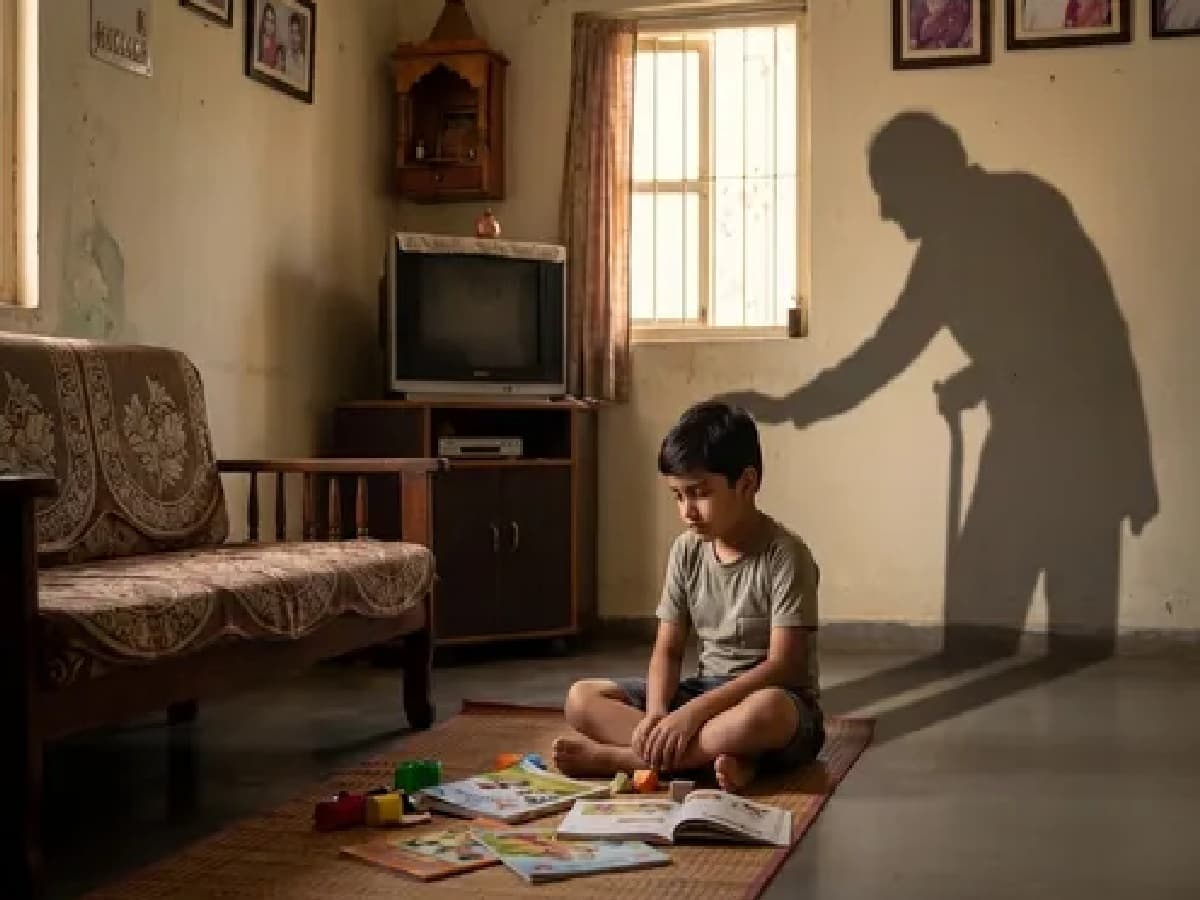
In Sanatan Dharma, the transmigration of the soul (samsara) is governed by unfulfilled desires, karmic obligations, and emotional attachments. The Preta Kalpa of the ancient Garuda Purana, especially across Chapters 7 and 15, outlines how departed souls frequently seek embodiment within their own genealogical lineage if their affection for family members remains exceptionally potent at the moment of transition. Rather than moving permanently to ancestral realms or dissolving into liberation, these attached souls reincarnate as newborn children within the same household or extended clan. Sacred lore and scriptural commentaries document specific household occurrences and behavioral manifestations that signal the return of a beloved ancestor to the family fold.
4 Unmistakable Signs Indicating an Ancestor's Return to the Household
Ancient scriptures and traditional generational wisdom identify four distinct indicators that suggest a departed elder has taken birth again within the domestic lineage:
-
Birth During or Immediately Around Pitru Paksha: Welcoming a newborn during the sacred sixteen-day fortnight of Pitru Paksha, or shortly after the demise of an elder with profound domestic bonds, is regarded as a primary astrological and karmic indicator of an ancestor's swift return to fulfill left-behind responsibilities.
-
Uncanny Behavioral Traits, Habits, and Early Attachments: If an infant naturally gravitates toward a specific family member, mirrors the physical gestures, vocal cadence, or distinct temperament of a late relative, or demonstrates an inexplicable fondness for items once cherished by that ancestor, scriptures view this as subconscious memory carried over from the previous birth.
-
Recurring Peaceful Visions and Joyful Ancestral Dreams: Dreams serve as an ethereal bridge between realms. When family members repeatedly dream of late relatives appearing radiant, calm, or happily departing with folded hands, it signifies the culmination of their lingering state and their arrival into a fresh physical form within the clan.
-
Sudden Dissolution of Longstanding Conflicts and Influx of Peace: The rebirth of a benevolent ancestor frequently coincides with a noticeable cessation of prolonged domestic disputes, unexplainable resolution of chronic financial gridlocks, and a restored aura of serenity, indicating that the family is experiencing direct ancestral grace and physical return.
Balancing Karmic Debts: Why Shraddha and Tarpan Remain Vital
Even when signs of an ancestor's joyous rebirth become apparent, Vedic scriptures caution against neglecting essential funerary and annual memorial obligations. If departed elders appear in dreams looking impoverished, thirsty, or distressed, it signals that the soul remains caught in intermediate subtle states (preta yoni) without completing its karmic cycle. Performing timely Tarpan, Pind Daan, and Anna Daan during auspicious lunar windows—most critically during Pitru Paksha—dissolves negative ancestral debts (Pitru Rin), freeing souls to attain higher spiritual planes or return smoothly into the physical realm under auspicious, prosperous planetary combinations.