






5 Temples of Devbhoomi Uttarakhand: From Blindfolded Priests to the Secret of the Apocalypse
Uttarakhand, universally revered as Devbhoomi or the "Land of the Gods," is globally renowned for its sacred pilgrimage sites and ancient shrines mentioned in holy texts, such as Kedarnath, Gangotri, Yamunotri, Tungnath, and Jageshwar Dham. However, beyond these iconic destinations lie several lesser-known, deeply enigmatic shrines shrouded in extraordinary legends, unique traditions, and ancient mysteries. Exploring these five mystical temples reveals fascinating stories that continue to astonish pilgrims, travelers, and seekers from all over the world.
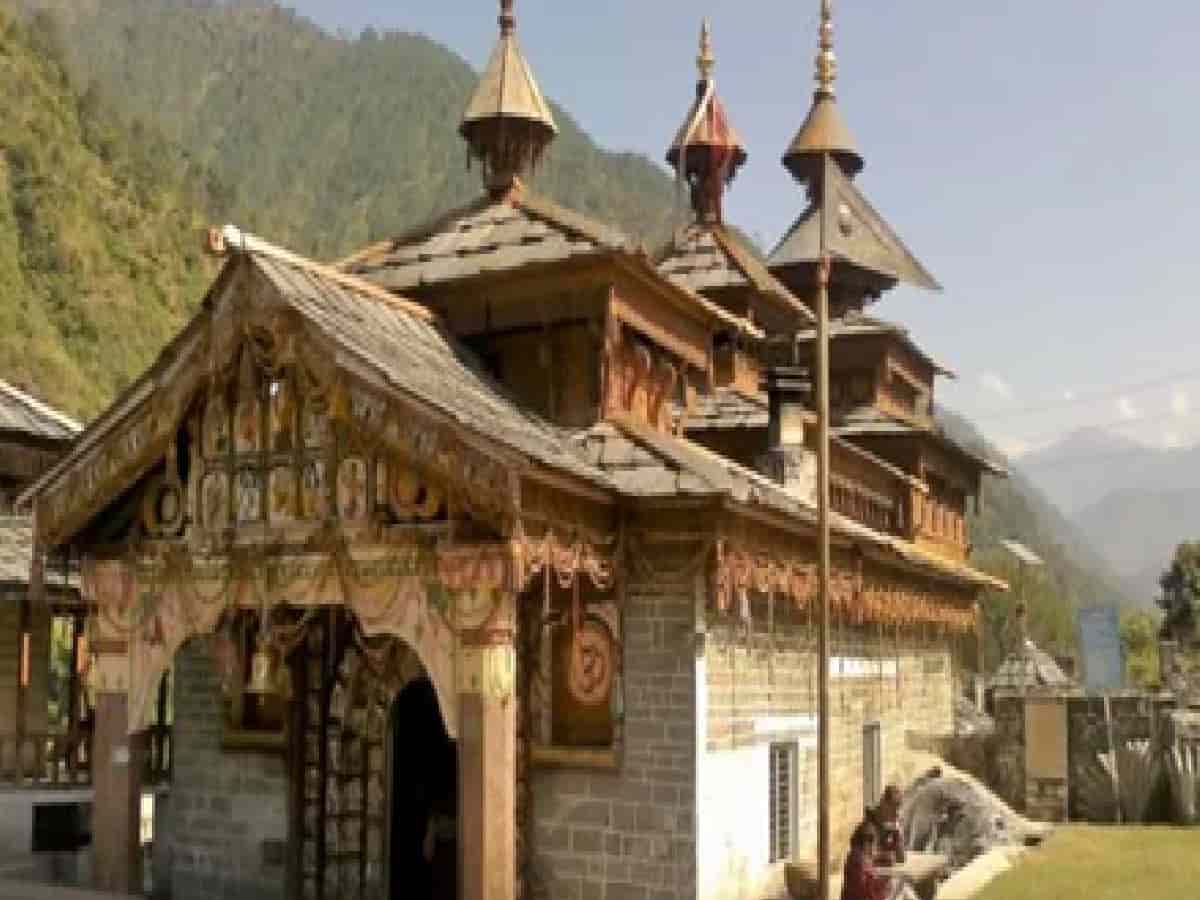
1. Mahasu Devta Temple: The Divine Court of Justice in Hanol
Situated on the banks of the roaring Tons River in the Hanol region near the Uttarkashi-Dehradun border, the Mahasu Devta Temple is dedicated to a powerful collective of four divine brothers worshipped across both Uttarakhand and neighboring Himachal Pradesh.
Mahasu Devta is widely revered by local communities as the ultimate deity of justice, and his temple functions symbolically as a divine court of law. Devotees facing complex disputes or seeking resolution for unresolved grievances travel from far and wide to present their cases before the deity, placing absolute faith that divine justice will prevail.
2. Latu Devta Temple: Where Priests Worship With Blindfolded Eyes
Located in the remote Chamoli district of Uttarakhand, the Latu Devta Temple is a place of profound mystery and strict ritualistic traditions. According to regional beliefs, Latu Devta is revered as the brother of Goddess Nanda Devi.
The temple doors remain locked year-round and are opened only once a year on a specific auspicious day. On this rare occasion, temple priests perform sacred rituals and open the inner sanctum with their eyes and mouths tightly covered with cloth. Local lore states that a divine serpent guarding a precious gemstone resides inside the sanctum, and ordinary mortals cannot gaze upon it. To protect the priest from being overwhelmed or blinded by the fierce radiance and presence of the serpent king, the blindfold tradition is religiously maintained.
3. Bhavishya Badri: The Sanctuary Where the Future of Badrinath Lies
Nestled in the serene village of Subhain, approximately 17 kilometers from Joshimath in the Chamoli district, lies Bhavishya Badri, which translates to "Future Badri."
According to ancient Hindu scriptures and local prophecies, this sacred site holds the secret to the end of Kali Yuga. Belief dictates that as the current paths leading to the holy Badrinath shrine eventually become blocked, inaccessible, and destroyed due to natural transformation at the end of the cosmic age, Lord Badri will manifest here instead. From that momentous day onward, Bhavishya Badri will emerge as the primary sanctum for devotees to worship the Lord.
4. Patal Bhuvaneshwar: The Subterranean Cave Holding Secrets of the Four Yugas
Tucked away in the Pithoragarh district of Uttarakhand, Patal Bhuvaneshwar is an awe-inspiring subterranean pilgrimage site mentioned extensively in sacred texts like the Skanda Purana. Visitors must descend nearly 90 feet down approximately 80 narrow, damp, and slippery rock-cut stairs to enter this magnificent natural limestone cave system.
Inside the cave stand four natural stone pillars representing the four cosmic epochs: Satya Yuga, Treta Yuga, Dwapar Yuga, and Kali Yuga. According to popular religious belief, the pillar representing Kali Yuga is slowly growing taller, while a massive natural rock formation hanging directly above it from the cave ceiling points toward the ultimate apocalypse. Legend says that the day the Kali Yuga pillar and the hanging rock touch, the world will undergo cosmic dissolution, though these claims remain grounded in traditional folklore and mythology.
5. Timarsain Mahadev: Uttarakhand’s Secret Amarnath Cave
Situated deep in the high-altitude terrain of Chamoli district, the Timarsain Mahadev Temple is a natural mountain cave featuring a spontaneously formed ice Shivalinga. Because of the extreme sub-zero temperatures that grip the region for a major part of the year, water dripping from the cave ceiling freezes during winter, naturally taking the shape of a magnificent ice Shivalinga.
Often referred to by locals as "Baba Barfani," this sacred ice formation bears an uncanny and stunning resemblance to the famous Amarnath Cave shrine in Kashmir, drawing adventurous spiritual seekers and devotees during permitted travel windows.