







Winter Action Plan Takes Effect November 1 as Severe AQI Looms
The administrative preparations and multi-agency coordination carried out over the past year to shield the National Capital Region (NCR) from hazardous winter smog face their ultimate test as the next 15 days emerge as a critical operational window. With transitioning weather patterns and plummeting temperatures set to trap particulate matter close to the surface, respiratory ailments are escalating rapidly across regional populations, with environmental models projecting air quality index (AQI) levels to slip sharply past October 31 and breach the 'severe' benchmark by November 6. In response to the looming atmospheric crisis, the Union Ministry of Environment, Forest and Climate Change (MoEFCC) alongside the Commission for Air Quality Management (CAQM) has issued emergency directives across four NCR states—Delhi, Haryana, Uttar Pradesh, and Rajasthan—ordering strict, coordinated enforcement of winter mitigation frameworks to avert an ecological breakdown.
Vehicular Curbs and Border Enforcement: Banning Sub-BS-6 Fleets and Mandating 'No PUC, No Fuel'
Recognizing vehicular emissions as a primary contributor to regional toxic loading, regulatory authorities have placed an outright prohibition on the entry of all commercial and private petrol and diesel vehicles below BS-6 emission standards into the national capital starting November 1. To plug compliance gaps at retail touchpoints, authorities have operationalized the stringent "No PUC, No Fuel" directive across approximately 500 petrol pumps in Delhi, where Automatic Number Plate Recognition (ANPR) surveillance cameras will identify non-compliant motorists and deny fueling privileges. Furthermore, municipal parking fees will be doubled across the capital beginning November 1 to deter private automobile usage, while public and corporate sector establishments have been advised to transition at least 50 percent of their workforce to remote work-from-home arrangements to slash daily peak-hour transit volumes.
24/7 Hotspot Surveillance: Halting Demolition, Curbing Stubble Fires, and Rolling Out Winter Mandates
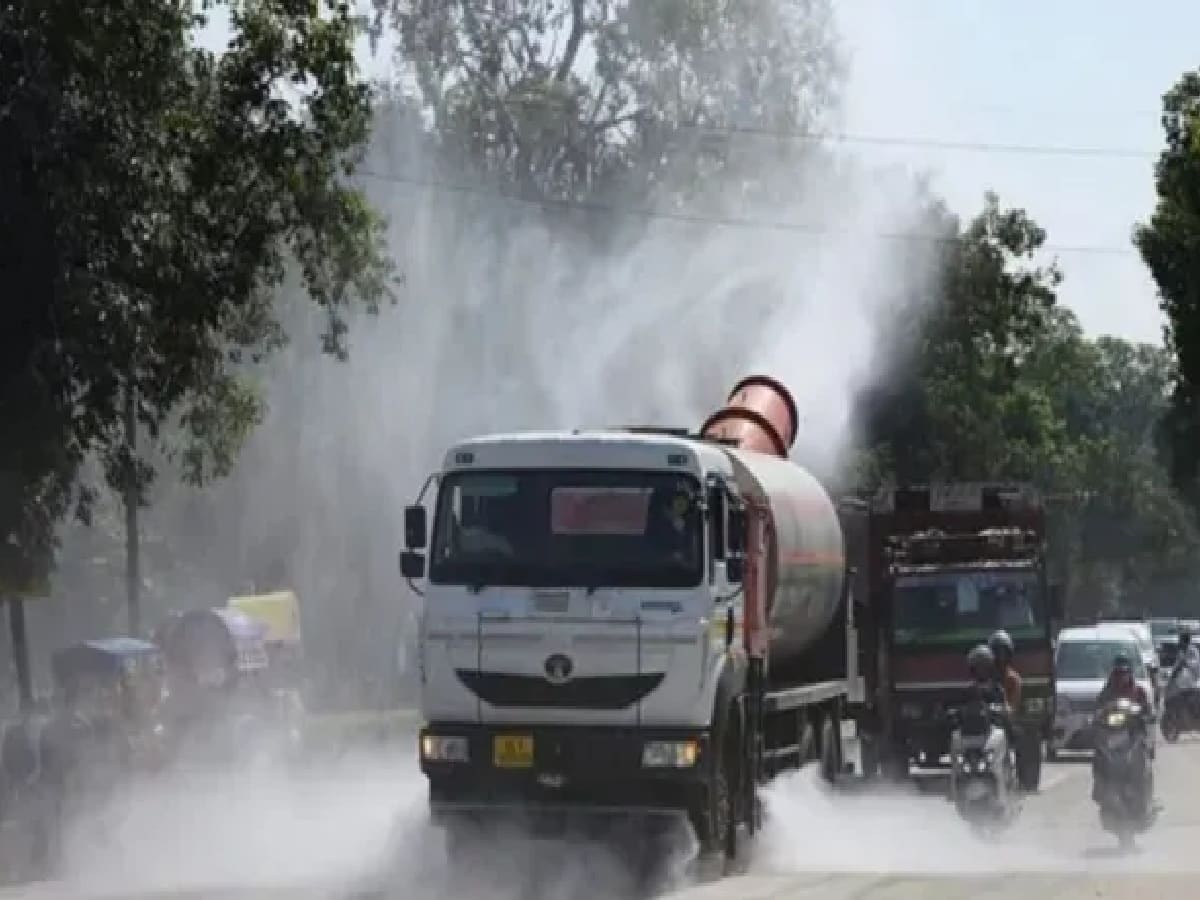
To tackle farm-gate emissions and fugitive dust, the Central Pollution Control Board (CPCB) in coordination with neighboring state pollution authorities has deployed more than 300 specialized task-force teams across vulnerable agricultural districts in Punjab, Haryana, and western Uttar Pradesh, functioning around the clock under real-time command-room supervision. Parallelly, CAQM has imposed an immediate moratorium on structural demolitions and dust-heavy construction activities across the NCR basin, while mandating continuous 24-hour monitoring across designated pollution hotspots. Under the customized Winter Action Plans effective November 1, municipal administrations must execute comprehensive mechanical road vacuuming, high-intensity water mist sprinkling, 100 percent scientific municipal solid waste collection, and total enforcement against open biomass disposal, unregulated diesel generator sets, and commercial coal ovens or tandoors.




