






UPI MDR on Payments Above ₹2,000: New Rollout Date Awaited
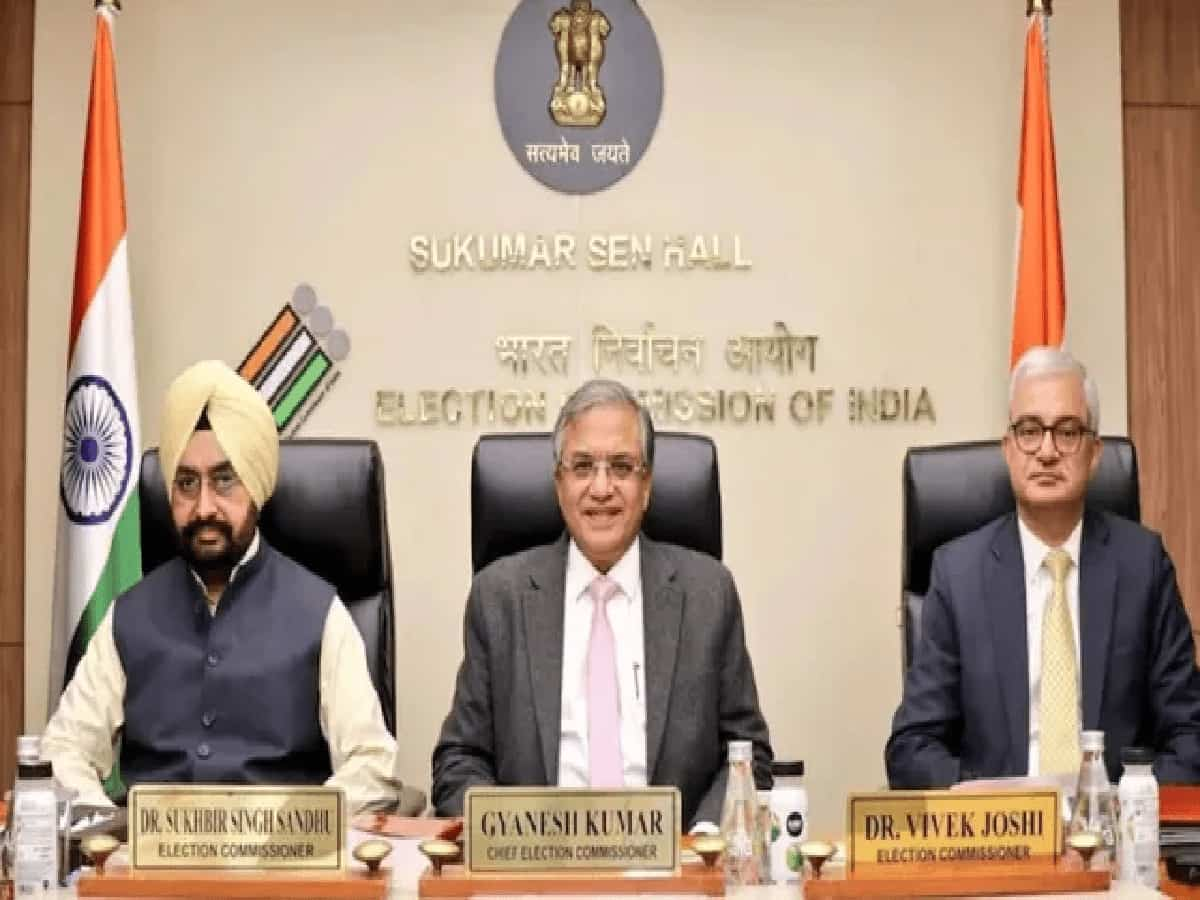
Following the festive rush of Diwali and subsequent holiday shopping seasons, commercial traders, retailers, and payment aggregators across India are closely monitoring the National Payments Corporation of India (NPCI) for clarity on the implementation timeline of the revised Merchant Discount Rate (MDR) on Unified Payments Interface (UPI) transactions. The umbrella payments organisation had originally scheduled the phased rollout of MDR on select Person-to-Merchant (P2M) transactions for October 15. However, to shield trade networks and small business owners from unexpected processing overheads during the peak consumer purchasing window, NPCI’s UPI and Services Steering Committee deferred the rollout, indicating that fresh enforcement dates would be formally notified immediately after the conclusion of Diwali festivities.
With trading hubs returning to regular business routines from major metropolitan centres to tier-two and tier-three commercial markets, merchant confederations are actively seeking definitive operational guidelines. While certain industry projections suggest the updated MDR framework could take effect during late November, market discussions also point toward a potential postponement to January 1, 2027, to provide banking institutions and fintech aggregators sufficient time for back-end enterprise billing adjustments. Until NPCI publishes an official circular, businesses are preparing their point-of-sale systems and settlement accounts for the upcoming shift in India's digital payment ecosystem.
Understanding the Fee Structure: 0.4% Rate with a ₹300 Ceiling
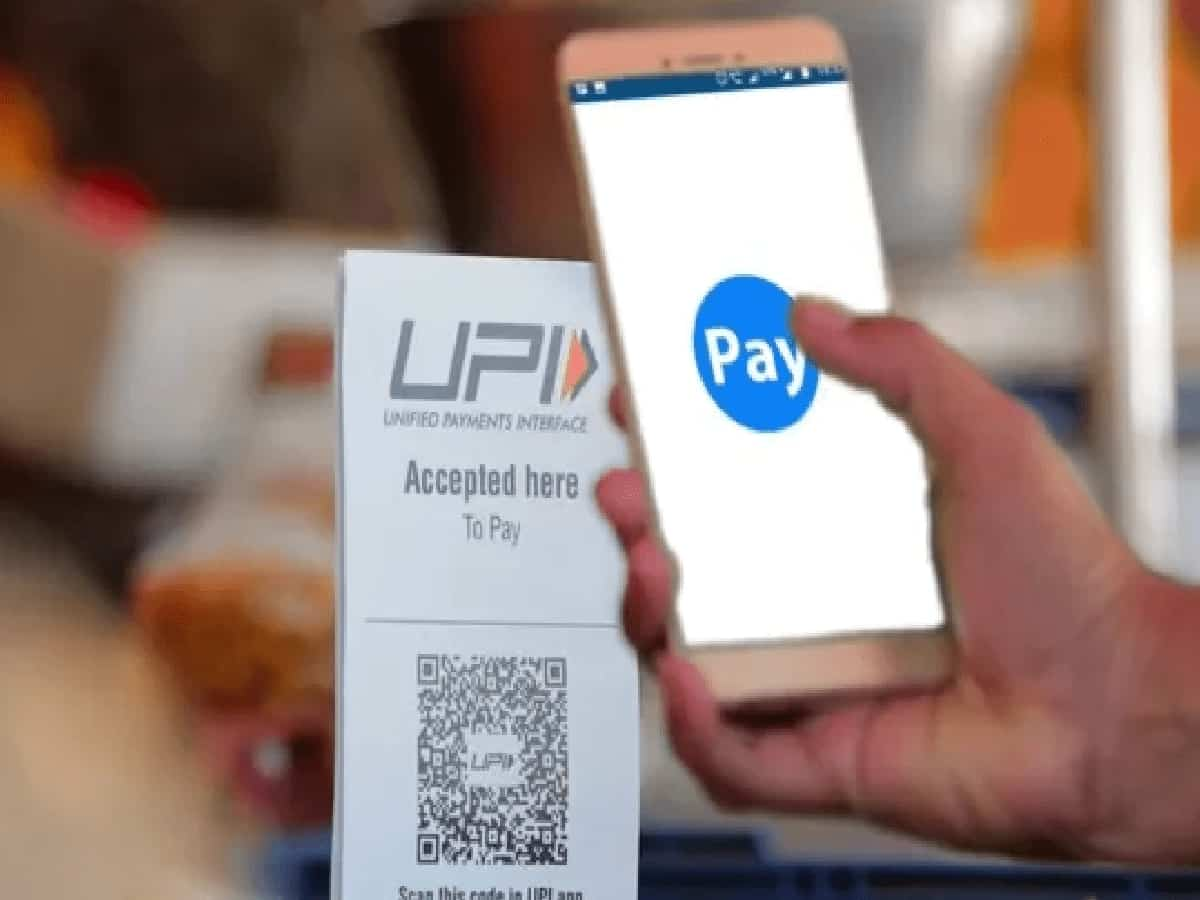
The impending policy change marks a transition in the monetization of high-value merchant digital collections. Under the guidelines framed by NPCI, standard commercial P2M UPI transactions exceeding ₹2,000 will attract an MDR fee of 0.4 percent. To prevent excessive costs on large-ticket retail sales, regulatory authorities have introduced a mandatory cap of ₹300 per transaction, applicable to settlements of ₹75,000 and above.
The math behind the mechanism ensures that merchant deductions remain predictable and far lower than traditional credit or debit card swipe fees. For instance, if an electronics retailer or jewelry store processes a customer UPI transfer of ₹5,000, the applicable 0.4 percent deduction will amount to ₹20. Similarly, a ₹50,000 transaction will attract an MDR deduction of ₹200. However, for high-ticket purchases of ₹1,00,000—which would normally generate a mathematical fee of ₹400 at 0.4 percent—the statutory fee cap automatically intervenes, restricting the merchant’s processing deduction to ₹300.
Sector-Specific Concessions: Flat ₹5 Fee and Capital Market Slabs
Recognizing that essential public utility operations and high-volume, low-margin sectors cannot absorb standard percentage-based merchant cuts, NPCI has formulated dedicated concessional categories. For essential segments including Indian Railways ticketing, telecommunications recharges, insurance premium collections, agricultural supplies, and retail fuel stations, a flat processing fee of ₹5 will apply to transactions exceeding ₹2,000, completely replacing the 0.4 percent variable charge. Under this provision, a petrol pump attendant receiving ₹4,500 via UPI for a vehicle tank refill will incur an MDR fee of ₹5 rather than an otherwise applicable ₹18 cut.
A tailored framework has also been established for the financial and capital markets ecosystem. High-volume investment payments made toward mutual funds, stockbroker depository accounts, and secondary market securities will attract a concessional MDR rate of 0.02 percent, also subject to an overarching ₹300 maximum fee ceiling. This tiered architecture guarantees that institutional investment pipelines and daily utility payments maintain steady operational continuity without facing steep interchange charges.
Zero Impact on Consumers: Everyday UPI and Small Vendors Remain Free
A critical factor for general consumers and retail shoppers is that the MDR framework is strictly an internal merchant-side processing levy settled between commercial acquiring banks, payment aggregators, and business enterprises. End users will not pay an additional rupee when scanning QR codes or completing payments through third-party UPI applications like PhonePe, Google Pay, or Paytm. The Union Ministry of Finance and banking regulators have instructed financial institutions to ensure that merchants do not pass on MDR charges directly to shoppers at billing counters.
Furthermore, individual peer-to-peer (P2P) transfers remain completely free of cost. Sending money to family members, transferring funds between self-held bank accounts, or splitting domestic bills with acquaintances will incur zero charges, regardless of the transaction value. Daily low-ticket retail transactions are also ring-fenced from any fee: all P2M merchant payments up to ₹2,000 carry zero MDR. Data from the Union Finance Ministry indicates that nearly 96 percent of all merchant UPI transaction volumes across India fall comfortably below the ₹2,000 threshold or are handled by exempt neighborhood shops under the Person-to-Person-Merchant (P2PM) category (vendors receiving inward credits up to ₹1 lakh monthly.