







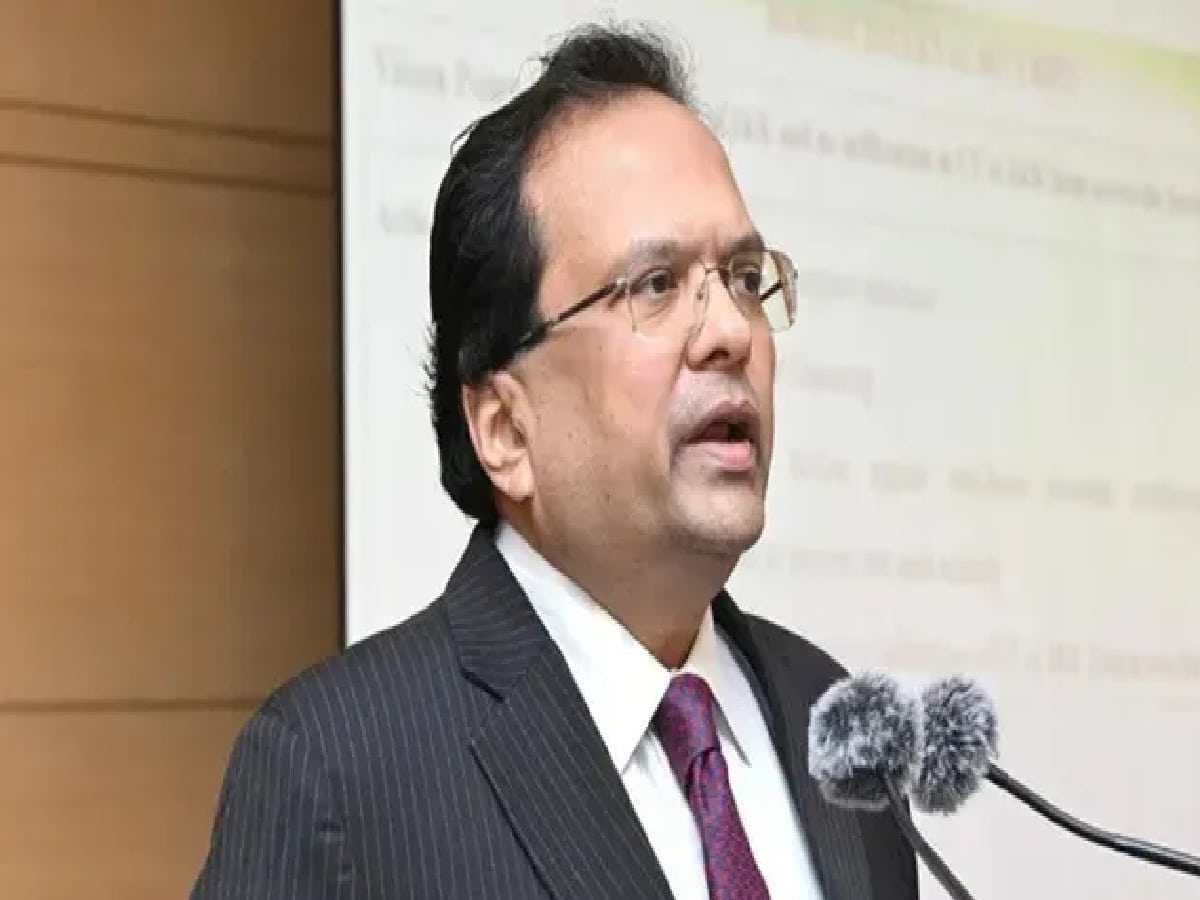
Union Home Secretary Alerts IPS Officers to Cyber Threats, Narcotics, and Smart Borders
Addressing the passing out parade of the 78th batch of Indian Police Service (IPS) probationers at the Sardar Vallabhbhai Patel National Police Academy (SVPNPA) in Hyderabad, Union Home Secretary Govind Mohan declared that India's domestic security architecture has undergone a fundamental transformation. While legacy threats that previously dominated the operational landscape—such as organized terrorism and Left-Wing Extremism (Naxalism)—have been brought under decisive control through sustained administrative and tactical pressure, a sophisticated spectrum of asymmetric challenges has surfaced in their place. Modern policing, Mohan cautioned, is no longer confined to conventional physical policing; instead, it demands strategic mastery over digital domains, border surveillance networks, and transnational crime syndicates that actively target the nation's economic stability and social cohesion.
Transcending Legacy Threats: Cyber Warfare and Transnational Cartels as the New Frontier
Conveying a high-level directive from Union Home Minister Amit Shah, the Home Secretary emphasized that the central government maintains an unyielding zero-tolerance policy against all forms of extremism, backed by rapid-response capabilities and real-time intelligence synergy among federal and state security apparatuses. However, as insurgent and extremist footprints shrink nationwide, law enforcement officers must recalibrate their preparedness to confront the rising influx of complex cyber fraud, automated critical infrastructure disruptions, dark-web narcotics smuggling, and coordinated illegal migration. The Union Home Minister’s message underscored that modern policing requires agile, forward-looking officers who can dismantle invisible digital criminal conspiracies, trace illegal financial flows across global jurisdictions, and preempt covert psychological operations designed to disrupt communal equilibrium.
Deploying the 'Smart Border' Framework: Engineering a Tech-Driven, Drug-Free India
To effectively seal the nation's frontiers against both physical and covert incursions, the Home Secretary highlighted the operational significance of the Centre's flagship "Smart Border" initiative. This modern security model moves beyond static physical fences, deploying an integrated technological web of advanced sensory equipment, thermal surveillance arrays, automated digital checkpoints, and centralized data-sharing platforms that connect cross-border vigilance units with centralized command centers. Turning to the strategic campaign for a "Drug-Free India" (Nasha Mukt Bharat), Mohan noted that crushing the narcotics menace demands dynamic inter-agency cooperation, forensic financial auditing to seize kingpins' illicit assets, and tech-driven investigations that sever supply lines before contraband reaches vulnerable youth. Charging the newly commissioned IPS probationers with the guardianship of the republic's evolving defense architecture, Mohan urged the officers to champion proactive institutional leadership, technological adaptability, and unwavering constitutional fidelity as they step onto the frontline of national security.




