'Two Donkeys' Slur to Leaks and Abrupt Exits: Inside the Election Commission's History of Bitter Turf Wars
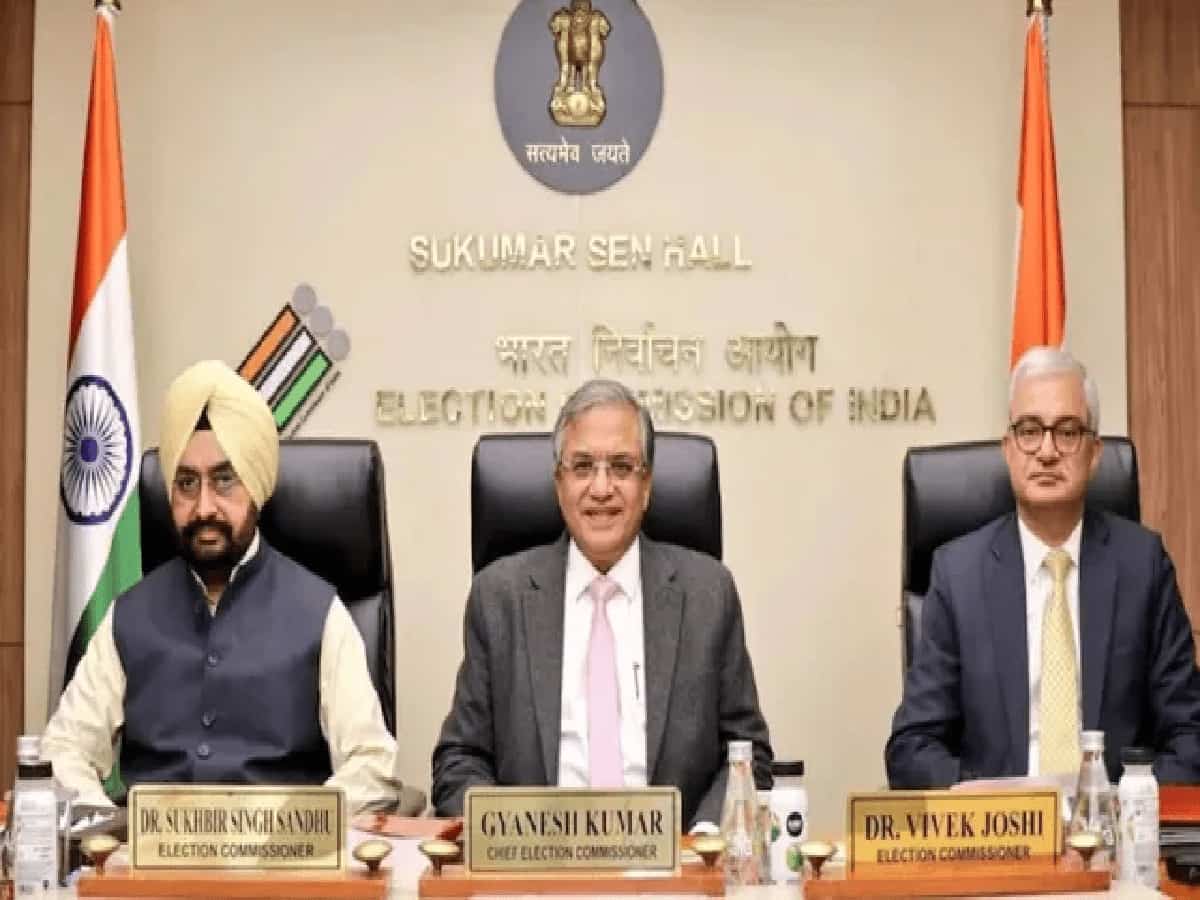
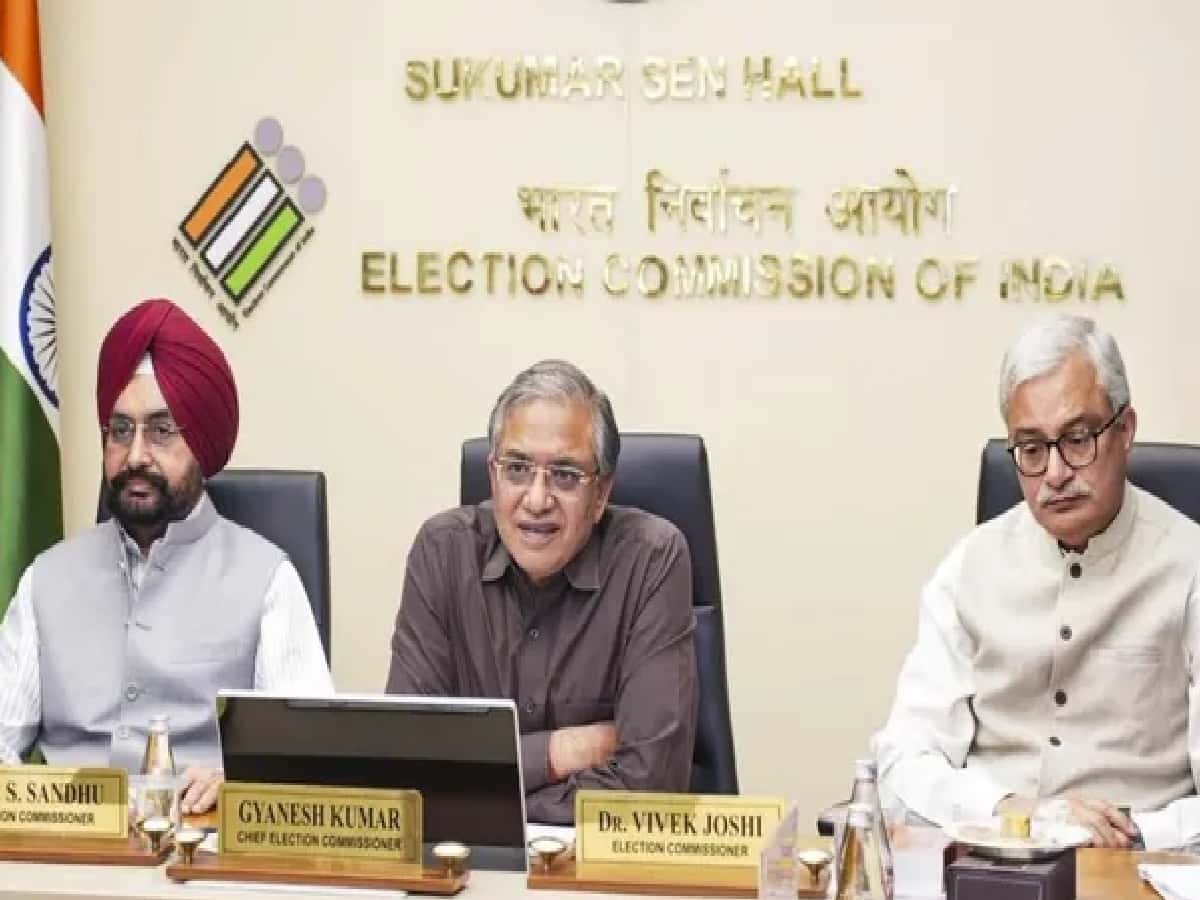
While fresh reports of internal friction within the Election Commission of India (ECI) have triggered national debate, institutional discord at Nirvachan Sadan is far from unprecedented. The history of open dissent, ego clashes, and ideological rifts dates back to October 1989, when the poll panel was first expanded from a single-member entity into a multi-member constitutional body. The transition created structural friction between the Chief Election Commissioner (CEC) and fellow Election Commissioners, sparking legendary turf wars that have repeatedly tested the delicate balance of India's electoral leadership.
The Genesis of Discord: 1989 Expansion and T.N. Seshan’s Fierce Rebellion
The multi-member experiment began abruptly in October 1989 with the appointments of S.S. Dhanoa and V.S. Seigell alongside then-CEC R.V.S. Peri Sastri. Though Sastri refrained from public outbursts, the move was widely viewed as an executive attempt to rein in the CEC's unilateral authority. The arrangement was short-lived, with the two posts rescinded by January 1990. However, the conflict escalated dramatically in October 1993 under legendary CEC T.N. Seshan, when the P.V. Narasimha Rao government re-established the three-member commission by appointing M.S. Gill and G.V.G. Krishnamurthy.
Viewing the appointments as a blatant assault on institutional independence, Seshan launched an open revolt. He barred both commissioners from attending crucial internal meetings, withheld sensitive government files, refused to allocate official duties, and challenged the government's ordinances in court. In unfiltered media interviews, Seshan publicly mocked his colleagues, famously quipping that he had "two donkeys in my office." The standoff culminated in a landmark 1995 Supreme Court verdict, which settled the constitutional framework by ruling that the CEC is merely "first among equals," establishing that all three commissioners wield identical statutory voting powers and equal decision-making authority.
The 2009 Pre-Election Firestorm: Gopalaswami Recommends Chawla’s Sacking
Another institutional showdown erupted between 2006 and 2009 involving then-CEC N. Gopalaswami and Election Commissioner Navin Chawla. Just months before the 2009 Lok Sabha elections, Gopalaswami submitted a formal recommendation to the President of India seeking Chawla's removal, citing alleged partisan bias toward the ruling Congress party. In his communication, Gopalaswami alleged that Chawla routinely took tactical restroom breaks during confidential Commission sessions to leak internal deliberations to senior political figures. The Manmohan Singh-led central government rejected the recommendation, and Chawla subsequently succeeded Gopalaswami as Chief Election Commissioner.
Modern Dissent and Resignations: Ashok Lavasa and Arun Goel
Tensions inside the Commission have resurfaced in recent general election cycles. During the 2019 Lok Sabha elections, stark differences emerged between then-CEC Sunil Arora and Election Commissioner Ashok Lavasa. Lavasa submitted formal dissent notes regarding clean chits issued on complaints alleging Model Code of Conduct (MCC) violations by top political leaders, arguing that dissenting opinions should be officially recorded in minority orders. The Commission maintained that dissent is only documented in quasi-judicial rulings. Lavasa subsequently resigned in August 2020, two years before the end of his constitutional tenure, to take up the post of Vice-President at the Asian Development Bank (ADB) in Manila.
The pattern of mid-tenure exits recurred on March 9, 2024, when Election Commissioner Arun Goel resigned unexpectedly just days before the formal announcement of the 2024 parliamentary elections. While Goel cited personal reasons in his resignation letter, the move prompted widespread political and media speculation regarding irreconcilable friction with then-Chief Election Commissioner Rajiv Kumar, highlighting how the multi-member constitutional bench remains subject to internal differences.