







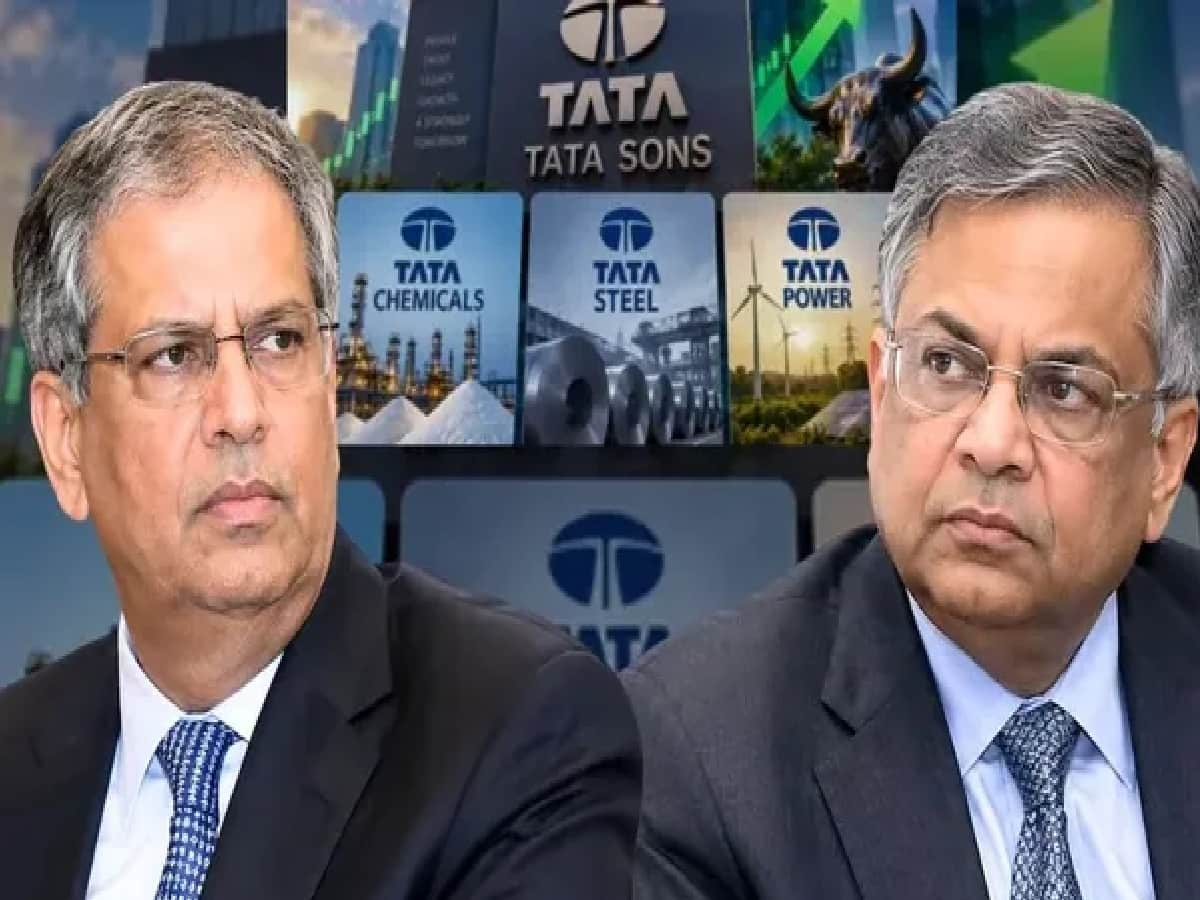
Tata Sons Board Meet on Nov 26: IPO vs. Merger & SP Group ₹25,000 Cr Plan
Tata Sons, the apex holding company of the salt-to-software Tata Group, is entering one of the most consequential boardroom weeks in its 158-year history as directors prepare for a high-stakes meeting scheduled for Thursday, November 26, 2026—even amid reports that Tata Trusts Chairman Noel Tata has sought a deferral over unresolved governance disputes. Reported across national business desks on Monday, November 23, 2026, the six-member Tata Sons board faces a defining strategic crossroads: whether to comply with the Reserve Bank of India's (RBI) November 16, 2026 communication reiterating mandatory stock-exchange listing norms for Upper-Layer Non-Banking Financial Companies (NBFC-UL), or to pursue Tata Trusts' September 28 restructuring proposal to merge two group entities into Tata Sons so the parent exits the Core Investment Company (CIC) and NBFC regulatory framework altogether and remains privately held. Inside the boardroom, divisions have sharpened markedly: Noel Tata opposes an Initial Public Offering (IPO), arguing that regulatory compliance does not restrict the company solely to listing and that outside public shareholders could dilute the Trusts' philanthropic ethos, whereas the remaining five directors—backed by Tata Sons Chairman N. Chandrasekaran as well as fellow Tata Trusts trustees Venu Srinivasan, Vijay Singh, and Jimmy Tata—favor adhering to the RBI's listing mandate after the central bank rejected Tata Sons' CIC deregistration application on September 11, 2026. Layering further complexity onto Thursday's seven-point agenda is a ₹25,000 crore proposal from the Shapoorji Pallonji (SP) Group—which holds an 18.37%–18.4% stake in Tata Sons—seeking to monetize a portion of its shareholding via a selective reduction of capital valued under Rule 11UA of the Income Tax Rules, alongside sharp legal disagreements between senior counsels Harish Salve (for Tata Sons) and Abhishek Manu Singhvi (for Tata Trusts) over Article 121 voting rights and the disputed minutes of the September 17 board meeting. For corporate watchers, investors, and Tata Group stakeholders across Mumbai, New Delhi, Bengaluru, Pune, Jamshedpur, Lucknow, and Unnao, the outcome will shape India's largest conglomerate for decades.
Tata Sons Nov 26 Board Meeting: IPO vs. Merger, Article 121 & SP Group ₹25,000 Cr Plan
To bring together the verified regulatory timeline from the Reserve Bank of India (RBI), the competing legal interpretations of Article 121, and the seven major agenda items slated for Tata Sons' board meeting, the tables below summarize the complete corporate briefing:
Regulatory Timeline & Competing Strategic Options Before Tata Sons
| Strategic Option / Milestone | Verified Dates & Details (As of Nov 23, 2026) | Corporate & Governance Implications |
| RBI Upper-Layer NBFC Mandate |
Sept 30, 2022: RBI classifies Tata Sons as NBFC-UL (3-year listing window to Sept 30, 2025). Sept 11, 2026: RBI rejects Tata Sons' March 2024 CIC surrender plea. Nov 16, 2026: In response to Tata Sons' Oct 6 query, RBI reiterates mandatory compliance with NBFC-UL listing rules (without setting a new cut-off date). |
Backed by 5 of 6 Tata Sons directors and senior counsel Harish Salve, who argues shareholder disagreement cannot override an RBI directive and listing enhances governance transparency. |
| Tata Trusts' Merger & Restructuring Plan | Submitted on Sept 28, 2026 (invoked for vote via Article 121B by Noel Tata). Proposes merging two group companies into Tata Sons to transform it into an operating entity outside NBFC/CIC norms. | Championed by Noel Tata to keep Tata Sons privately held and preserve Tata Trusts' (~66%) control; requires prior RBI and NCLT approvals. |
| Shapoorji Pallonji (SP) Group ₹25,000 Cr Proposal | Request by SP Group (~18.37%–18.4% holder) to monetize a slice of its stake for ₹25,000 crore via selective capital reduction. | Valued under Rule 11UA of Income Tax Rules, payable in two or more instalments over 18 months without fresh borrowing (via internal cash flows, listed stake sales, or new-business monetization), subject to NCLT and special shareholder approval. |
Seven Agenda Items & The Article 121 Boardroom Dispute
| Governance / Agenda Dimension | Core Positions & Contested Details |
| Disputed Sept 17 Board Minutes (First Item) | Before debating new resolutions, N. Chandrasekaran must sign off on the September 17, 2026 board minutes. Noel Tata insists his dissent against Chandrasekaran's third-term reappointment and his interpretation of Article 121 be formally recorded. |
| Article 121 Legal Clash (Salve vs. Singhvi) |
Tata Trusts / Abhishek Manu Singhvi: Argue affirmative consent of both Trust-nominated directors (Noel Tata and Venu Srinivasan) is required for major resolutions. Tata Sons / Harish Salve: Maintain that when the two Trust nominees split (as happened on Sept 17), Article 121 empowers the meeting chair to exercise a casting vote. |
| Other Operational & Financial Items | Dematerialization of Tata Sons shares (including holdings of Trusts and Ratan Tata), Q2 FY27 financial results, review of Tata Sons' guarantees and investments, and business performance reviews of Agratas (battery venture), Tata AIG General Insurance, Tejas Networks, and Air India. |
How the RBI's November 16 Letter and Article 121 Set Up a 5:1 Boardroom Showdown
The confrontation heading into November 26 stems directly from the RBI's November 16, 2026 letter, which responded to Tata Sons' October 6 request for regulatory guidance by reiterating that all Upper-Layer NBFC directions—including mandatory listing—remain binding. While Noel Tata has questioned whether management sought RBI clarity on the Trusts' September 28 merger alternative and even sought a deferral of the November 26 meeting, any vote on Thursday is widely projected to split 5:1—reigniting the constitutional battle over Article 121 between Harish Salve's regulatory-compliance stance and Abhishek Manu Singhvi's assertion of controlling shareholder supremacy.
Why the ₹25,000 Crore SP Group Stake Buyback and Q2 Reviews Carry High Stakes
Alongside the IPO-versus-merger question, Chairman N. Chandrasekaran is expected to present a funding assessment for the Shapoorji Pallonji Group's ₹25,000 crore partial exit via Rule 11UA selective capital reduction—detailing how Tata Sons could finance the 18-month payout through internal cash flows, partial sales of listed holdings, or stake monetization in newer ventures without taking on new debt. Combined with Q2 FY27 results, share dematerialization, and operational reviews of Air India, Agratas, Tejas Networks, and Tata AIG, Thursday's deliberations will define the financial and governance architecture of the Tata Group.




