Supreme Court Directs Government to Reconsider Delhi Metro and Train Bans Ahead
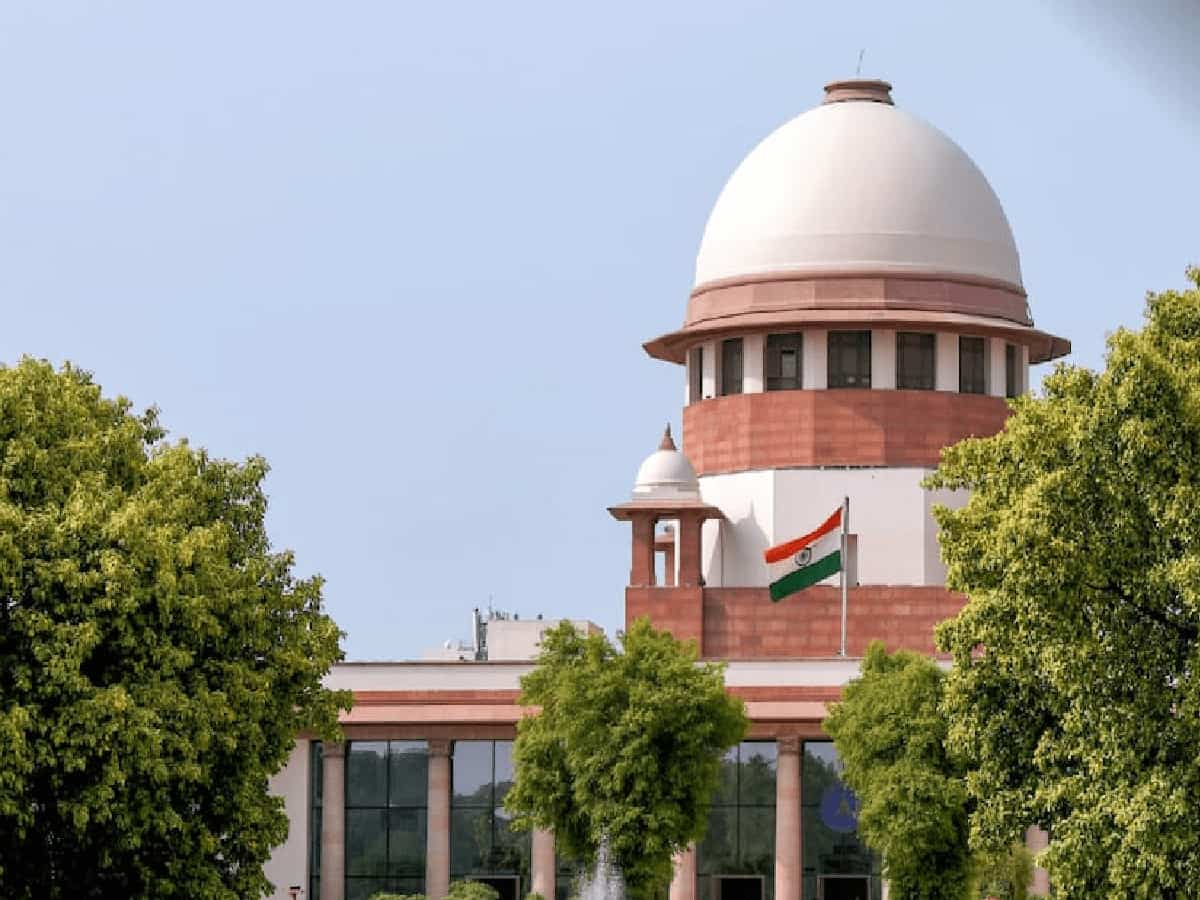
In a significant judicial intervention addressing massive public disruption, the Supreme Court of India has strongly advised the government to reconsider sweeping restrictions on the Delhi Metro, railways, and road traffic ahead of the scheduled Cockroach Janata Party (CJP) protest on October 10, 2026. Presided over by a three-judge bench headed by Chief Justice of India (CJI) Surya Kant, the apex court emphasized that while maintaining public order is essential, administrative authorities must avoid disproportionate measures that paralyze the entire city.
"Like Using a Hammer to Kill a Fly": CJI Slams Blanket Closures
With 57 metro stations shuttered and incoming train services halted across major transit hubs like New Delhi and Nizamuddin stations, senior legal minds and citizens flooded the courts.
-
The Bench's Stance: Criticizing the heavy-handed lockdown approach, CJI Surya Kant remarked, "You can take appropriate measures, but that doesn't mean you should use a hammer to kill a fly. This should always be kept in mind."
-
Solicitor General's Assurance: Following the court's strict advisory, Solicitor General Tushar Mehta assured the bench that he would consult authorities to ensure balanced measures are implemented, traffic flow is maintained, and an official advisory is issued to minimize commuter distress.
High-Profile Legal Arguments and Bench Observations
The courtroom witnessed intense arguments from prominent senior advocates, including Kapil Sibal, Abhishek Manu Singhvi, Gopal Shankarnarayan, Prashant Bhushan, and Vrinda Grover:
-
Plea for Stranded Citizens: Raising concerns over the sweeping shutdown, Kapil Sibal argued, "Everything has been shut down. What is happening in my country?" Gopal Shankarnarayan pressed for the immediate lifting of blanket rail and metro bans.
-
Geographical Constraints of Jantar Mantar: The bench also highlighted practical logistical concerns regarding the protest site, noting that Jantar Mantar's limited space creates severe bottlenecks affecting sanitation, medical access, and fundamental rights. Justice Joymalya Bagchi echoed these concerns, reiterating that road transport and mass transit networks cannot be completely paralyzed.
Balancing Protest Rights with Public Mobility
The Supreme Court underscored the complex challenge of balancing the democratic right to peaceful assembly with the absolute necessity of ensuring public certainty and mobility. While the organizers' legal permissions and protest locations remain under judicial scrutiny, the apex court has made it clear that everyday commuters—including students, office workers, and daily wage earners—cannot be left stranded without transportation.