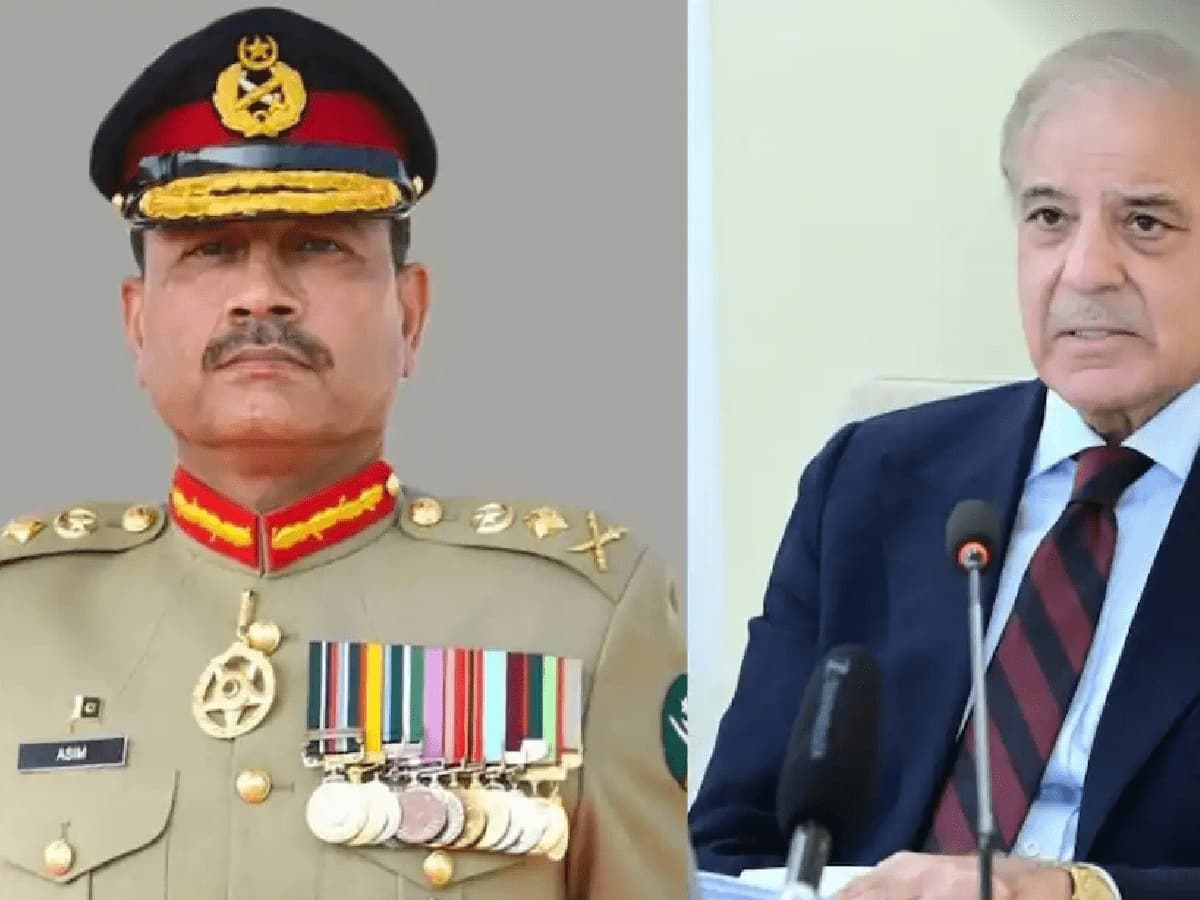
Pakistan Army Chief General Asim Munir Orders Troops Deployment to Saudi Arabia Amid Houthi
In a bold move that once again exposes the absolute dominance of the military over civilian authority in Islamabad, Pakistan's Army Chief, Field Marshal Asim Munir, has reportedly greenlit the deployment of additional Pakistani troops to Saudi Arabia. The high-stakes strategic decision comes amid escalating regional tensions and ongoing attacks by Houthi rebels against the Saudi kingdom. Crucially, General Munir achieved this by completely bypassing Prime Minister Shahbaz Sharif and ignoring a historic parliamentary resolution passed 11 years ago.
The Mecca Defense Treaty and the Houthi Conflict
While the Pakistani parliament famously voted a decade ago to distance its armed forces from direct entanglement in the Houthi rebel conflict, military leadership has charted an entirely new course:
-
The Treaty's Enactment: Pakistan signed the Mecca Defense Treaty with Saudi Arabia and Turkey in August, which officially came into effect following a surge in Houthi ballistic missile and drone strikes targeting Saudi territory.
-
Expanding Troop Presence: According to international media reports and Reuters data, the joint defense pact builds upon a 2025 agreement that had already seen Islamabad deploy approximately 8,000 troops to the Gulf kingdom by May.
Civilian Oversight Sidelined: "Times Have Changed"
When questioned about the deployment protocols, Pakistan's Information Minister maintained that all necessary governmental procedures were adhered to, though details regarding cabinet approval or parliamentary debate remained ambiguous under the guise of "operational confidentiality."
Weighing in on the constitutional bypass, Michael Kugelman, senior South Asian affairs analyst and director of the South Asia Institute at the Wilson Center (formerly at the Atlantic Council), noted the dramatic shift in Pakistan's political landscape: "There have been times in the past when the Pakistani parliament would vote to send the army anywhere and the Pakistani army would follow those parliamentary decisions, but times have changed."
With a heavily weakened parliament and the executive branch relegated to a secondary status, General Munir's unilateral defense diplomacy underscores how military headquarters in Rawalpindi continues to dictate Pakistan's foreign and defense engagements independently.