







SC Disposes Petitions as UP Files Chargesheet; Petitioners to Assist Trial
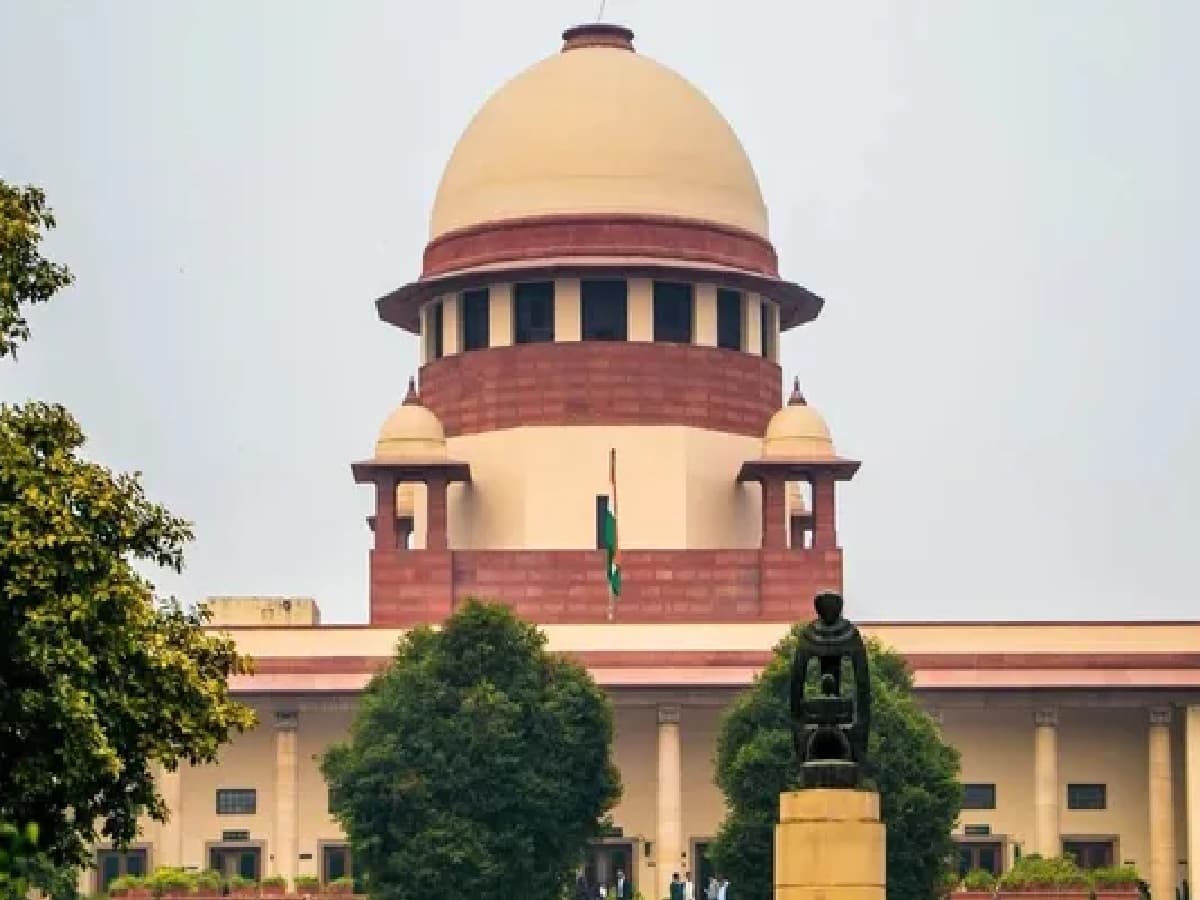
The Supreme Court of India on Monday disposed of petitions concerning the alleged theft and misappropriation of cash donations offered by devotees at the Shri Ram Janmabhoomi Temple in Ayodhya, formally transferring further oversight to the local judiciary following the submission of a comprehensive police chargesheet. A bench presided over by Chief Justice of India Surya Kant directed the jurisdictional judicial magistrate in Ayodhya to proceed with the trial strictly in accordance with criminal law, noting that statutory investigation protocols had concluded with formal charges against the accused. While disposing of the petitions, the apex court clarified that it had deliberately refrained from expressing any opinion or observation on the factual merits or veracity of the allegations, leaving all evidentiary determinations entirely to the competence of the trial court.
Modus Operandi During Donation Counting: Offerings Diverted to Private Accounts
Representing the Uttar Pradesh state administration during the hearing, Solicitor General Tushar Mehta informed the bench that the alleged financial irregularities occurred during the manual counting of offerings deposited in temple donation boxes (danpatras). According to state investigators, certain personnel and administrative staff deployed inside the counting enclosures allegedly siphoned off substantial tranches of currency notes, subsequently depositing the unaccounted funds into personal bank accounts or redirecting them into private investments. Mehta submitted that following an exhaustive investigation into the transaction trails and custody logs, law enforcement authorities finalized and submitted a detailed chargesheet before the local court, thereby rendering ongoing apex court oversight redundant under standard criminal procedure.
Public Interest and Victim Rights: Complainants Cleared to Assist Trial Magistrate
Recognizing the broad public interest and sanctity associated with temple donations, the Supreme Court permitted the petitioners to actively participate in and assist the local magistrate throughout the trial proceedings, applying legal standards analogous to those that allow victims to assist public prosecutors in serious criminal trials. The top court underscored that granting audience to the petitioners should not be construed as judicial validation of the allegations, but rather as a procedural safeguard ensuring transparency during witness examinations and trial arguments. With the apex court’s disposal of the petitions, the legal battle now moves to the local magistrate's court in Ayodhya, where trial proceedings will determine criminal liability and accountability regarding the management of temple offerings.




