







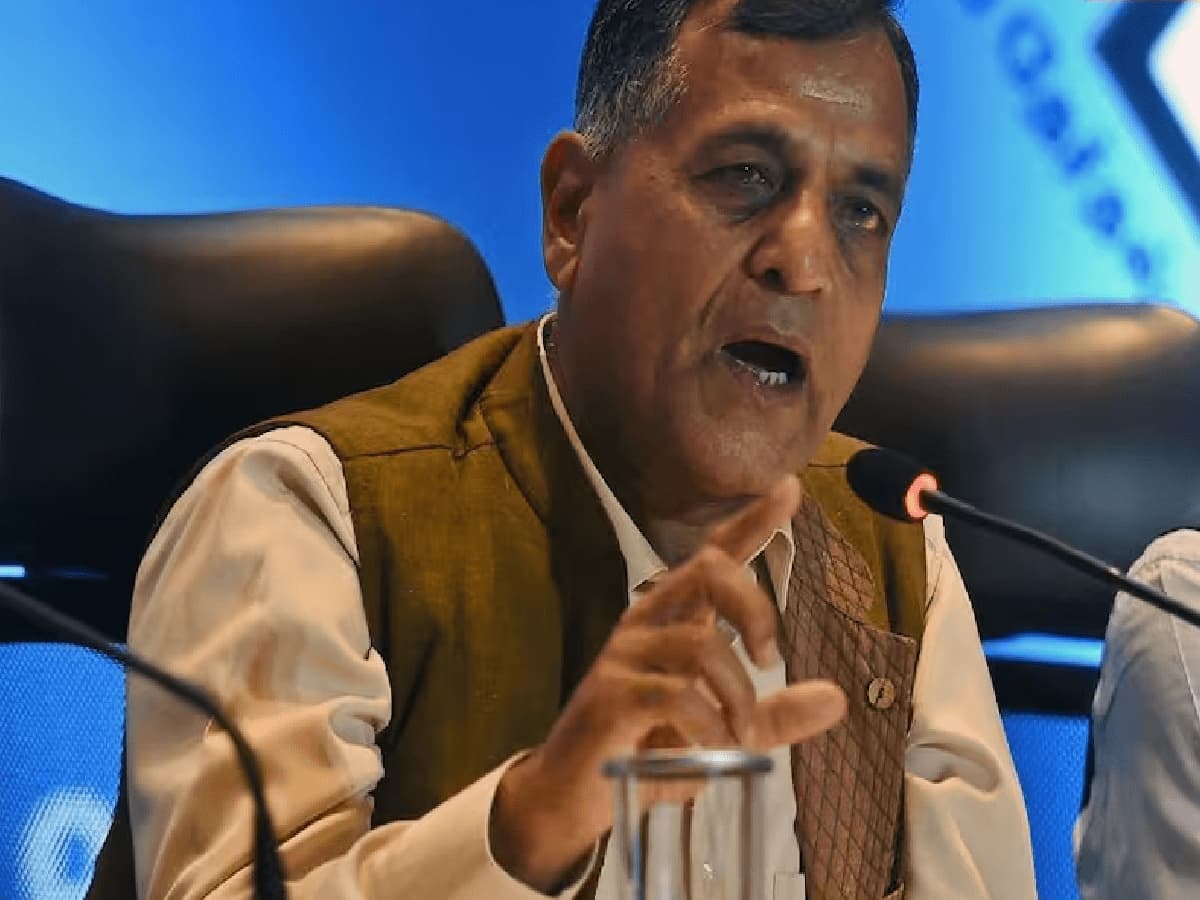
'Regain Public Trust': Former Election Commissioner Ashok Lavasa Cites Cricket Umpire Analogy
In a significant intervention amid escalating political friction over electoral processes, former Election Commissioner of India Ashok Lavasa addressed the controversy surrounding the ongoing Special Revision Campaign (SIR) on Tuesday, urging the Election Commission of India (ECI) to urgently rebuild public confidence. Addressing a citizens' convention in Kolkata via video conference, Lavasa emphasized that democratic faith hinges entirely on the perception of institutional neutrality. He warned that if voters begin to doubt the impartiality of the election watchdog, even legitimate democratic mandates will face persistent public skepticism, comparing the dynamic to a cricket match where a compromised umpire discredits the victor's triumph.
The Cricket Analogy: Why Perceived Impartiality Dictates Electoral Legitimacy
Drawing parallels between professional sports and democratic governance, the former commissioner highlighted the critical role of institutional integrity:
-
The Neutral Umpire Principle: Lavasa remarked that if citizens perceive the election referee to be biased, they inevitably question the credibility of the winning political party, undermining the foundational acceptance of electoral outcomes.
-
Loss of Institutional Standing: Pointing out the historically revered stature of the poll panel, Lavasa lamented that an institution once regarded as among the most trusted constitutional bodies in India is now embroiled in polarizing disputes that have driven citizens onto the streets.
-
Clashes in the National Capital: The critique arrives as opposition parties intensify street demonstrations in New Delhi against alleged vote roll discrepancies and demanding the resignation of Chief Election Commissioner (CEC) Gyanesh Kumar, leading to friction with police forces.
Internal Discord and Official Explanations: Lavasa Questions ECI Communication
The former commissioner scrutinized how the election authority has addressed reports of internal dissent:
-
Ambiguity Fuels Suspicion: Lavasa observed that official communications addressing divergent views among commission members have fallen short of providing clarity, remarking that periodic press releases have generated more questions and suspicion rather than dispelling doubts.
-
Call for Transparent Accountability: Rather than dismissing public concern, the former election commissioner advised the constitutional body to address procedural queries openly to restore its reputation for flawless conduct.
ECI Defends Deliberative Process: Divergence of Opinions Normal in Institutional Governance
Responding to criticism regarding statutory procedures and consensus building, the Election Commission outlined its operational framework:
-
Deliberative Diversity: The Commission maintained that differences of opinion, varying perspectives, and robust discussions are entirely customary and healthy during policy deliberations within any multi-member constitutional body.
-
Full Legal Validity: Reaffirming the integrity of its administrative processes, the ECI stated that all executive orders and circulars carry complete legal validity and are strictly formulated under established statutory provisions.
-
Collaborative Systemic Reforms: The poll panel emphasized that all three Election Commissioners alongside designated executive officers hold an equal prerogative to present suggestions and recommendations to reinforce India's electoral apparatus.




