







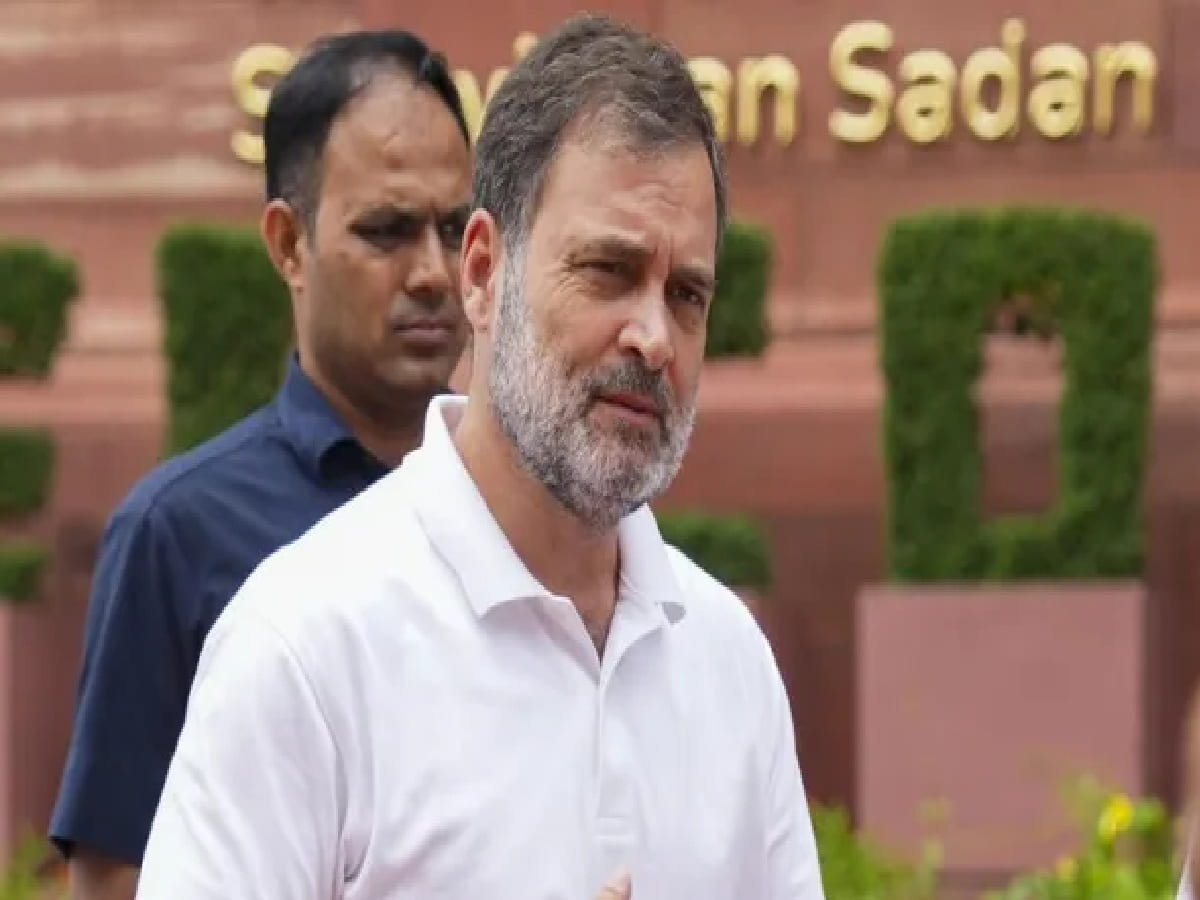
Rahul Gandhi Backs Protesting IDBI Bank Employees Over Stake Sale
In a sharp political and economic confrontation over the central government's public sector disinvestment roadmap, Leader of the Opposition in the Lok Sabha Rahul Gandhi publicly stood in solidarity with IDBI Bank employees on Friday, October 30, 2026, protesting the privatization and stake dilution of the historic financial institution. Joining the chorus of banking unions and opposition parties resisting the divestment drive, the Congress leader released a dedicated open letter addressed to the "IDBI Bank family" across his official social media platforms. Emphasizing the foundational role public sector lenders played in India's post-independence industrial expansion, Gandhi sharply contrasted the historical establishment of state-backed developmental financial institutions during successive Congress administrations with the ongoing asset monetization programs executed under the Narendra Modi-led government, triggering an intense national debate on public sector banking autonomy and job security.
'Bids Invited First, Prices Fixed Later': Rahul Gandhi Slams Strategic Sale and Alleges Disinvestment Flaws
In his open communication to the protesting bank personnel, Rahul Gandhi launched a direct offensive against the procedural transparency and economic intent of the divestment exercise. The Congress leader pointed out that the Industrial Development Bank of India (IDBI) was initially established as an apex development bank under Congress governance with the core mission of fueling heavy industry, modern infrastructure, and national self-reliance. Criticizing the current administration's transactional approach, Gandhi alleged that during Prime Minister Narendra Modi’s tenure, bidding procedures were reversed by inviting prospective suitors before fixing baseline valuations, claiming that while previous leadership systematically built institutions, the present government has prioritized selling them off. Extending his unwavering support to the rank-and-file banking workforce and affiliated trade unions staging protests across state capitals, Gandhi affirmed that the broader struggle against handing public assets over to private conglomerates remains integral to protecting the nation's long-term economic sovereignty and public sector employment protections.
Centre Defends Restructuring: CCEA Approvals, RFP Valuation Protocols, and the Fairfax Transaction
Responding to the opposition's allegations and ongoing employee agitations, the central government reaffirmed that the disinvestment of its equity in IDBI Bank constitutes a transparent, well-considered strategic restructuring initiative aimed at unlocking private capital and institutional agility. Clarifying the administrative trajectory, official spokespersons emphasized that the divestment parameters were executed strictly in accordance with statutory Request for Proposals (RFP) guidelines, having secured prior clearances from both an empowered panel of secretaries and the Cabinet Committee on Economic Affairs (CCEA). Addressing past procedural pauses, authorities noted that an earlier bidding round was responsibly terminated when received bids failed to meet the reserve valuation threshold, prompting the re-issuance of fresh bids between two shortlisted finalists. Defending the subsequent selection of Fairfax Holdings following multi-layered dual valuation methodologies, the government clarified that introductory process documents serve as indicative operational roadmaps rather than inflexible legal restrictions, maintaining that executive flexibility is essential to prevent costly administrative delays while successfully concluding complex, multi-billion-dollar strategic market transactions.




