







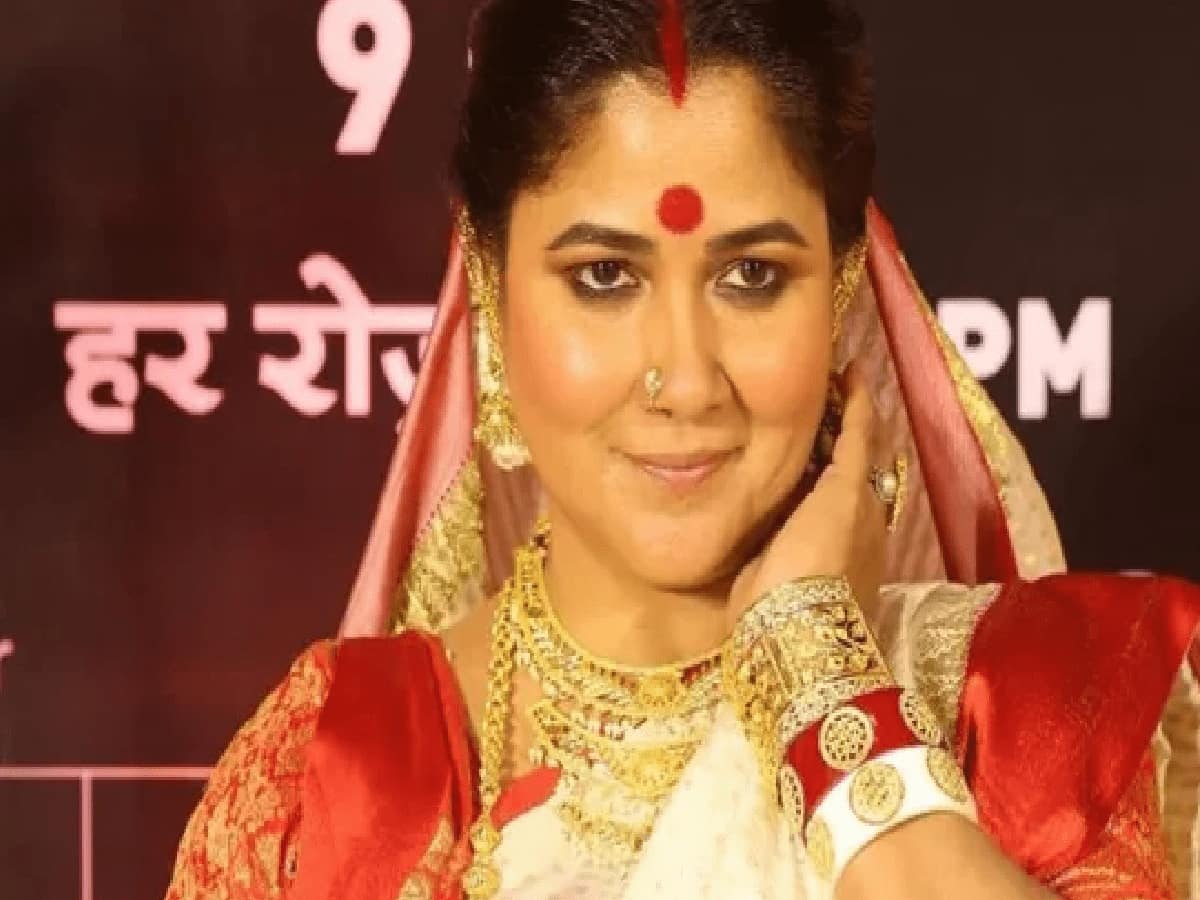
TV Star Narayani Shastri Calls Out Brutal Industry Typecasting and Flawed "Comeback" Label
Veteran television star Narayani Shastri has never been one to take the conventional route. Across a career spanning decades, the actress has consistently traded steady screen time for substantial roles, choosing deliberate breaks over playing it safe. Now stirring up high-voltage drama with her fresh entry as Bhanu in Colors TV’s drama Mahadev & Sons, Shastri opened up in an exclusive Mumbai interview about creative independence, the pitfalls of Hindi cinema editing rooms, and the pervasive stereotyping that continues to box small-screen actors into rigid corners.
Stepping Into Mahadev & Sons as Pure Drama
While television dramas thrive on sudden character introductions to spike viewership ratings, Shastri insists that off-camera friction holds zero appeal for her. Coming from a large, close-knit family where she deliberately steers clear of domestic disputes, the actress balances personal tranquility with an appetite for electric on-screen tension. Describing her newly introduced character Bhanu, Shastri remarked that her persona does not simply introduce tension to the ongoing plot of Mahadev & Sons—she embodies the drama herself. While acknowledging that crafting a character from episode one offers distinct creative advantages, stepping into an established storyline mid-run provides an entirely different creative thrill that tests an actor's craft.
Why the Industry Needs to Retire the Word "Comeback"
Long intermissions between projects have become a signature of Shastri’s career, but labeling those conscious pauses as career resurrections is something she vehemently opposes. The actress expressed strong frustration with how easily media outlets assign the word "comeback" whenever a female actor returns to screen after taking personal time or waiting for an exceptional script. In her view, choosing artistic responsibility over continuous paychecks and prioritizing quality storytelling should be recognized as professional maturity rather than treated as an uphill return to relevance.
The Real Reason Bollywood Takes a Backseat to Television
Despite acting finding her serendipitously, Shastri has maintained a noticeably cautious distance from mainstream Hindi cinema, preferring the predictability and creative control offered by daily television broadcasts. Drawing comparisons between the two mediums, she pointed out that supporting and prominent roles in feature films frequently end up heavily truncated on the editing table, leaving performers disillusioned when final theatrical cuts fail to match original promises. While her own outings as a cinematic lead protected her from drastic cuts, observing close colleagues lose pivotal work in the editing room convinced her to treat television as a more transparent, dependable creative canvas.
Television Has the Highest Degree of Typecasting
Addressing the creative limitations of Indian entertainment, Shastri did not mince words about how rapidly television categorizes talent into unbreakable molds. She pointed out that small-screen broadcasting suffers from the highest level of typecasting across the entire entertainment sector, noting that once a performer establishes an indelible identity, producers rarely offer them diverse storytelling avenues. Highlighting Urvashi Dholakia’s legendary portrayal of Komolika in Kasautii Zindagii Kay as a prime example of an actor forever linked to antagonistic parts, Shastri reflected on her own deliberate effort to shatter the "ideal heroine" stereotype. After spending her first decade headlining shows like Piya Ka Ghar, she purposefully embraced dark shades in Kkusum with the strategic backing of television czarina Ekta Kapoor.
Finding Comic Freedom on Social Media While Blocking Trolls
Unable to secure comedy projects on traditional television due to strict industry casting perceptions, Shastri turned to digital platforms like Instagram to showcase her natural comic timing. Creating spontaneous humor reels has enabled her to reveal untapped artistic facets directly to audiences without network gatekeepers. When dealing with audience feedback in the digital era, the veteran actress maintains clear boundaries: while respectful and constructive criticism is welcomed, rude behavior on her profile is met with an immediate block, underscoring her zero-tolerance stance toward toxic commentary.




