







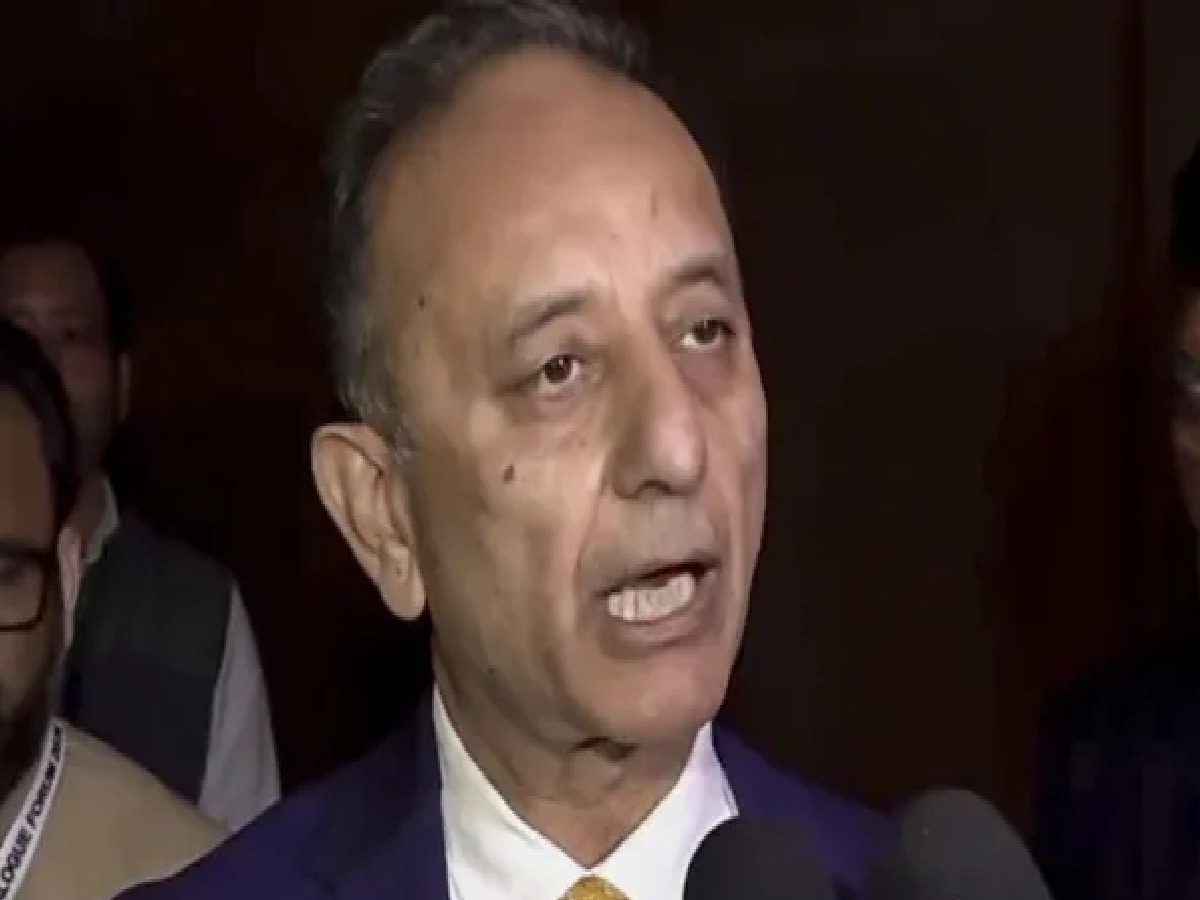
Musadik Malik Evades Hand-Cut Threat in Delhi, Seeks IWT Talks
A sharp contrast between fiery rhetoric back home and cautious diplomatic deflection in the Indian capital marked the New Delhi visit of Pakistan's Federal Minister for Climate Change and Environmental Coordination, Musadik Masood Malik, who led Pakistan's delegation to the first Shanghai Cooperation Organisation (SCO) Civilisational Dialogue Forum at Purana Qila from November 20 to 22, 2026. Highlighted across national news desks on Monday, November 23, 2026, Malik sidestepped direct questions about his June 2026 threat to "cut off that hand" aimed at stopping Pakistan's water share, instead asking New Delhi to extend a formal invitation for bilateral talks on the Indus Waters Treaty (IWT) and demanding evidence when pressed on terrorist attacks in India and terror networks operating from Pakistani soil. Even as Malik sought to steer the conversation toward dialogue, Ministry of External Affairs (MEA) spokesperson Randhir Jaiswal underscored that India's position on the 1960 pact—placed in abeyance by New Delhi following the April 22, 2025 Pahalgam terror attack in Jammu and Kashmir that killed 26 people, alongside Operation Sindoor—remains firmly unchanged until Pakistan credibly and irrevocably ends support for cross-border terrorism. For citizens, farmers, and security observers across New Delhi, Unnao, Lucknow, Kanpur, Chandigarh, and the wider Indo-Gangetic and Indus regions, the exchange captures the deep friction between Islamabad's growing water anxieties and New Delhi's firm stance that terror and talks cannot coexist.
Musadik Malik's Delhi Stance on Indus Waters Treaty & Terrorism (Nov 2026): Key Points
To bring together the verified statements from Musadik Malik's New Delhi appearance around the SCO Civilisational Dialogue Forum, his earlier June 2026 remarks, and New Delhi's official response through the Ministry of External Affairs, the tables below summarize the key developments:
Contrast Between Past Rhetoric, Delhi Remarks & India's Official Position
| Issue / Theme | Musadik Malik's Stance (Past Threat vs. Delhi Remarks) | India's Official Position (MEA & Government) |
| Indus Waters Treaty (IWT) | In June 2026, warned of "cutting off that hand" over water disputes; in New Delhi (Nov 20–22, 2026), avoided owning the threat and said Pakistan would engage if India formally invites it for talks. | MEA spokesperson Randhir Jaiswal reiterated there is "absolutely no change"; the 1960 treaty remains in abeyance after the April 22, 2025 Pahalgam attack and Operation Sindoor. |
| Cross-Border Terrorism & Evidence | Deflected direct questions on terror groups operating from Pakistan and attacks in India, claiming terrorism should be addressed via evidence in bilateral or multilateral forums while asserting Pakistan also suffers from terrorism. | New Delhi maintains that terrorism and dialogue cannot go together and that Pakistan must credibly and irrevocably end support for cross-border terrorism. |
| SCO Forum Participation | Attended the first SCO Civilisational Dialogue Forum (Nov 20–22, 2026) at Purana Qila, New Delhi, hosted jointly by India's Ministry of Culture and MEA. | India invited all SCO member states to the multilateral cultural/civilisational forum; officials stressed multilateral attendance does not alter bilateral red lines. |
Why the Indus River System Is Critical to Pakistan's Economy and Agriculture
| Dependence Metric | Role of the Indus River System in Pakistan | Strategic & Policy Context |
| Irrigated Cropland | Supports roughly 80% of Pakistan's ~16 million hectares of cultivated/agricultural land. | Essential for staple crops including wheat, cotton, and rice across Pakistan's plains. |
| Total Water & Economic Footprint | Accounts for around 93% of Pakistan's total water use and underpins livelihoods and economic output. | Explains Islamabad's heightened urgency over the 1960 Indus Waters Treaty remaining in abeyance. |
Why Malik Evaded Past Threats and Sought an Invitation for Talks in New Delhi
Arriving in New Delhi as the first Pakistani federal minister to visit India since May 2023—and the first since the April 2025 Pahalgam attack and Operation Sindoor—Musadik Malik faced pointed media scrutiny over his earlier belligerence on water sharing. Rather than defending his June warning, Malik shifted to procedural conditions, suggesting bilateral dialogue could happen if New Delhi extended an invitation. Simultaneously, when pressed on terrorist infrastructure in Pakistan, he called for evidence-based mechanisms rather than offering concrete commitments on dismantling terror networks.
How New Delhi Reaffirmed Its Red Line on Terrorism and the Indus Treaty
Throughout the November 20–22 SCO Civilisational Dialogue Forum at Purana Qila—inaugurated by Prime Minister Narendra Modi—Indian officials kept bilateral boundaries unmistakable. MEA spokesperson Randhir Jaiswal made clear that New Delhi's decision keeping the Indus Waters Treaty in abeyance stands firm until verifiable, irreversible action is taken against cross-border terrorism. For readers across New Delhi, Unnao, Lucknow, Kanpur, and Chandigarh, the message remains consistent: multilateral cultural engagement does not soften India's security doctrine.




