Kerala High Court Suggests Centre Use Patents Act to Make Affordable Life-Saving Drugs
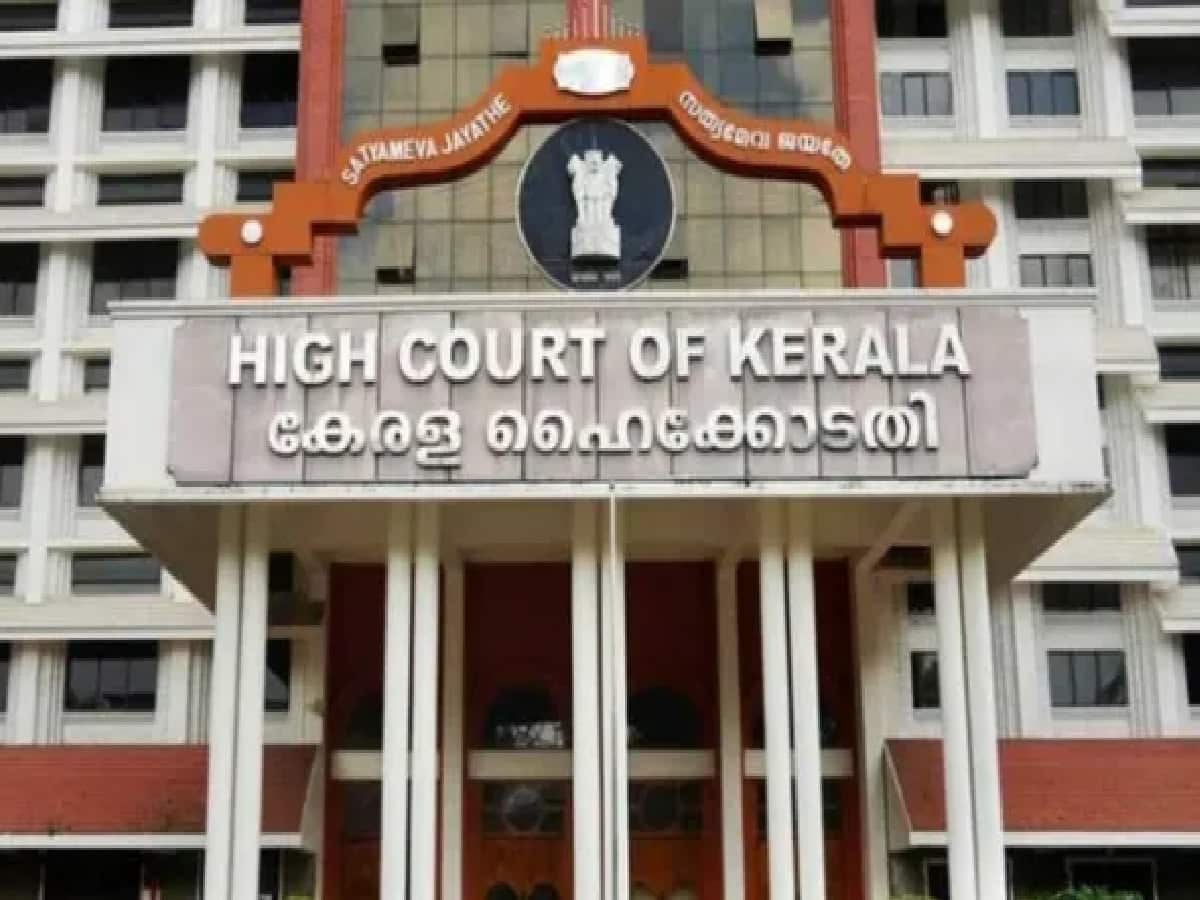
In a landmark ruling addressing the exorbitant cost of critical healthcare, the Kerala High Court has held that the Central Government possesses the legal authority under Section 100 of the Patents Act to intervene and manufacture or authorize the production of affordable generic versions of excessively priced patented drugs. Addressing a public interest matter stemming from a prolonged legal battle over the high cost of advanced cancer treatments, the bench emphasized that the state cannot remain a passive spectator when life-saving medications are priced beyond the reach of ordinary citizens.
The Legal Battle: High Cost of Cancer Care and Section 100 Powers
The crucial judicial observation arose from a petition originally filed in 2022 regarding life-saving therapeutics:
-
Exorbitant Pricing of Ribociclib: The litigation centered on the patented breast cancer drug ribociclib, which costs over ₹58,000 for a 21-day course and approaches nearly ₹7.9 lakh annually, alongside other expensive inhibitors like abemaciclib.
-
Tragic Legal Delay: The original petitioner, a cancer survivor, tragically passed away during the protracted proceedings after the case was listed numerous times without final resolution. Consequently, Justice Harishankar V. Menon's single bench converted the matter into a public interest initiative.
-
Rejecting Narrow Interpretations: The court firmly dismissed the narrow stance advanced by central authorities and pharmaceutical corporations that Section 100 restricts government intervention strictly to direct state consumption, ruling that subsections (4) and (6) empower third-party manufacturing on a non-commercial basis to serve public health needs.
Slashing Drug Prices: The Potential of Generic Alternatives
Advocacy groups, patients, and legal experts have long argued that invoking compulsory licensing or government use provisions can dramatically reduce patient financial burdens:
-
90 to 95 Percent Cost Reduction: Granting government licenses allows domestic generic manufacturers to produce life-saving formulations at a fraction of patent-protected market prices.
-
Challenging Prior Government Stances: While previous executive positions argued against such intervention on grounds that specific conditions like breast cancer did not constitute a national emergency, the court's interpretation broadens the scope of welfare state obligations.
-
Clinical Distinctions: The court also clarified clinical efficacy parameters, noting that patented cancer medications like ribociclib and palbociclib serve distinct therapeutic stages and cannot be treated as direct substitutes for one another.
A Stark Reminder: Three Decades of Unchanged Realities
In a poignant concluding remark, the High Court referenced the acclaimed Malayalam film Sukrutham, scripted by M.T. Vasudevan Nair, which detailed the profound financial and emotional struggles of families battling cancer. The bench lamented that despite three decades passing since the film's release, the crushing economic reality of affording advanced medical treatment for ordinary patients remains largely unchanged, reinforcing the urgent need for proactive government intervention.