72% of Migrant Workers in South India Report Improved Living Standards
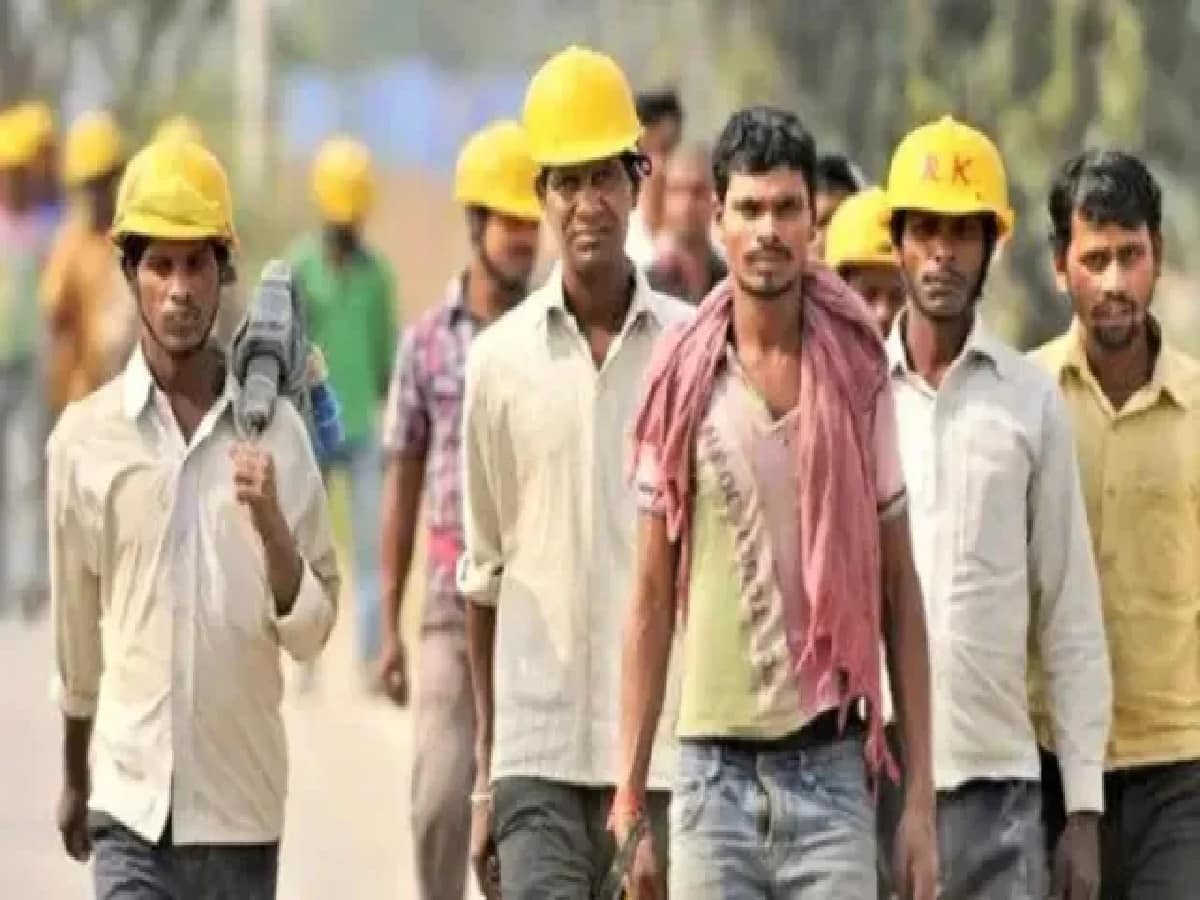
Seeking better livelihoods and escaping financial distress back home, nearly 72% of migrant workers employed across major southern states report that relocating has significantly enhanced their overall living conditions and quality of life. According to the South India Interstate Migration Survey (SIIMS) 2026—released by the International Institute for Migration and Development (IIMAD) in collaboration with the United Nations Population Fund (UNFPA) and the International Organization for Migration (IOM)—this positive sentiment drives over 57% of these workers to intend to remain in their current host states. However, despite these socio-economic gains, the study highlights severe vulnerabilities regarding legal job security, workplace contracts, and welfare access.
Root Causes of Migration: Livelihood Insecurity in Northern and Eastern States
The extensive multi-state study analyzed the lives, working conditions, and economic mobility of 1,824 migrant workers across Karnataka, Kerala, and Tamil Nadu:
-
Primary Push Factors: The survey revealed that extreme livelihood insecurity, chronic poverty, lack of local jobs, low wages, irregular employment, and heavy debt burdens in native home states compel workers to migrate southward.
-
Demographic Breakdown: More than 92% of surveyed workers originate from northern and eastern states. West Bengal accounts for the largest share at 26.2%, followed closely by Bihar (21.8%), Assam (17.1%), Odisha (12%), Uttar Pradesh (9.6%), and Jharkhand (5.6%).
-
Diverse Occupational Sectors: Migrants fuel critical sectors across the southern economy, including agriculture, fisheries, and daily wage labor, alongside hospitality in Kerala, garments and textiles in Tamil Nadu, and scrap collection in Karnataka.
Working Hours, Wage Realities, and Gender Disparities
While many find steady employment, stark inequalities persist in daily wages, contracting, and working hours:
-
Absence of Written Contracts: A staggering 86% of migrant workers operate without any written employment agreement or formal contract, leaving them legally vulnerable.
-
Direct Employment vs. Cash Wages: Over 77% are employed directly without middlemen, while approximately 58% still receive their wages in cash.
-
Working Hours and Average Income: The average working day stretches to 9.87 hours, with an average monthly income recorded at ₹17,640.
-
Gender Wage Gap: The study exposed notable wage inequality, revealing that female migrant workers earn an average of ₹3,313 less per month than their male counterparts for performing identical tasks.
-
Financial Inclusion Gaps: While formal banking services cover 88.2% of workers, about 26.8% in Karnataka and 31.3% among scrap collectors remain entirely outside the formal financial ambit.
Barriers to Welfare Schemes and Healthcare Access
Perhaps the most critical finding of the report centers on systemic hurdles in accessing social protection across state lines:
-
Deprivation of Welfare Benefits: Only 19% of migrant workers can easily access welfare scheme benefits when changing states. Roughly 35% receive partial benefits, while 45% are completely deprived.
-
Healthcare Exclusion: Overall, more than 73% face serious barriers to accessing state welfare benefits, and 69% encounter obstacles when seeking formal healthcare services.
-
Policy Recommendations: UNFPA India Representative Andrea M. Wojnar and fellow researchers emphasized the urgent need for structural reforms, including interstate portability of welfare benefits akin to the "One Nation, One Ration Card" initiative, multilingual worker helpdesks, and strengthened labor inspection frameworks.