







India Proposes Biennial SCO Civilizational Forum, Anti-Smuggling Push
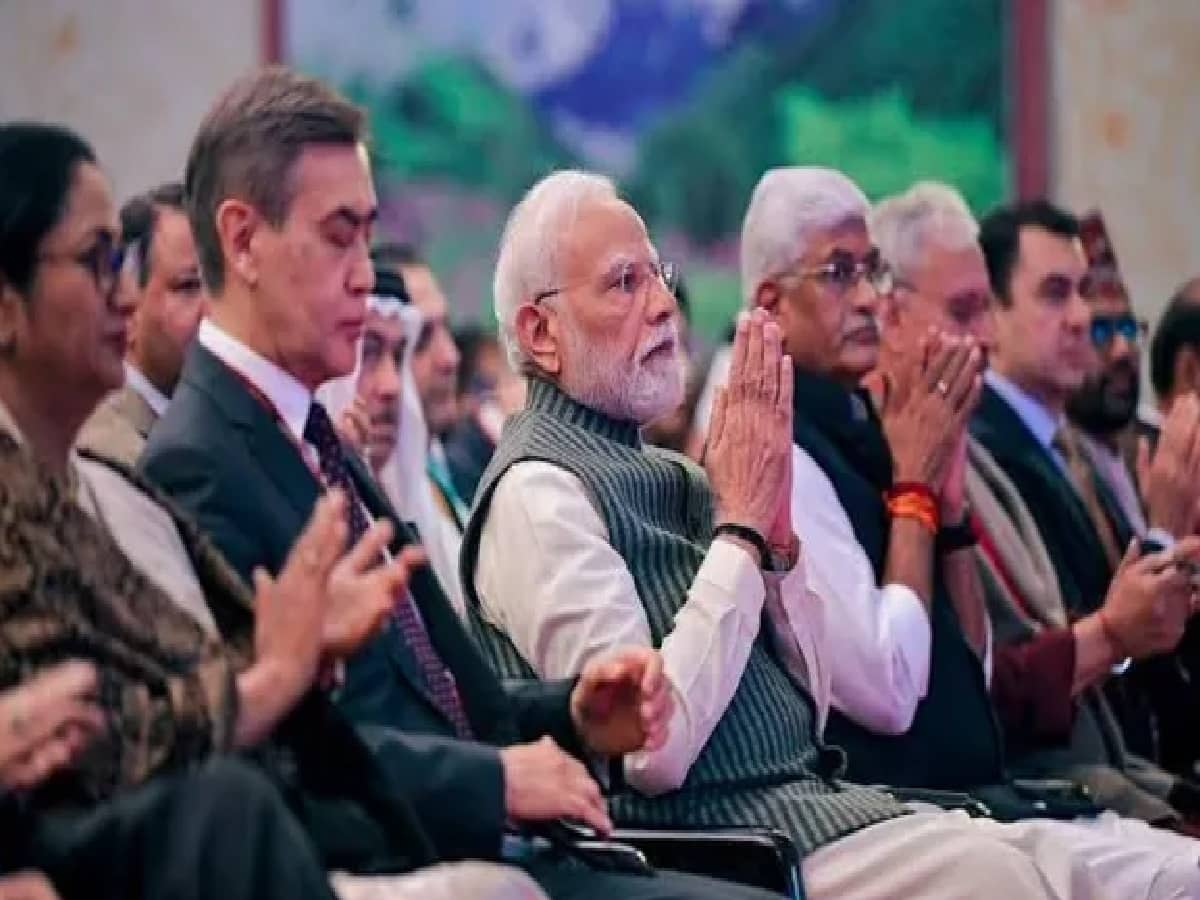
Seeking to turn cultural diplomacy into an enduring pillar of Eurasian cooperation, India has formally proposed convening the Shanghai Cooperation Organisation (SCO) Forum for Civilizational Dialogue once every two years, with future host venues decided jointly by SCO member states at their respective summits. Reported across diplomatic and policy desks on Tuesday, November 24, 2026, the proposal forms a centerpiece of the 12-point "Indraprastha Communiqué"—the landmark outcome document adopted on Sunday evening at the conclusion of the inaugural three-day SCO Civilizational Dialogue Forum held at historic Purana Qila in New Delhi from November 20 to 22, 2026. Inaugurated by Prime Minister Narendra Modi on Friday, November 20—following his original proposal at the 2025 SCO Summit in Tianjin, China and endorsement in the 2026 Bishkek Declaration—the New Delhi gathering brought together 116 delegates from 22 countries, including SCO Secretary-General Nurlan Yermekbayev, four ministers, ambassadors, scholars, and cultural representatives. Reading out the Indraprastha Communiqué at Sunday's closing session, Union Culture Secretary Vivek Aggarwal underscored that the document affirms equal respect for every civilization as an "equal voice," prioritizes the safeguarding of monuments, manuscripts, and living traditions against illegal smuggling and illicit trafficking as well as climate hazards, and backs the constructive use of artificial intelligence (AI) and joint UNESCO nominations. Clarifying the document's consensus nature, Aggarwal explained that rather than a legally binding treaty drafted after formal negotiations, the communiqué captures the collective outcome of the forum to chart a shared roadmap for future cultural engagement. Notably, the forum took place at a sensitive diplomatic juncture ahead of Pakistan hosting the next SCO Summit—and amid lingering India–Pakistan strains following the Pahalgam terror attack—with visiting Pakistani Federal Minister Musadik Malik remarking during the meet that Delhi represents an amalgam of civilizations and that culture can play a constructive role in fostering dialogue.
SCO Civilizational Dialogue Forum 2026: Indraprastha Communiqué & Key Proposals
To bring together the verified details of the inaugural SCO Civilizational Dialogue Forum in New Delhi, the core pillars of the 12-point Indraprastha Communiqué, and the diplomatic significance amid regional developments, the tables below summarize the outcome:
Overview of the 1st SCO Civilizational Dialogue Forum (Nov 20–22, 2026)
| Forum Attribute | Verified Details | Diplomatic & Cultural Significance |
| Event & Dates | 1st SCO Civilizational Dialogue Forum — Held November 20–22, 2026 (reported Nov 24, 2026) | First dedicated multilateral platform within the SCO focused exclusively on civilizational heritage and people-to-people ties. |
| Venue & Organizers | Purana Qila, New Delhi (with delegate visit to Red Fort Museum); organized by Union Ministry of Culture and Ministry of External Affairs (MEA), with IGNCA as Knowledge Partner. | Purana Qila—built atop the ancient archaeological site of Indraprastha—symbolized India's plural, continuous civilizational heritage. |
| Inauguration & Participation | Inaugurated by PM Narendra Modi on Nov 20, 2026; attended by 116 delegates from 22 countries, including SCO Secretary-General Nurlan Yermekbayev and Pakistan's Federal Minister Musadik Malik. | Reflected broad participation across SCO member states, observers, and dialogue partners. |
| Outcome Document | 12-Point 'Indraprastha Communiqué', read out on Sunday evening by Union Culture Secretary Vivek Aggarwal. | Serves as a collective directional blueprint rather than a negotiated treaty. |
Key Pillars Adopted in the 'Indraprastha Communiqué'
| Core Pillar | Specific Proposal / Commitment | Practical Impact Across SCO Nations |
| 1. Biennial Forum Every Two Years | India proposed holding the SCO Civilizational Dialogue Forum once every two years, with the host venue decided jointly by SCO member states at respective SCO Summits. | Institutionalizes regular cultural and scholarly dialogue across Eurasia beyond a one-off conference. |
| 2. Curbing Illegal Smuggling of Heritage | Strong emphasis on preventing illicit trafficking and smuggling of cultural artifacts, alongside protecting heritage sites from natural disasters and climate risks. | Strengthens cross-border intelligence and repatriation norms to stop looted antiquities from crossing Eurasian borders. |
| 3. Equal Voice for Every Civilization | Affirmed that every civilization deserves equal respect as an "equal voice," recognizing shared traditions in architecture, literature, music, textiles, and cuisine. | Counters civilizational hierarchy and builds mutual trust through cultural parity. |
| 4. Constructive AI, Digital Archives & UNESCO | Encouraged responsible use of Artificial Intelligence (AI) for heritage preservation and public access, creation of a digital repository, artist/youth exchanges, and joint UNESCO nominations. | Blends ancient heritage preservation—such as the ASTITVA exhibition and rare 18th-century illustrated Mahabharata scroll displayed at Purana Qila—with modern digital tools. |
Cultural Diplomacy Amid India–Pakistan Tensions Ahead of Next SCO Summit
The adoption of the Indraprastha Communiqué carries added diplomatic resonance because Pakistan is scheduled to host the next SCO Summit, at a time when bilateral ties between New Delhi and Islamabad remain strained following the Pahalgam terror attack. While no formal bilateral negotiations took place on the sidelines, the participation of Pakistan's delegation—and Minister Musadik Malik's observation on Friday that culture can serve as a bridge for dialogue—demonstrated how multilateral cultural platforms can keep channels of communication open even during tense periods.
Why Anti-Smuggling Cooperation Matters for Indian Heritage Hubs
For culturally rich regions across India—including New Delhi, Lucknow, Varanasi, Ayodhya, Patna, and Srinagar—the communiqué's focus on halting the illegal trafficking of antiquities and building shared digital heritage repositories reinforces ongoing domestic efforts to protect historic temples, manuscripts, and archaeological treasures while showcasing India's soft power across the SCO.




