FlyDubai Crisis: Aviation Experts Call for Stricter Screening of Foreign Airline Pilots
In the wake of the harrowing mid-air security crisis aboard a FlyDubai commercial flight, leading aviation experts and safety analysts on Friday called for an immediate overhaul of pilot evaluation systems and comprehensive background verification frameworks. Speaking on emerging operational vulnerabilities, industry specialists underscored that civil aviation authorities worldwide must transition beyond routine technical flight-hour logging to continuously appraise flight deck psychological readiness and ideological profiling, ensuring evolving insider threats are caught before airliners depart the tarmac.
Regulatory Jurisdiction: DGCA Limitations Over Foreign-Employed Flight Crews
Addressing the regulatory architecture, aviation legal expert Arvind Singhatia clarified that India's Directorate General of Civil Aviation (DGCA) possesses no statutory jurisdiction or direct enforcement authority over aviators employed by foreign carriers operating overseas, even if those pilots received foundational training in Indian academies or hold native citizenship. Under global civil aviation conventions governed by the International Civil Aviation Organization (ICAO), the exclusive legal responsibility for credential vetting, behavioral continuous monitoring, recurrent evaluations, and security compliance falls under the civil aviation authority of the sovereign nation where the operating airline is legally domiciled and registered.
Re-evaluating the 'Two-Person' Cockpit Protocol Against Internal Flight Deck Threats
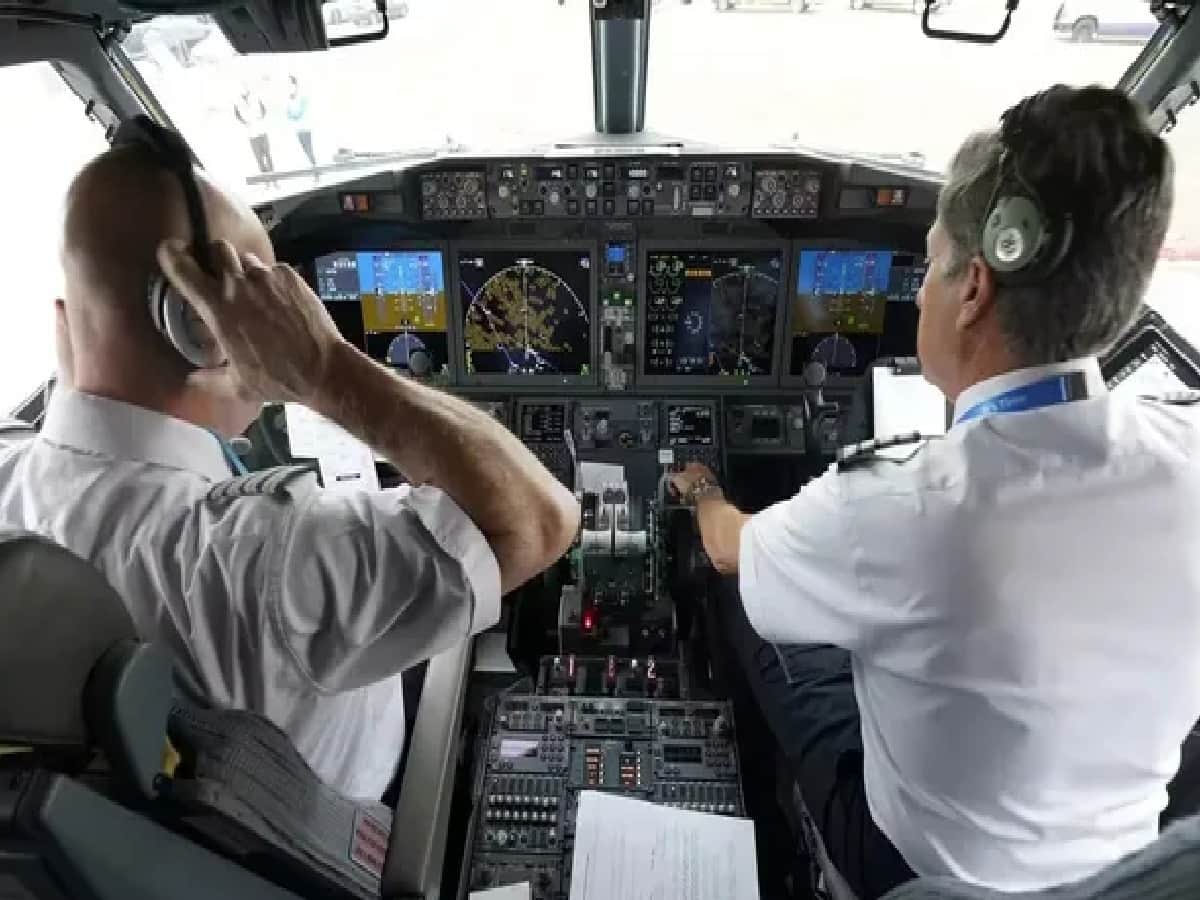
The harrowing incident has also prompted aviation strategists to challenge the adequacy of long-standing standard operating procedures designed around flight deck security. Under existing international protocols formulated in the aftermath of historic air disasters, civil airliners mandate that a minimum of two authorized crew members occupy the cockpit at all times, requiring a senior flight attendant to step into the flight deck whenever one pilot steps away for physiological breaks. Singhatia emphasized that while this measure was engineered to prevent pilot lockout or incapacitation, it provides little protection when an active, deliberate threat originates from within the cockpit itself, requiring global aviation bodies to urgently reassess defense protocols against insider attacks.
Building Cross-Border Intelligence Sharing and Psychological Profiling Frameworks
To close critical gaps between foreign carriers and source training nations, safety veterans recommend building synchronized multilateral intelligence-sharing databases and standardized psychological profiling audits. By establishing deeper interoperability between home-country background checks, regional security apparatuses, and foreign civil aviation registries, international carriers can eliminate jurisdictional blind spots that allow radicalized or unstable flight crew members to secure operational rosters on international commercial routes.